
Trump Announces “Operation Epic Fury” — U.S. and Israel Carry Out Major Combat Operations in Iran to Prevent Nuclear Breakout
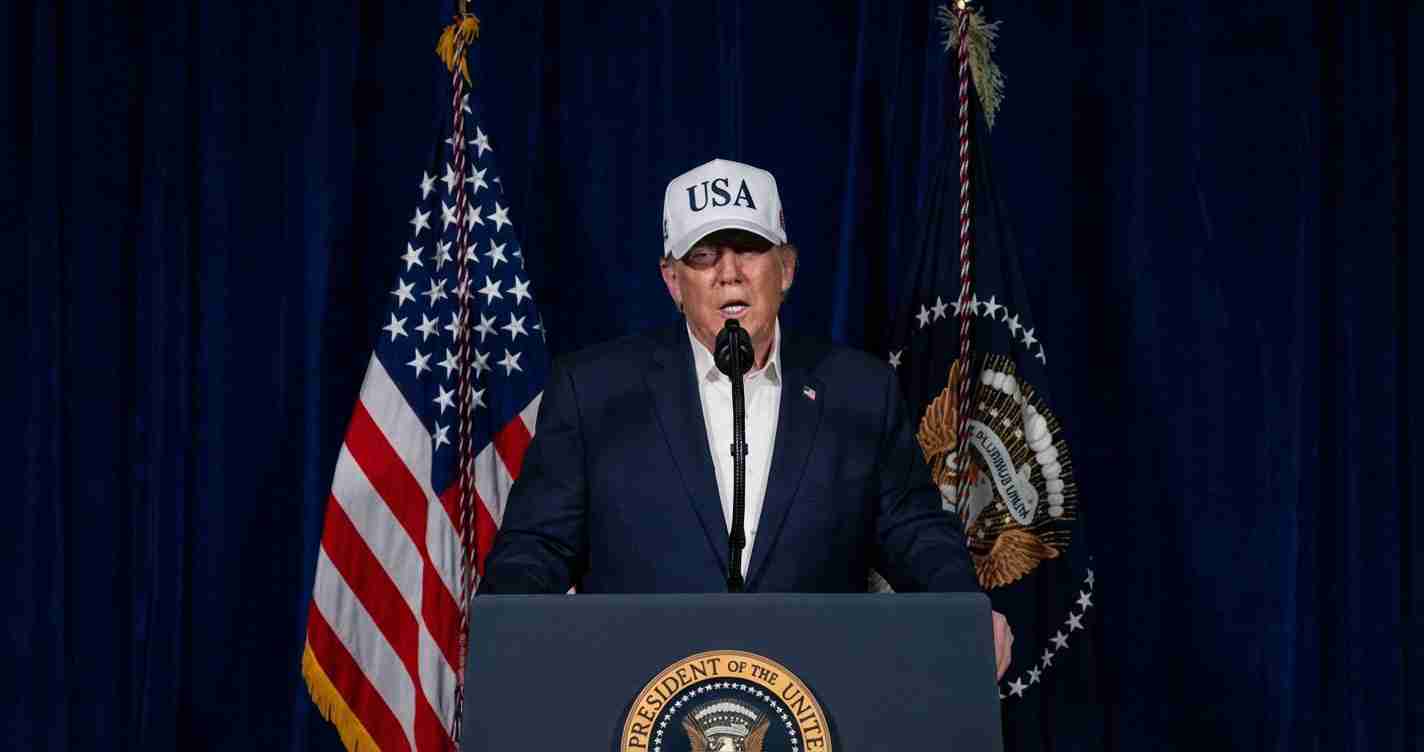
President Donald Trump announced on February 28, 2026, the start of “Operation Epic Fury,” saying the U.S., alongside Israel, has begun major combat operations in Iran to target its nuclear program, missile and naval capabilities, and proxy networks.
Key takeaways
- Operation Epic Fury: The president said the U.S. has begun major combat operations in Iran, posted in remarks on Truth Social; reporting from Politico, CBS News and Iran International.
- Primary targets: Strikes focus on Iran’s nuclear sites, missile infrastructure, naval forces and proxy networks intended to prevent a nuclear breakout (sources: Politico, Iran International).
- Coordinated actions: Israel is conducting parallel strikes, reportedly aimed at leadership targets, while Iran has launched missiles at Israel and at least two large U.S. bases (reporting: CBS News).
What the president said and why
In a video posted to Truth Social, Mr. Trump described Iran’s leaders as a “vicious group of very hard, terrible people” and invoked decades of attacks he called “mass terror,” including the 1983 Beirut Marine barracks bombing and assaults on U.S. forces in Iraq. He framed the operation as necessary to defend Americans by eliminating “imminent” threats and reiterated, “they can never have a nuclear weapon.” Sources: Politico, Iran International, CBS News.
Targets and scope of Operation Epic Fury
U.S. officials and the president’s public remarks identify several categories of targets:
- Nuclear-related sites: Facilities tied to Iran’s nuclear program and potential weaponization infrastructure (source: Politico).
- Missile systems: Production, storage and longer-range missile infrastructure Mr. Trump vowed to “destroy” and “raze… to the ground” (Politico, Iran International).
- Naval forces and ports: Moves intended to degrade Iran’s maritime capabilities — Mr. Trump said he would “annihilate their navy” (Politico).
- Proxy networks: Groups in the region that have attacked U.S. forces and allies (reporting: CBS News, Iran International).
Officials said initial strikes targeted sites seen as posing an imminent threat to American forces and allies. The campaign could be a sequence of limited strikes or extend into weeks of sustained operations depending on outcomes and Iranian responses. Iran has already launched missiles at Israel and at least two major U.S. bases, according to reporting (CBS News, Iran International).
Israel’s parallel campaign
Israel is conducting parallel strikes, reportedly aiming at Iran’s leadership and command networks. U.S. and Israeli officials say the campaigns are coordinated but have distinct targets and priorities: U.S. emphasis on military infrastructure and Israeli focus on leadership to degrade both operational capability and command-and-control. Reporting: CBS News.
How we got here: a short history
The path to Operation Epic Fury traces to long-running concerns over Iran’s nuclear ambitions and regional behavior:
- Longstanding worries about Iran’s nuclear program and missile development, with diplomacy failing to halt sensitive activities (source: Politico).
- An escalating U.S. military presence in the region — carrier strike groups and fighter deployments intended to deter aggression (source: Iran International).
- A diplomatic breakdown after talks produced offers deemed unacceptable by U.S. advisers, prompting alternative options (source: Iran International).
- Historical flashpoints shaping policy, including the 2020 killing of IRGC Quds Force commander Qassem Soleimani, which set precedent for direct U.S. action (source: Iran International).
Officials described a dual-track approach: pressure and negotiation backed by visible military force. When talks stalled, planners shifted to strikes aimed at immediate dangers to American lives and allies (Politico, Iran International).
Risks, casualties and legal questions
Mr. Trump acknowledged the risk of U.S. casualties, saying
“the lives of courageous American heroes may be lost”
while characterizing the action as necessary. The administration has not released comprehensive casualty figures. Legal and political questions remain about authorization of force, congressional notification and the long-term strategy to prevent wider war (reporting: Iran International, CBS News).
Military planners caution that outcomes are uncertain and operations could continue for weeks beyond initial strikes. Administration officials emphasized early targeting of “imminent” threats but warned against assuming a short timeline (Iran International).
Public messaging and appeals to Iranians
Mr. Trump appealed directly to Iranian military personnel and civilians, offering those who surrender immunity and urging citizens to “rise up.” The administration combines kinetic strikes with messaging intended to weaken Tehran’s control and encourage internal dissent (source: Iran International).
Sources and reporting
This article draws on official statements and reporting from multiple outlets:
Implications for United States
Economic impact: A wider Middle East conflict could push oil and gas prices higher, squeezing household budgets and adding inflationary pressure. Sustained defense spending would increase federal outlays amid calls for fiscal restraint.
Political consequences: Expect demands from Congress for briefings and possible votes on authorization of force. Lawmakers will face pressure to support troops while probing legal justification and long-term objectives.
Social effects: Families of service members face anxiety if deployments increase; U.S. casualties could shift public opinion and spur protests or heightened polarization.
Security and homeland defense: The operation aims to blunt Iran’s missile and naval threat to U.S. bases and allies. Citizens should expect elevated military activity at domestic bases and possible travel advisories for the region.
Practical daily impacts: Potential fuel price increases, travel advisories, supply-chain disruptions for businesses, and heightened local military activity may affect everyday life.
Legislative and electoral effects: Lawmakers will be judged on oversight and support for troops; the operation may influence voter views on national security in upcoming elections.
Legal and oversight demands: Calls for transparency, timely congressional briefings and a clear exit strategy will be central to building public support, especially among voters prioritizing constitutional checks on military action.
Ongoing coverage
This is an evolving story. Officials frame Operation Epic Fury as a targeted campaign to remove imminent threats and block a nuclear-armed Iran while Israel pursues parallel leadership-focused strikes. Reporting continues as officials and analysts assess scale, costs and consequences (sources: Politico, CBS News, Iran International).



