Silverwood in Hesperia named 2025 Masterplan Community of the Year as GM John Ohanian wins Industry Leader award
Hesperia, California (Times Media Service) — Silverwood, a 9,000‑acre master-planned community in Hesperia, California, won “Masterplan Community of the Year” at the 2025 SoCal MAME Awards; GM John Ohanian was honored as Industry Leader of the Year for community-driven design and planning.
Key takeaways
- Awards: Silverwood won Masterplan Community of the Year at the 2025 SoCal MAME Awards; General Manager John Ohanian was named Industry Leader of the Year.
- Scale: The project covers roughly 9,000–9,366 acres and is entitled for more than 15,000 homes, plus ~700,000 sq ft of commercial space and about 4,900 acres of open space.
- Product & pricing: Homes start in the $400,000s and include single-family, multigenerational plans, casitas, RV parking, 55+ products and executive lots.
- Amenities & investment: Plans call for 59 miles of off-street trails, 107 miles of paths and paseos, 387 acres of parks, and an infrastructure program estimated at $1.6 billion over 25 years.
Awards and industry recognition
At the 2025 SoCal MAME Awards Gala — a program run by the Greater Sales & Marketing Council and the Building Industry Association of Southern California — Silverwood was named Masterplan Community of the Year from nearly 300 entries recognizing innovation across the region’s homebuilding industry.
Silverwood’s general manager, John Ohanian, received the Industry Leader of the Year award. Ohanian said:
“It is an incredible honor to have Silverwood recognized by the building community in southern California. Bringing Silverwood to life has been the culminating project of my career, and now that we have residents moved in and living out the kindness culture on a daily basis, it is gratifying to see our intentions in action.”
Design, amenities and the “culture of kindness”
Developed and rebranded by DMB Development, Silverwood is intentionally designed to feel like a small California town rather than a conventional subdivision. Public-facing materials emphasize a “culture of kindness” embedded in association documents: homebuyers are offered a kindness pledge, and civic partners — schools, law enforcement, fire services, parks and faith groups — are invited into programming.
Physical amenities on the plan are substantial: roughly 59 miles of off-street trails plus 107 miles of on-street paths and paseos connecting neighborhoods to parks, village greens and trailheads. The community map shows 387 acres of parkland, pocket parks within a five-minute walk for many residents, amphitheaters, public squares for concerts and festivals, and secured sites for schools and commercial nodes.
Physical amenities and infrastructure
- Trails & paths: 59 miles off-street trails + 107 miles of paths and paseos.
- Parks: 387 acres of parkland, multiple village greens, pocket parks, amphitheaters and public squares.
- Public safety & services: The first fire station is already open; sites are secured for schools and commercial nodes.
- Infrastructure investment: Developer materials outline an infrastructure program expected to invest more than $1.6 billion over 25 years.
Housing mix, builders and pricing
Silverwood markets a broad array of home types with roughly 25 floor plans to create varied streetscapes: front-porch homes, multigenerational layouts, rear-yard casitas, RV/”toy” parking and larger executive lots. Builders already involved include regional and national firms; Lennar lists upcoming product and K. Hovnanian is marketing “Estates at Silverwood” plans up to ~2,900 sq ft.
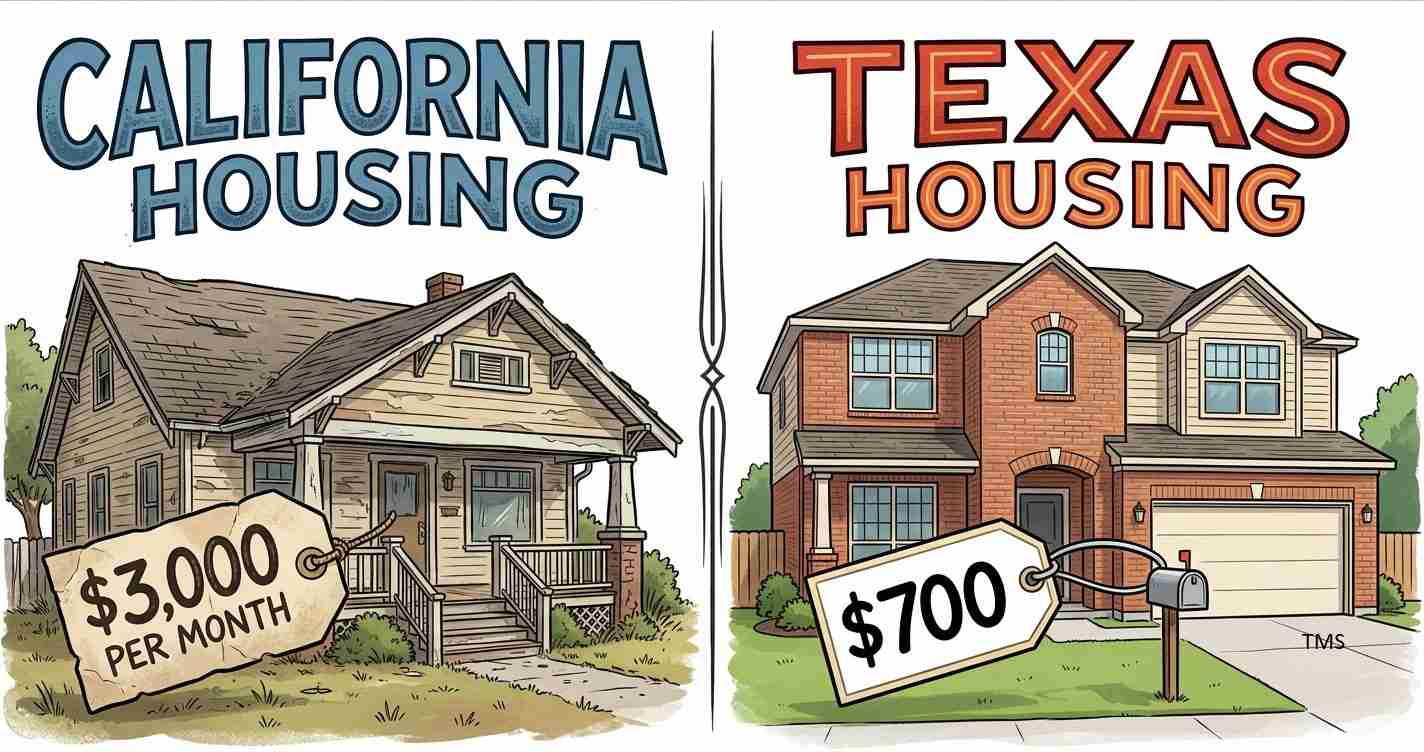
As of late 2024 visitors could tour 21 model homes from five builders, with a limited inventory of quick move-in homes. Many entry-level homes are positioned to start in the $400,000s, presented as a more affordable option for Southern California first-time buyers than coastal markets.
Development timeline, entitlements and public investment
Silverwood is envisioned as a long-term build-out over approximately 15–25 years, depending on phasing and market conditions. The project is entitled for more than 15,000 homes, ~700,000 sq ft of retail/commercial space and expansive open space on the order of 4,900 acres. The developer has stated an expectation to invest more than $1.6 billion over 25 years on infrastructure and public-service upgrades.
Location, terrain and accessibility
Silverwood sits near Summit Valley at roughly 3,200 feet elevation in the High Desert, adjacent to Silverwood Lake and within driving distance of the Pacific Crest Trail, Lake Arrowhead and Big Bear. Terrain features gently rolling hills, bluffs and Mojave River headlands with mountain views toward the Angeles and San Bernardino National Forests.
For prospective buyers the trade-offs are typical for exurban offerings: larger lots and lower prices compared with coastal areas, but longer commutes to employment centers in San Bernardino, Riverside and Ontario.
Economic impact and local services
Developers and proponents describe Silverwood as a potential anchor for High Desert growth, creating construction-phase jobs, permanent retail and service positions, and a larger local tax base as homes and commercial centers come online. The scale — tens of thousands of residents at full build-out — implies significant new demand for schools, public safety, roads and utilities.
Developer materials indicate reserved sites for five elementary schools, one middle school and one high school, and plans for retail centers anchored by grocery and essential services.
Questions and checks an investigative reader should consider
- Timing and market risk: Large master-planned projects assume steady financing and buyer demand across many years; phases may slow if conditions change.
- Infrastructure and public cost: How much of the stated $1.6 billion will be direct developer investment vs. public agency expenditures merits scrutiny.
- Water, traffic and environmental impacts: Growth in the High Desert raises questions about water supply, traffic impacts and habitat; review environmental studies and mitigation plans.
Implications for the United States
Economic: A multi‑billion-dollar project entitled for more than 15,000 homes will create construction and retail jobs and expand the local tax base. For the broader housing market, Silverwood is part of a continued trend toward large greenfield masterplans aiming to add supply at the metro edges.
Infrastructure & public finance: The project highlights a growing model where private development funds initial upgrades that enable private- and public-sector growth, but recurring costs for schools and services often fall to public agencies.
Social & community dynamics: The “culture of kindness” pledge is an unusual social experiment embedded in HOA documents; if sustained, it could be a model for community programming, but success depends on long-term civic engagement and leadership.
Housing affordability & trade-offs: Starting prices in the $400,000s illustrate the trade-off of lower purchase prices in exurban High Desert locations versus longer commutes and infrastructure needs.
Relevant sources and documentation
- Silverwood community site
- DMB Development portfolio
- Dwell feature on Silverwood and the kindness pledge
- Mesa Properties analysis of Silverwood
- Lennar Silverwood listings
- K. Hovnanian / Estates at Silverwood neighborhood page
- Project videos and developer presentations (video 1)
- Project videos and developer presentations (video 2)