
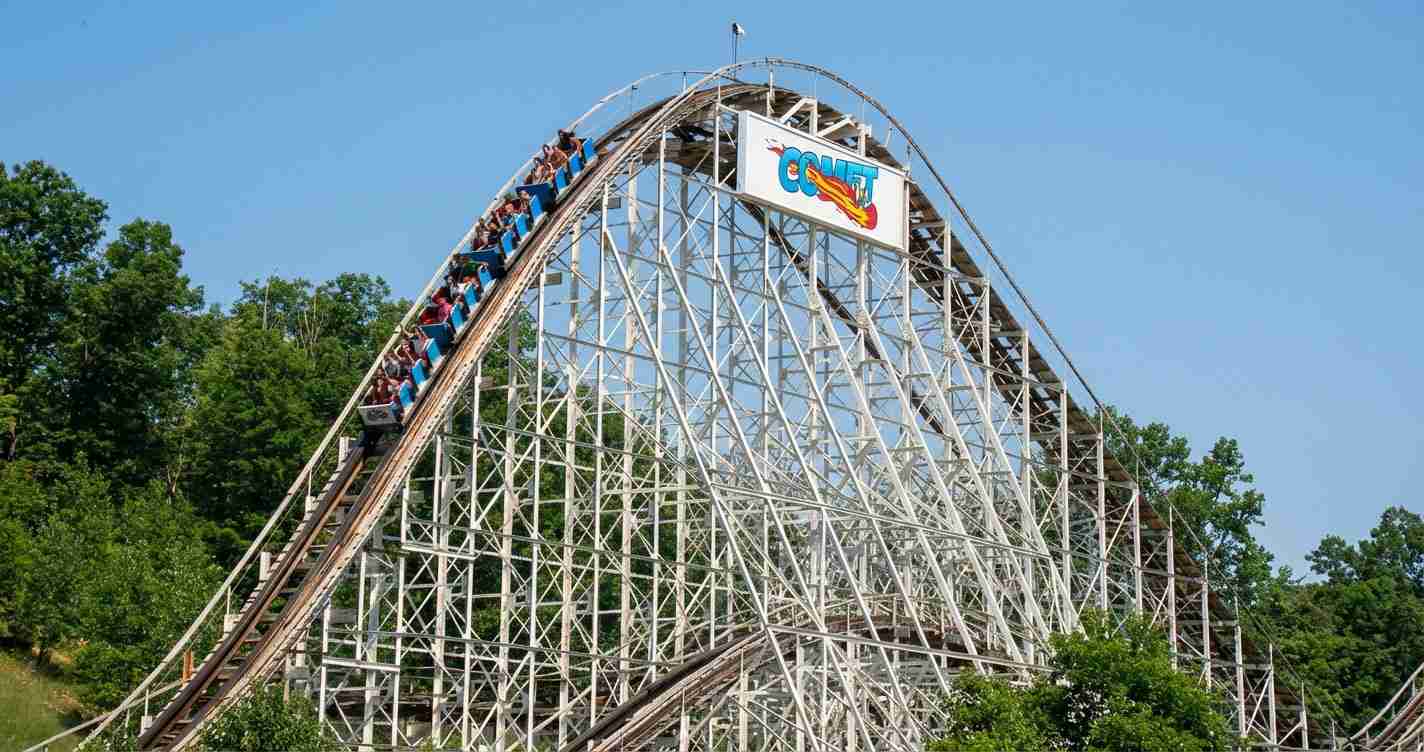
Six Flags parks sold in $331 million deal as EPR Properties expands attractions portfolio
On March 5, 2026, Six Flags announced it sold seven U.S. and Canadian parks to EPR Properties for approximately $331 million, a move intended to sharpen Six Flags’ portfolio and focus capital on higher-growth properties.
- Buyer: EPR (NYSE: EPR) — experiential net-lease REIT.
- Seller & price: Six Flags (NYSE: FUN) — approximately $331 million in cash (subject to adjustments).
- Parks sold: Valleyfair (MN); Worlds of Fun (KS); Michigan’s Adventure (MI); Schlitterbahn Waterpark Galveston (TX); Six Flags St. Louis (MO); Six Flags Great Escape (NY); Six Flags La Ronde (Montreal, QC).
- Guests & timing: ~4.5 million visitors in 2025; closing expected by end of Q1 or start of Q2 2026; 2026 season passes will be honored.
Deal overview
Transaction details: Six Flags Entertainment Corporation announced on March 5, 2026 that it entered agreements to divest seven amusement and water parks to EPR for approximately $331 million in cash (subject to adjustments). The companies expect the transaction to close by the end of Q1 or the start of Q2 2026, subject to customary closing conditions and regulatory approvals.
Parks and operators
The portfolio includes:
- Valleyfair — Shakopee, Minnesota
- Worlds of Fun — Kansas City area, Kansas
- Michigan’s Adventure — Michigan
- Schlitterbahn Waterpark Galveston — Galveston, Texas
- Six Flags St. Louis — Missouri
- Six Flags Great Escape — New York
- Six Flags La Ronde — Montreal, Quebec
EPR will lease the six U.S. parks to Enchanted Parks under a long-term master lease; La Ronde Operations, Inc. will operate the Montreal park. (See Business Wire; EPR release.)
Why Six Flags sold these parks
Company rationale: Six Flags framed the sale as a strategic move to concentrate capital, leadership and operational focus on properties with the strongest growth potential. CEO John Reilly said the divestiture will allow the company to “concentrate our capital, leadership and operational focus on the properties that we believe generate the strongest returns and offer the greatest long-term upside.”
John Reilly: “…concentrate our capital, leadership and operational focus on the properties that we believe generate the strongest returns and offer the greatest long-term upside.”
Six Flags expects net proceeds, after taxes and transaction costs, to be used to pay down debt and modestly improve leverage. The company will continue to operate roughly 34 parks across 23 North American locations for the 2026 season. (Business Wire.)
EPR’s strategy and deal specifics
EPR’s view: EPR described the acquisition as a strategic expansion of its attractions portfolio into established regional markets with “stable, long-term cash flows” and strong drive-to accessibility. CEO Gregory Silvers called the parks “high-quality experiential real estate assets.”
Gregory Silvers: “The portfolio fits our experiential real estate model.”
Financials: EPR said its total commitment is about $342 million, with roughly $315 million funded by EPR and the remainder coming from tenants for working capital and improvements. The properties are underwritten at about 2.0x coverage. The portfolio includes more than 1,600 acres and 418 attractions. (EPR release.)
Guests, season passes and operations
Both companies said parks will maintain regular operating schedules during the transition. All 2026 season passes will be honored, including multi-park privileges. EPR also obtained the right to use the Six Flags brand for those properties through 2026 and acquired certain non-Six Flags property names and related intellectual property.
Short-term continuity is emphasized; longer-term changes in branding or operations are possible as leases and operating agreements evolve. (See Business Wire; EPR release.)
Financial context and advisers
The seven parks drew about 4.5 million visitors in 2025 and generated roughly $260 million in net revenue and about $45 million in Adjusted EBITDA in 2025. Six Flags engaged Perella Weinberg Partners as financial adviser and Weil, Gotshal & Manges LLP for legal counsel. (Business Wire.)
Implications for communities and stakeholders
Local economies that rely on seasonal tourism — towns near Valleyfair, Worlds of Fun, Six Flags St. Louis, Michigan’s Adventure, Schlitterbahn Galveston and Great Escape — may see changes depending on EPR and Enchanted Parks’ operational and capital decisions. If investments rise, nearby hotels, restaurants and suppliers could benefit; if cost cuts follow, seasonal hiring and local contracts could shrink.
Fiscal impacts: For shareholders the deal signals a move to reduce leverage and concentrate resources on higher-return properties. For regulators and local officials, changes in operator strategy raise questions about jobs, pay, procurement and community partnerships.
Risk, oversight and transparency
Both companies included forward-looking statements and warned the transaction is subject to closing conditions and regulatory approvals. The releases note the deal could fail to close or face delays. At the time of the announcements, independent press coverage beyond the companies’ releases was limited.
Investigative questions raised
- Valuation & timing: Why $331 million for seven parks drawing 4.5 million visitors — a product of Six Flags’ near-term cash needs or EPR’s long-term valuation of land and cash flow?
- Operational shift: Will Enchanted Parks’ efficiency focus change guest experience or staffing levels?
- Community effects: How will changes in capital spending and hiring impact local economies and tax revenue?
Sources and documents
Primary documents and company releases:
- Business Wire — “Six Flags Further Streamlines Its Portfolio With Agreements to Divest Seven Parks” (March 5, 2026)
- EPR Investors — “EPR Properties Announces Definitive Agreements to Acquire Portfolio of Seven Regional Parks” (March 5, 2026)
Note: All original facts, figures and source URLs are preserved from the releases above.



