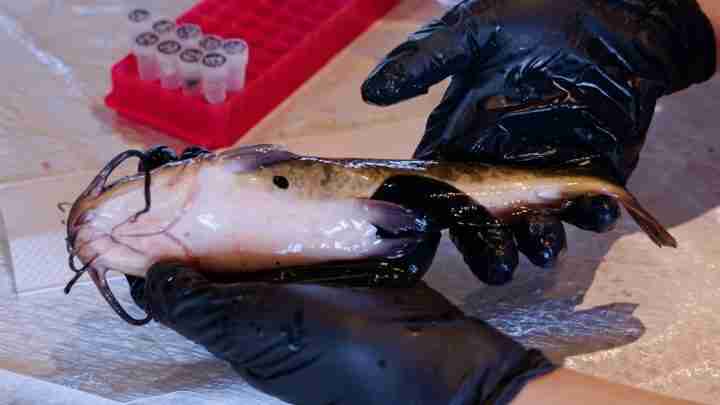
Pantry proteins may blunt cholera infection, UC Riverside study shows
A UC Riverside mouse study found diets high in casein and wheat gluten sharply reduced Vibrio cholerae gut colonization — up to 100-fold — suggesting a possible low-cost, non-antibiotic dietary approach pending human trials and safety testing.
- High-protein diets (casein, wheat gluten) cut cholera colonization dramatically in mice — as much as 100-fold.
- Mechanism: protein breakdown products appear to disable cholera’s type 6 secretion system (T6SS), protecting competing gut microbes.
- Preclinical only: results are from mice; human dosing, safety and effectiveness remain untested.
- Public health role: could be a low-cost supplement to water, sanitation, vaccines and standard clinical care if validated in people.
How the study was done
Researchers led by Ansel Hsiao at UC Riverside fed groups of mice diets emphasizing different macronutrients — high-protein, high-fat, high-carbohydrate and a balanced control — then exposed the animals to Vibrio cholerae to measure gut colonization. Detailed methods and summary results are available from the UC Riverside news release and a later summary on ScienceDaily.
What the researchers found
The strongest anti-cholera effect came from high-protein diets. Diets rich in casein (the main milk/cheese protein) and wheat gluten nearly eliminated bacterial growth in the mouse gut. Hsiao’s team reported differences as large as 100-fold in colonization when comparing high-protein with balanced, high-fat or high-carbohydrate diets.
High-fat diets provided minimal protection and high-carbohydrate diets only limited benefit. Because the effect operates by strengthening competition from the native gut microbiome rather than killing the pathogen directly, researchers emphasize it may not drive antibiotic resistance the way drugs can.
Mechanism: jamming cholera’s microscopic syringe
Vibrio cholerae employs a microscopic apparatus called the type 6 secretion system (T6SS) to inject toxins into competing gut microbes and clear ecological space. The study found that breakdown products of casein and wheat gluten — specific amino acids — interfere with the bacterium’s protein machinery and effectively “jam” the T6SS. With that weapon disabled, cholera cannot as readily kill beneficial microbes that normally suppress it.
“The high-protein diet had one of the strongest anti-cholera effects compared to a balanced diet. And not all proteins are the same. Casein and wheat gluten were the two clear winners,” — Ansel Hsiao, associate professor, UC Riverside (quoted in the UC Riverside release).
Limitations and next steps
Key limitation: the experiments were conducted in mice. Mouse and human gut biology differ, and effective doses in people are unknown. The authors and coverage note that controlled human studies are required to test safety, dosage and real-world impact, particularly in cholera-endemic settings.
Researchers recommend continued emphasis on primary public health measures — clean water, sanitation, hygiene, prompt rehydration therapy and vaccination where available — while exploring dietary strategies as potential adjuncts. The Centers for Disease Control and Prevention — Cholera remains the primary public resource on transmission and recommended responses.
Implications for the United States
Economic: If human trials confirm benefit, a protein-based dietary approach could be a low-cost supplement for emergency stockpiles, disaster relief rations and community support after infrastructure failures.
Political & social: A non-drug, food-based intervention may attract bipartisan interest because it is potentially affordable and scalable. Public messaging would need to stress that increased dietary protein is not a replacement for clean water, vaccines or medical treatment, and that special populations (people with celiac disease, milk allergy) require alternatives.
Practical next steps: public health planners should monitor upcoming human trials, consider pilot evaluations in controlled settings, and avoid premature dietary recommendations until clinical data define safe, effective regimens.