
DC juvenile curfew ends as spring break looms, reigniting debate over how to stop “teen takeovers”
Washington, D.C.’s emergency juvenile curfew expired April 15, 2026, removing MPD authority to declare special “teen takeover” zones and reopening debate among officials, police and advocates over how best to curb disruptive youth gatherings ahead of spring break.
- The Juvenile Curfew Second Temporary Amendment Act of 2025 expired April 15, 2026, removing the MPD chief’s power to declare temporary juvenile curfew zones — see Fox News: DC curfew ends, teen takeover fears as clock ticks.
- A separate citywide curfew banning gatherings from 11 p.m. to 6 a.m. remains in effect, according to reporting — see Fox News.
- Advocates and critics argue curfews can unfairly target Black working‑class youth in Wards 7 and 8 and urge regional cooperation and youth programs over policing — see WTOP reporting and Local21News.
- Enforcement record: MPD recorded about 280 juvenile curfew violations over two years with reporting of zero arrests tied directly to those violations — see WJLA I‑Team.
What happened and why the law was passed
City lawmakers enacted the temporary juvenile curfew after repeated large, social‑media‑driven gatherings—widely described as “teen takeovers”—that resulted in fights, property damage and public disorder across waterfront and entertainment districts. Supporters said the emergency law gave police a narrowly tailored tool to shut down planned gatherings that could turn violent.
The law empowered the MPD chief to declare juvenile curfew zones banning anyone under 18 from specified high‑volume areas between 8 p.m. and 6 a.m. Supporters argued this targeted window addressed the late‑night hours when disorder was most likely to occur.
Recent incidents in Navy Yard and Waterfront
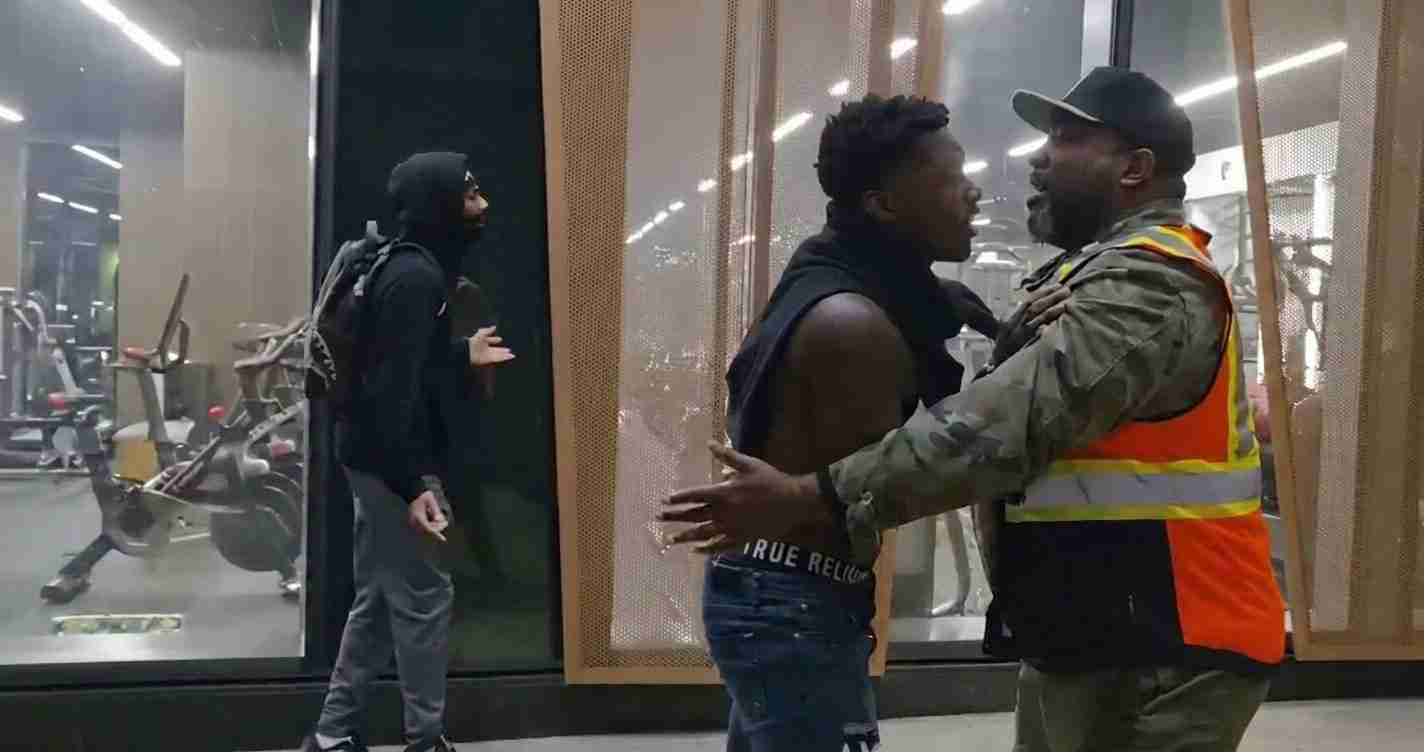
Despite the temporary authority, large gatherings persisted. Over a recent weekend in the final days of the juvenile curfew, hundreds of teens swarmed streets in the Navy Yard and Southwest Waterfront. Video shared by activist Elissa De Souza showed dozens crowding a busy intersection after curfew began; she wrote that a pleasant night became a repeat pattern of late‑night disorder that discourages residents from using restaurants and new businesses.
Officials reported brief disorderly conduct Saturday night but said no arrests were made inside the juvenile curfew zone; Metro Transit Police arrested four individuals at the Waterfront Metro Station outside the zone. Earlier in April, MPD arrested eight teenagers, ages 12 to 17, in Southwest Waterfront for fights between 8:30 p.m. and 10 p.m.; five were accused of assaulting an officer. A separate incident involved a teen arrested for brandishing a knife roughly an hour before a curfew took effect in a newly designated zone.
Enforcement record and penalties
MPD enforcement over the past two years logged about 280 juvenile curfew violations, yet reporting shows zero arrests tied directly to those violations. Typical MPD responses included contacting parents or guardians to retrieve youth, assigning community service hours and, in some cases, fining parents up to $500.
Interim Police Chief Jeffery Carroll emphasized visible police presence to disperse crowds and said the law provided legal authority when officers had intelligence on planned gatherings. Supporters maintained the framework allowed proactive action; critics questioned overall effectiveness.
Political response and the council vote
Councilmember Brooke Pinto sought emergency legislation to extend the juvenile curfew through Sept. 25, 2026, arguing that the tool is critical when police have intel about planned takeovers. Mayor Muriel Bowser backed an extension, calling it “a tool” that has been effective while noting it is not the sole response.
Pinto’s emergency authority lapsed pending a council vote that had been scheduled for April 21. The expiration of the temporary law reopened debate among councilmembers about oversight, sunset clauses and alternate investments in youth services.
Civil-rights concerns and community alternatives
Opponents argue juvenile curfews risk uneven application and the criminalization of Black youth. The Pan‑African Community Action (PACA) criticized the curfew as targeting Black working‑class youth in Wards 7 and 8 and said it fails to address the deeper conditions harming communities.
Advocates note that many teens travel from Maryland and Virginia to D.C. gathering sites, a cross‑jurisdictional dynamic curfews alone cannot resolve. They recommend expanded summer jobs, supervised youth programming and regional coordination among neighboring governments and transit agencies to offer safe alternatives.
Nationwide trend and context
Washington’s experience mirrors a broader U.S. trend: social‑media‑driven teen takeovers have occurred in cities large and small, prompting debates over how to balance enforcement with outreach. Officials in places from Chicago to smaller municipalities are weighing temporary enforcement tools against investments that reduce boredom and supervision gaps.
Implications for United States of America
Economic impact
Uncontrolled late‑night gatherings can harm small businesses in entertainment districts by discouraging diners and shoppers, potentially reducing revenue for new proprietors. Leaders must weigh short‑term public‑safety steps against long‑term economic costs to neighborhoods that rely on nightlife and tourism.
Political consequences
The debate sits at the intersection of public safety and civil liberties. Some voters may support a limited, targeted tool with oversight and sunset clauses; others press elected officials to avoid policies that appear punitive or racially biased. Decisions about extending curfews or investing in programs could influence voter sentiment and policy elsewhere.
Social effects
The policy gap left by the curfew’s expiration coincides with spring break, raising the risk of repeat late‑night events. Communities and parents want both public order and constructive alternatives for teens—supervised programs, community centers and coordinated regional responses could help reduce unsanctioned gatherings.
Cultural relevance
The viral nature of takeovers complicates enforcement: many teens treat gatherings as social‑media events. Effective responses require understanding youth culture and working with influencers, schools and transit agencies to redirect activity rather than relying solely on police action.
Practical applications for other cities
Cities facing similar challenges might consider a blend of strategies:
- Temporary, narrowly tailored curfew authorities with clear oversight and sunset clauses.
- Increased coordination with neighboring jurisdictions and transit police.
- Public campaigns discouraging travel for unsanctioned events and scaled investments in youth programming during spring break and summer.
- Transparent enforcement data and reporting to evaluate effectiveness and community impact.
Sources and further reading
- Fox News: DC curfew ends, teen takeover fears as clock ticks —
- WTOP: Advocates question effectiveness of D.C.’s teen curfews
- Local21News: Teen takeovers spark chaos in U.S. cities
- WJLA I‑Team reporting on curfew violations
- Video of a related incident (YouTube)
Reporting compiled from the sources above.



