From Reality TV to the Ballot: Spencer Pratt’s Rise Shakes Up 2026 LA Mayoral Race
Spencer Pratt, known from MTV’s “The Hills,” has surged into the top tier of the 2026 Los Angeles mayoral race with a tough-on-crime, populist platform and a high-profile Donald Trump endorsement that has nationalized an already contentious contest.
- Celebrity-turned-candidate: Spencer Pratt has moved from reality TV notoriety into serious electoral contention.
- Nationalized local race: A public endorsement from Donald Trump has amplified attention and polarized responses.
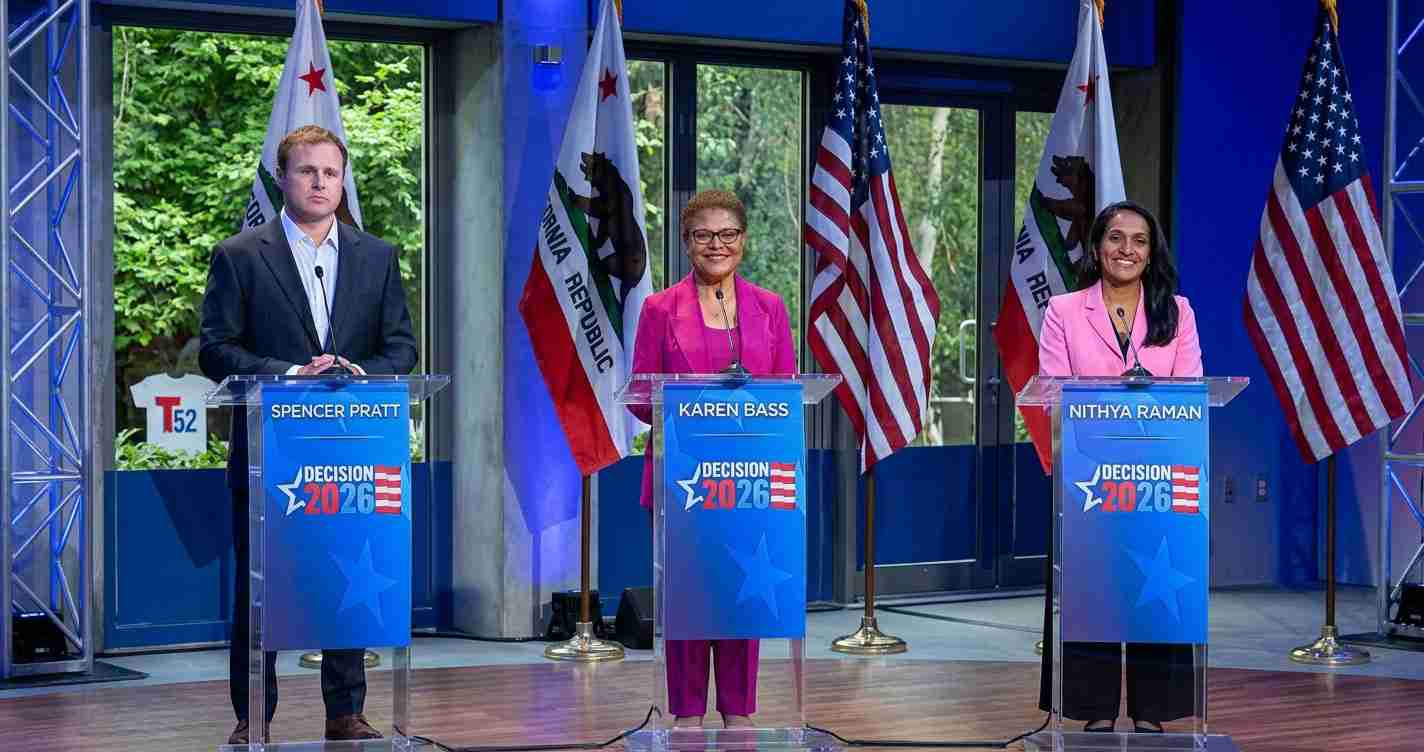
- Tight polling: Recent polling shows a three-way contest with Mayor Karen Bass, Nithya Raman and Pratt nearly even, giving Pratt a plausible path to the June runoff.
Who Spencer Pratt is and how he entered the race
Spencer William Pratt first rose to public attention on MTV’s The Hills and has remained visible through reality shows and social media. For background, see Spencer Pratt biography.
Pratt says losing his Palisades home in a fire was a turning point that pushed him toward politics; he frames his candidacy as an outsider mission to fix public safety and homelessness after what he describes as failed leadership in City Hall. Reporting on his rise and motivations is detailed in the Los Angeles Times profile.
Party alignment and the Trump endorsement
Registration: Pratt is a registered Republican but is running in Los Angeles’ officially nonpartisan mayoral contest.
Endorsement effect: Public backing from Donald Trump has nationalized the local race and sharpened debate about whether a Trump-aligned candidate can win in a heavily Democratic city.
Platform and policy themes
Pratt’s campaign centers on:
- Public safety and crime: A pronounced law-and-order emphasis and promises of tougher enforcement.
- Homelessness enforcement: More aggressive clearing of encampments and stricter rules aimed at street-level visibility.
- Anti-elite populism: Messaging that pits ordinary Angelenos against a Hollywood and political establishment he says is insulated from everyday problems. See his campaign website.
Analysts note: while these themes resonate with voters frustrated by visible homelessness and public-safety incidents, they echo conservative talking points and face steep headwinds in a city that has trended Democratic for decades.
Polling and race dynamics
Recent polling shows a close three-way race. A Los Angeles Times poll put Mayor Karen Bass at 26 percent, Councilmember Nithya Raman at 25 percent and Pratt at 22 percent — a narrow spread that gives Pratt a real shot at finishing in the top two in the June primary.
Campaign finance reporting indicates Pratt has raised significant funds and outpaced some rivals, which has allowed ad buys and field operations that make him more than a novelty candidacy.
Celebrity clashes and public sparring
Pratt’s bid has ignited public conflicts with entertainers who argue a reality star should not lead a major city. Notable exchanges include:
- Hannah Einbinder: At a recent event Einbinder criticized wealthy Angelenos and warned against Pratt — a rebuke Pratt reposted and attacked her as “insulated from the horrors on our streets.”
- Lisa Rinna and Chelsea Handler: Rinna said the next mayor shouldn’t be a “reality star”; Pratt responded with viral videos and counterattacks that broadened the dispute.
Those exchanges have hardened the race’s culture-war edges, with supporters seeing Pratt as a challenger to a coastal elite and critics citing his combative style, lack of government experience and Trump alignment.
Campaign branding and media strategy
Pratt’s team fuses his reality-TV persona with digital-first tactics: short viral videos, reposts of critics on X and Instagram, and an emphasis on shareable moments. The campaign’s tagline frames the effort as “not a campaign. It’s a mission,” per campaign materials.
Effect: This approach energizes a base and keeps Pratt in national headlines, while inviting heightened scrutiny tied to the Trump endorsement and viral controversies.
Implications for the United States
Economic impact
Investors and developers are watching closely. A Pratt administration prioritizing encampment sweeps and stricter enforcement could reallocate city spending toward policing and cleanups, affect contracts for housing and services, and invite legal challenges that raise costs.
Political consequences
A strong showing by a Trump-endorsed celebrity in Los Angeles would demonstrate how national figures can reshape municipal races, potentially encouraging similar outsider bids in other large, Democratic cities. See national coverage in Good Morning America.
Social effects
The campaign has intensified debate over homelessness, policing and public safety. Pratt’s law-and-order pitch may attract voters who feel unsafe, while risking deeper polarization with advocates favoring housing-first and mental-health approaches.
Cultural relevance
Los Angeles’ global media profile means a reality-TV star backed by Trump running for mayor is symbolically potent — celebrity clashes and endorsements amplify the race beyond local voters into national culture-war conversations.
Practical applications for voters and officials
Voters should note the top-two primary format: concentrated turnout by any base can propel a candidate to the runoff. Officials and civic groups may respond by emphasizing early voter contact, targeted messaging and rapid response to viral moments.