Chevron Refinery Fire in El Segundo Threatens California’s Fragile Fuel Supply and Could Raise Prices Across the U.S. West
A major fire and explosion at Chevron’s El Segundo refinery on October 3, 2025, briefly engulfed the West Coast’s largest refinery, raising immediate concerns about gasoline, jet fuel and CO2 supplies and potential price increases across California.
- Large-scale outage risk: The El Segundo plant processes about 276,000–290,000 barrels per day, supplying roughly 20% of California’s gasoline and 40% of its jet fuel.
- Price pressure: Short-term estimates point to a 5–15 cent per gallon bump in California gas prices; modeling suggests ~13 cents per week for each week offline.
- Secondary supply impacts: A 600-tonne-per-day CO2 plant at the site is offline, threatening CO2-dependent food and industrial processes.
What happened at the refinery
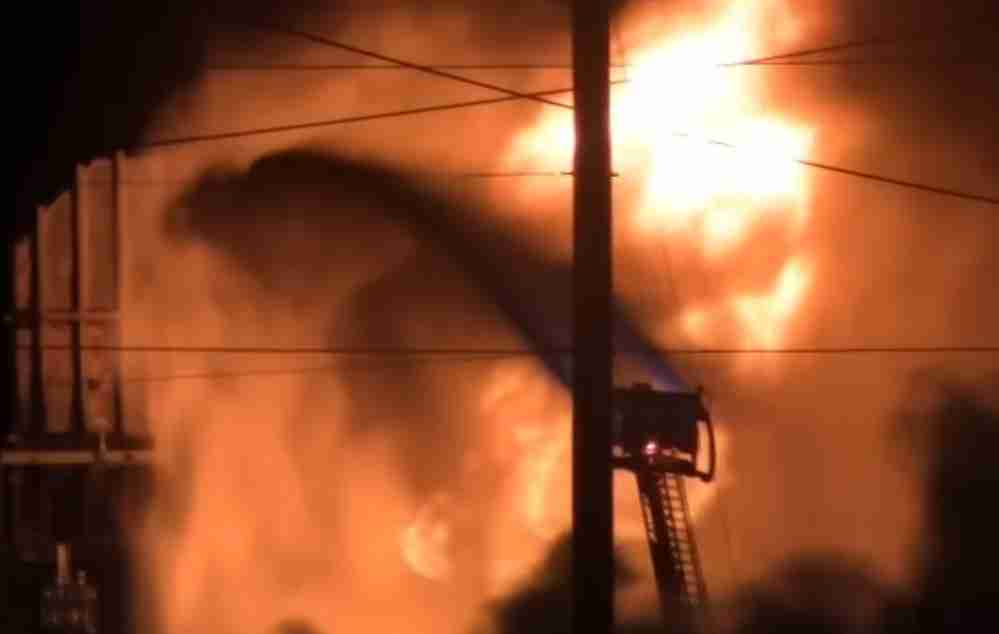
On Oct. 3, 2025, an explosion at the southeast corner of Chevron’s El Segundo refinery sparked a large fire. Fire crews worked through the night; Chevron and local officials said the blaze was fully extinguished the next morning with no reported injuries.
(See CBS News — How the Chevron refinery fire in El Segundo could affect California gas prices, ABC30 — Chevron refinery fire in El Segundo raises concerns about gas prices, ABC7 — How will El Segundo Chevron refinery explosion, fire impact California gas prices?).
“Authorities reported no injuries and no immediate threat to the public.”
Extent of damage and immediate effects
Officials described the damage as focused mainly on the jet-fuel side of the plant, but even limited damage can have outsized effects given the site’s large market share. Industry sources note that outages at facilities of this size can ripple through distribution networks rapidly, affecting inventories and shipments across the West Coast.
Why this matters for fuel prices and supply
The El Segundo refinery is a linchpin for West Coast fuel supply — refining roughly 276,000–290,000 barrels per day and producing about 20% of California’s gasoline and 40% of its jet fuel. Traders and analysts warned of an immediate market response that could add 5–15 cents per gallon to pump prices in California.
Academic modeling from USC (Prof. Shon Hiatt) suggests roughly 13 cents per week for every week the plant remains offline, a figure that compounds quickly and becomes meaningful for households and businesses.
(See ABC30 and CBS News coverage.)
Economic and logistical risks
California’s refining capacity has been shrinking; three other refineries are slated to close within months, reducing spare capacity and the state’s ability to absorb shocks. If El Segundo or multiple facilities stay offline, the state may need to import refined products by ship or pipeline from distant suppliers, potentially from Asia — a move that adds transport cost and lead time.
A separate but related concern: the site hosts a 600-tonne-per-day CO2 plant that was taken offline by the fire. That outage could affect food processors and industries that rely on CO2 supplies. (See Gasworld — Fire at Chevron’s El Segundo refinery could impact California CO2 supply.)
Expert perspectives
AAA and academics stressed the incident’s seriousness: the refinery plays a “very significant role in the region’s fuel supply”. Some analysts caution that initial market moves may be modest if inventories and alternate supply sources hold, but California’s shrinking refining base leaves less room for error.
What regulators and Chevron have said
Chevron and local authorities reported the fire was contained and extinguished by the next morning; they confirmed no injuries and no immediate threat to the public. Chevron has begun damage assessments and initial repairs, while regulators monitor inventory, repair timelines, and the ability of other refineries to raise output.
Implications for the United States
Economic impact
A prolonged outage could raise gasoline and jet fuel prices across California and the West Coast, increasing costs for consumers, trucking, shipping, and goods. Estimates indicate a likely immediate 5–15 cent increase per gallon and a steady weekly rise if outages persist.
Political, social and cultural effects
Politically, the incident raises energy security questions in a state with shrinking refining capacity and may prompt debate over strategic reserves, permitting, or incentives for domestic refining resilience. Socially, higher fuel costs disproportionately affect lower-income households and could disrupt travel if jet-fuel constraints persist.
Practical applications for residents and businesses
- Consumers: Prepare for potential short-term pump spikes; practice fuel-efficient driving and consolidate trips.
- Airlines & shippers: Monitor supply notices and secure alternative contracts if needed.
- Businesses relying on CO2: Review inventory and contingency measures for food processing and industrial uses.
- Policymakers: Track repair timelines, inventories, and evaluate measures to bolster supply resilience.
Sources and further reading
- CBS News — How the Chevron refinery fire in El Segundo could affect California gas prices
- ABC30 — Chevron refinery fire in El Segundo raises concerns about gas prices
- ABC7 — How will El Segundo Chevron refinery explosion, fire impact California gas prices?
- Kherkher Garcia — Chevron refinery fire dangers and refinery explosions
- Gasworld — Fire at Chevron’s El Segundo refinery could impact California CO2 supply
- YouTube video coverage referenced by analysts
Reporting compiled from Times Media Service sources and local coverage.