FORREST BEACH, AUSTRALIA, July 12 (World Daily Times) — Six metallic-looking objects found on Forrest Beach in northern Queensland are now being treated by Australian authorities as space debris, but officials say the exact rocket they came from has not yet been confirmed.
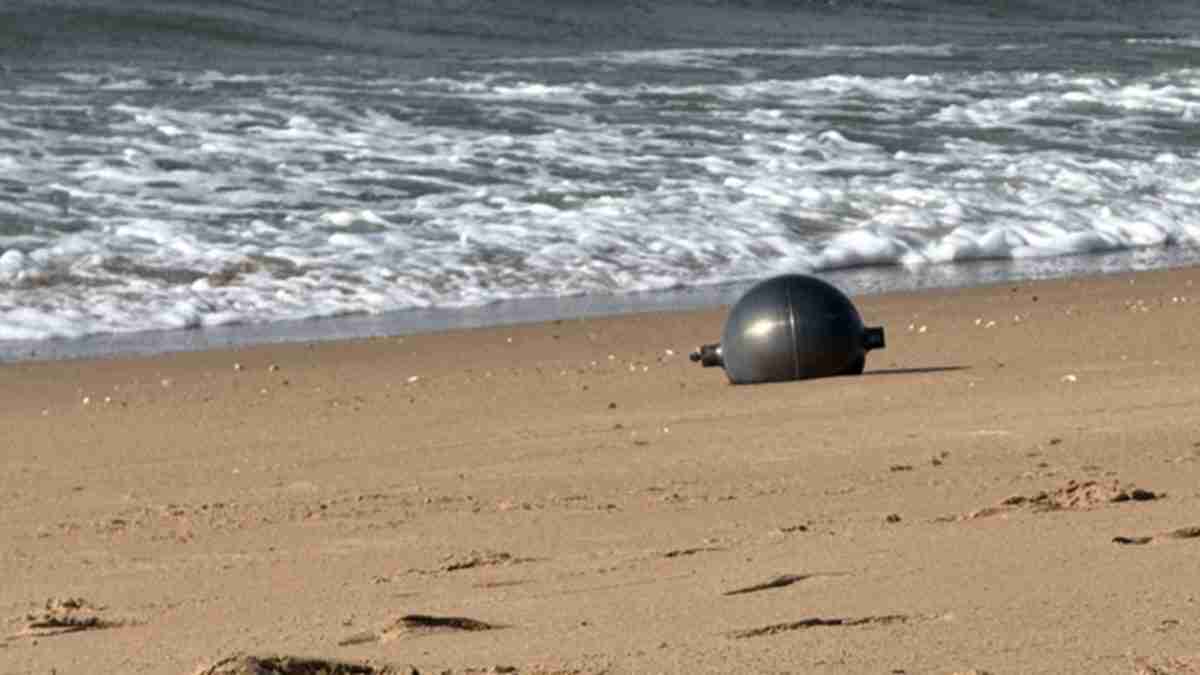
The Australian Space Agency said the recovered objects appear to be pressure vessels from a space launch vehicle. The agency also said their location and physical features are consistent with debris from a foreign rocket body that recently re-entered the atmosphere from orbit.
What was found?
Queensland officials said six solid objects were discovered on the beach, north of Townsville. State fire and emergency authorities first treated the items as potentially hazardous and set up a 50-meter exclusion zone while they were examined.
What is a pressure vessel?
In spaceflight, a pressure vessel is a sealed container built to hold gas or other material under pressure. On a rocket, these parts can be used in the vehicle’s systems. If one survives re-entry, it can land on Earth looking like a smooth metal sphere.
How sure are officials about the source?
Officials are not saying the case is fully solved. The Space Agency said the objects appear to be pressure vessels and are consistent with foreign rocket debris, but it has not publicly named the launch vehicle or the country that launched it in the supplied sources. The agency said it was working with international authorities to confirm where the debris came from.
Why did authorities warn people away?
Queensland fire officials and the Space Agency told the public not to touch suspicious objects, to move away, and to contact emergency services if more debris washed up. That caution reflects the possibility that unknown debris could still be dangerous until experts have checked it.
What happened next?
Later, the Space Agency said the recovered objects were safe after analysis, but it warned that more debris may still wash ashore. Officials continued to tell residents and beachgoers to report any similar spheres right away instead of handling them.
Why does this matter?
The case is a reminder that space junk can survive re-entry and land far from where it was launched. Even when the final answer turns out to be harmless debris, local authorities still have to secure the area first and confirm what the objects are before the public gets close.