
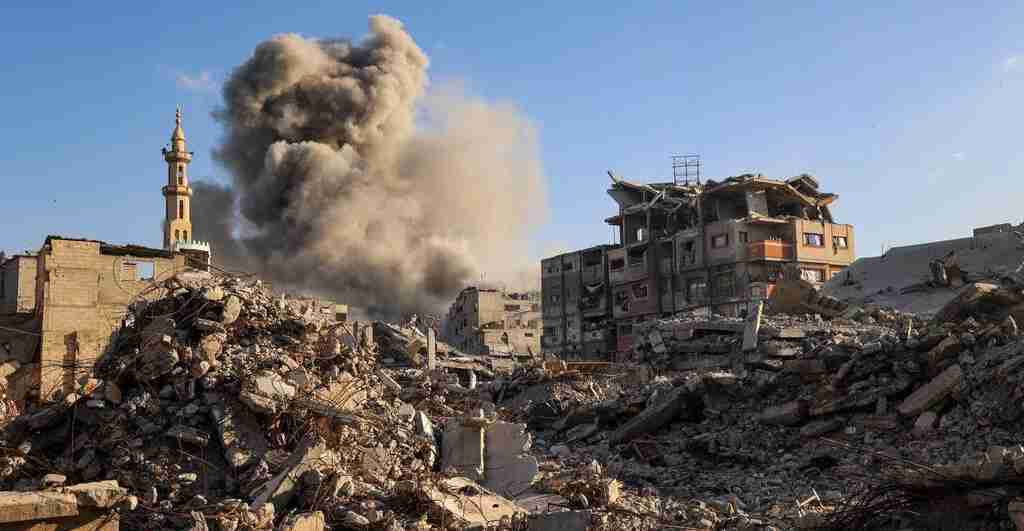
IDF fortifies yellow line as Gaza cease-fire strains amid renewed Hamas tunnel threat
The Israeli Defense Forces are reinforcing the “yellow line” along the Gaza border amid intelligence of renewed Hamas tunnel construction, bolstering sensors, engineering units and barriers as a fragile cease-fire shows strain and diplomats race to avert escalation.
- Forward fortification: The IDF is strengthening bunkers, observation posts and barriers along the so-called “yellow line.”
- Tunnel concern: Israeli officials cite intelligence indicating renewed tunneling by Hamas and allied groups, prompting counter-tunnel deployments.
- Technology and tactics: Seismic sensors, robotic platforms and engineering corps are being used to detect and deny subterranean threats.
- Diplomatic risk: Egypt, Qatar and the UN are engaged to prevent escalation as the cease-fire shows signs of strain.
Fortifying the front: what the IDF is doing
Israeli military officials say they are reinforcing bunkers, observation posts and barriers along the yellow line — the forward defensive belt facing the Gaza Strip. That work includes laying reinforced concrete, installing additional surveillance systems and deploying specialized engineering units designed to locate and disable underground tunnels.
The IDF has also moved robotic systems and seismic sensors to suspected hotspots to detect digging and movement below ground. Military analysts say these steps aim to deny Hamas an avenue of attack and to raise the cost of any effort to dig attack tunnels toward Israeli communities.
These measures are being framed as defensive and calibrated to avoid immediate large-scale combat, even as they carry the risk of sparking retaliatory steps if tunnel activity is confirmed. (Sources: Reuters, AP, IDF statements)
Why tunnels matter
Hamas has a long record of using tunnels in Gaza. Some are designed to move fighters and weapons under the border for attacks; others are used inside Gaza for storage and movement. Israeli military doctrine treats tunnels as one of the most serious threats because they can bypass above-ground defenses and cause sudden, deadly infiltration.
Past operations — including large-scale campaigns in 2014 — placed tunnel destruction high on Israel’s priority list. Military planners warn that even the discovery of new tunnels can be treated as a material breach of a cease-fire, increasing the chance of strikes or ground action. (Sources: BBC, The Times of Israel)
Intelligence and the trigger for new fortifications
Israeli and allied intelligence reports indicate renewed tunneling activity in sectors along the northern and central Gaza border. Those reports prompted the rapid deployment of counter-tunnel technology and engineering corps. Officials have not released detailed evidence publicly, citing operational security, but emphasize preparations are aimed at prevention and early detection.
Public messaging from Israeli leadership stresses deterrence. Government and military spokespeople have highlighted the risk of tunnels and promised swift action to protect border communities, while critics warn that strong public language could narrow diplomatic room to maneuver. (Sources: Haaretz, Reuters)
Technology, tactics and costs
The IDF is pairing hardened positions with technology: seismic sensors, ground-penetrating radar and robotic platforms are being used more widely to detect underground activity. Some projects aim to create deep barriers or sensor arrays that can spot digging before it nears the border.
Such work is costly and time-consuming. It also leaves forward troops on high alert along the yellow line, placing soldiers and local civilians under stress. Local authorities near Gaza continue drills and maintain shelters — a constant reminder of the human stakes behind the engineering and sensor work. (Sources: AP, BBC)
The cease-fire under strain
The fortification effort unfolds against a cease-fire that has held in name but shows signs of strain. Small-scale rocket fire, cross-border incidents and mutual accusations of violations have become more frequent. Each side points to the other’s actions to justify heightened defenses.
International mediators, notably Egypt and Qatar, remain engaged to keep the fragile truce in place. The United Nations has warned of the humanitarian toll should hostilities resume more widely; diplomats say the posture is precarious: a confirmed tunnel discovery or major attack could quickly erode the cease-fire. (Sources: UN, Reuters, AP)
Hamas posture and motivations
Hamas publicly denies that its tunnel networks are intended solely for attacks, sometimes framing subterranean defenses as a response to repeated Israeli operations. Analysts say rebuilding underground networks can serve military flexibility, political signaling and internal cohesion among militant factions.
Even the perception of renewed tunnel activity can compel the IDF to invest in detection and fortification to reassure citizens and deter potential attacks. Perception matters in shaping defensive posture and diplomatic options. (Sources: The Times of Israel, Haaretz)
Diplomacy and the risk of escalation
Diplomats worry the interplay of intelligence, public rhetoric and forward fortification could create a feedback loop: defensive steps meant to prevent infiltration may be portrayed as aggression, raising tensions in Gaza. Mediators urge restraint and confidence-building measures to reduce the chance of miscalculation.
Some regional actors press for quiet steps — prisoner exchanges, humanitarian aid deliveries, or monitored reductions in certain activities — but such measures require political will on both sides that has been difficult to secure. (Sources: Reuters, AP)
Implications for the United States
Economic impact: A wider Israel-Gaza escalation could affect global oil markets and shipping routes, pushing up fuel prices briefly. U.S. defense industries could see increased demand for surveillance sensors and counter-mobility equipment, while humanitarian assistance needs may prompt additional U.S. funding.
Political consequences: The situation will test U.S. diplomatic bandwidth and domestic politics, as policymakers balance support for Israel’s security with pressure from humanitarian advocates urging restraint and aid to civilians.
Practical applications: U.S. officials may step up monitoring, contingency planning and coordination with allies on intelligence sharing and humanitarian aid. Military planners will watch for disruptions to regional stability that could affect American forces and interests. (Sources: U.S. State Department public statements, Reuters analysis)
Sources and further reading
- Reuters — Middle East coverage
- Associated Press — Israel news hub
- BBC — Middle East
- Haaretz — Israel news
- The Times of Israel
- IDF — official site
- United Nations
“The priority is early detection and prevention,” public statements from Israeli officials emphasize, underscoring the defensive framing even as diplomats warn of the risks of escalation.
(Reporting from Gaza City by Times Media Service; analysis and U.S. implications by Times Media Service correspondents and open-source reporting.)



