9th Circuit Lets Trump Administration Deploy Oregon National Guard to Portland, Reversing Lower Court Block
The U.S. 9th Circuit Court of Appeals ruled 2-1 Wednesday that the Trump administration may federalize and deploy the Oregon National Guard to Portland, lifting a lower-court block and allowing the deployment while legal challenges continue.
- Panel lifts block: A divided 2-1 9th Circuit panel allowed federalization and deployment to protect federal personnel and property — see the 9th Circuit opinion.
- Judicial split: Judges Ryan Nelson and Bridget Bade formed the majority; Judge Susan Graber dissented (reporting by Oregon Public Broadcasting and the Portland Tribune).
- Deployment proceeds: The ruling permits immediate deployment while statutory and constitutional issues continue through the courts (coverage by CBS News).
- Civil liberties concerns: Dissenters and advocates warn the decision could chill First Amendment activity and alter federal-state Guard balance.
Background and legal arguments
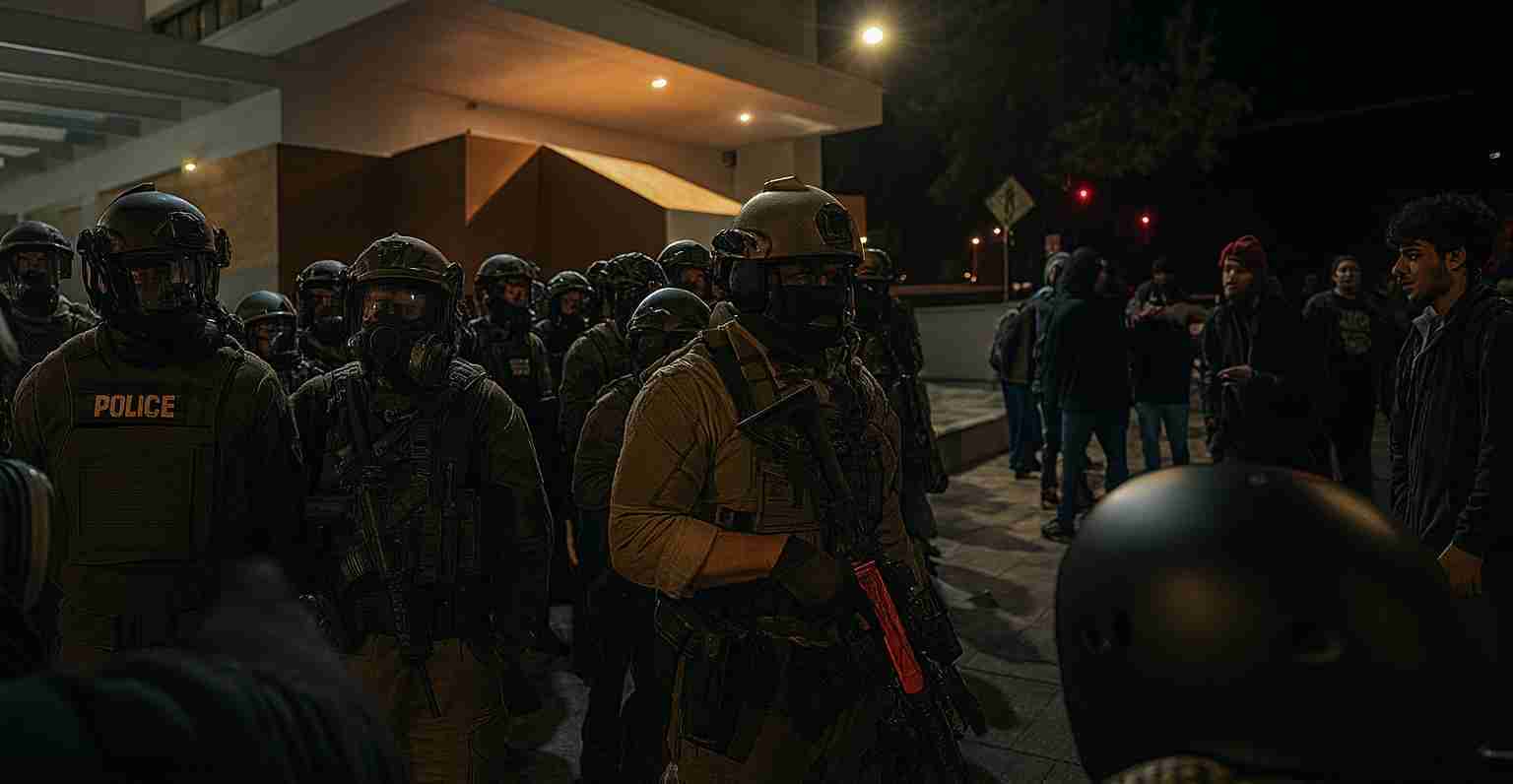
The dispute began after the Trump administration ordered the federalization of the Oregon National Guard and directed troops to Portland, saying the move was needed to protect federal immigration personnel and federal buildings, including ICE facilities, amid protest activity in the city. Reporting and context appear in CBS News and the court’s opinion.
Oregon and the city of Portland challenged the federal order, arguing most protests were protected by the First Amendment and that the government had not satisfied statutory conditions (such as invasion or rebellion, or inability of state forces to enforce federal law) for federalizing the Guard. U.S. District Judge Karin Immergut initially blocked the deployment, finding the government had not proven those statutory requirements (reporting: OPB).
What the 9th Circuit said
At oral argument on October 9, 2025, panel members probed the scope of judicial review over the president’s decision to federalize state forces; Judge Ryan Nelson asked whether courts could second-guess a president’s assessment. Coverage of the arguments is available from OPB.
The majority held that the statutes authorizing presidential use of the National Guard for federal purposes are broad and merit substantial deference to executive judgment when federal interests and federal facilities are implicated. The court concluded the lower court erred by enjoining the deployment before affording the government’s assessment appropriate deference (9th Circuit opinion; coverage: CBS News).
The dissent by Judge Susan Graber warned that permitting federalization on these facts could authorize intervention in largely peaceful protest activity and upset the balance of federalism and state control of the Guard.
“Allowing federalization for the facts presented risks setting a dangerously low standard for federal intervention in domestic demonstrations,” Judge Graber wrote in dissent (reporting: OPB).
Legal context and statutes at issue
The case centers on federal statutes governing when the president may call the National Guard into federal service. Historically, those statutes are read against principles of federalism and dual control of the Guard by governors and the federal government. Courts often weigh statutory text, past practice, and deference to executive assessments about imminent threats to federal functions (court opinion).
This ruling indicates the 9th Circuit is, at least preliminarily, willing to afford greater deference to the president in decisions to federalize state forces when federal property or personnel are at risk (analysis: CBS News).
Reactions and concerns
Critics: Oregon officials and civil liberties groups warned the decision could chill First Amendment activity and create a pathway for federal forces to be used against domestic protest movements (OPB).
Supporters: Proponents said the ruling restores federal ability to protect property and staff and argued commanders need clear authority to respond when threats escalate (coverage: CBS News).
Panel composition and significance
The three-judge panel included two Trump appointees — Judges Ryan Nelson and Bridget Bade — who formed the majority, and one Clinton appointee, Judge Susan Graber, who dissented. The split underscores differing judicial philosophies about executive deference and federalism (OPB; Portland Tribune).
Where the case goes next
The ruling lifts the immediate restraining order and permits the administration to proceed with deployment while litigation continues. The case is expected to proceed through the courts and could reach the U.S. Supreme Court because it raises core questions about the balance of federal and state authority (coverage and updates: CBS News).
Reporting and source documents
- 9th Circuit opinion
- CBS News coverage
- Oregon Public Broadcasting reporting
- Portland Tribune coverage
- Video of the hearing
Implications for the United States
- Federal-state authority: The decision could shift the practical balance of power between the president and governors if courts consistently defer to executive judgments on federalization (court opinion).
- Protests and civil liberties: Civil liberties groups say the ruling may lower the threshold for federal intervention in protests, raising concerns about chilling the right to assemble (OPB).
- National Guard use and readiness: Broader federal authority could reshape how governors and state militaries plan for domestic emergencies and coordinate with federal actors (Portland Tribune).
- Legal precedent: The case could become a leading precedent on executive power and domestic military deployments if higher courts, including the Supreme Court, take up the matter (CBS News).
- Political consequences: Reactions will vary: some view the ruling as restoring law-and-order tools for the executive; others see it as a threat to checks and balances and civil liberties (OPB).
This is a developing story. Officials in Oregon and federal agencies have issued statements and may file further briefs as the litigation proceeds. Readers can consult the 9th Circuit opinion and news reports for updates.