
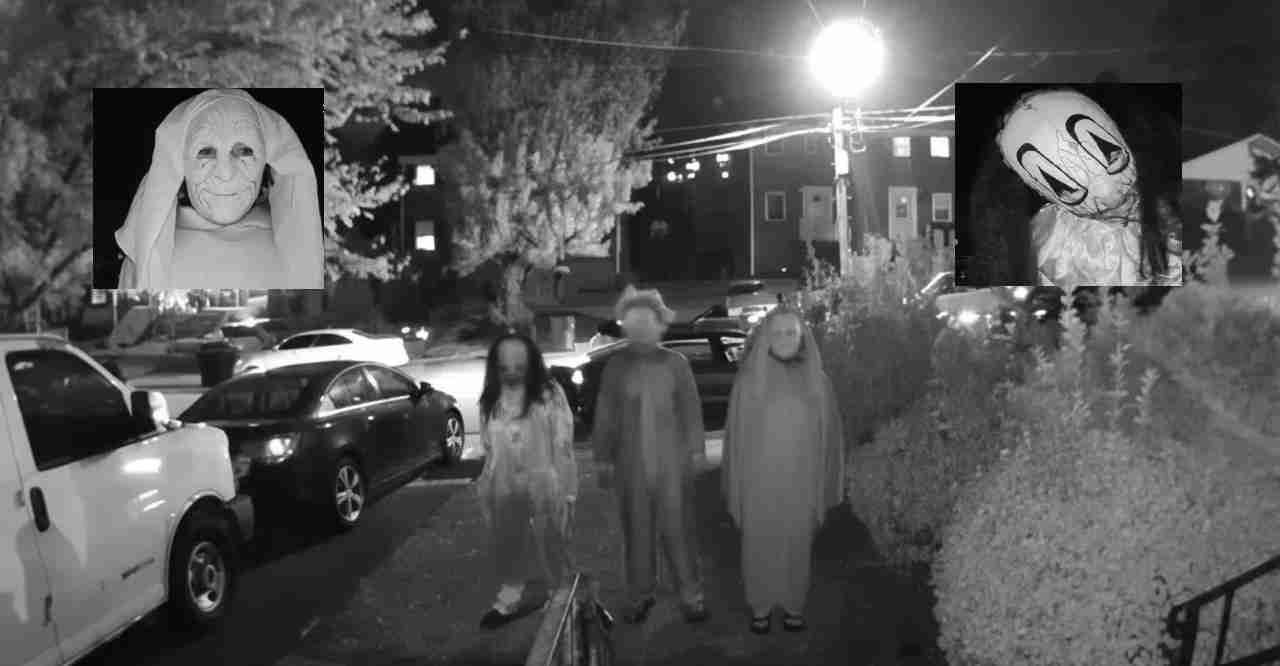
Viral Halloween break-in scare in Alexandria was staged, police say after 100+ hours of investigation
A terrifying Halloween break-in reported Oct. 14 in Alexandria, Virginia — shared widely via a viral Ring doorbell clip — was confirmed to be a staged hoax after Alexandria police spent more than 100 hours investigating, officials said.
- Reported incident: Ring doorbell footage showed three masked figures pounding on doors and shouting threats on the night of Oct. 14, 2025.
- Police response: Alexandria investigators logged more than 100 hours on the case, including canvassing, interviews and video analysis.
- Final finding: Authorities concluded the event was staged; a woman later admitted fabricating the incident.
- Sources: Viral footage and follow-up reporting are available as Viral Ring doorbell footage and reporting and Follow-up reporting and admission that the incident was staged.
What happened, according to the footage and police reporting
On the night of Oct. 14, a family in Alexandria reported what they described as a frightening attempted break-in. A Ring doorbell camera captured three people wearing Halloween masks who were shown pounding on a front door and shouting threats — including audible shouts of “Open the door!” and “It’s either you come out or we come in!”.
The figures then moved to the back of the house where footage showed minor property damage. The clip was posted publicly and quickly spread across social media and local news outlets (video reports: viral clip and follow-up report), prompting alarm among neighbors and viewers nationwide.
Police investigation and resource use
Alexandria police treated the report as serious. Investigators canvassed the neighborhood, interviewed potential witnesses, reviewed video in detail and followed leads aimed at identifying the masked individuals. Reporting tied to the viral footage indicates officers logged more than 100 hours on the case — covering patrol follow-ups, interviews, video analysis and administrative work.
“Violent-crime reports and calls for help are prioritized and thoroughly investigated,” officials told reporters, noting the scale of the effort reflected the potential threat to public safety.
How the case unraveled: staging and admission
After a prolonged investigation, police concluded the incident was staged. Reporting linked to the viral videos indicates a woman involved — reportedly the resident who posted the footage — admitted to fabricating the event. Authorities said the staging meant no real threat had been posed, though the video presented the appearance of danger.
Officials have not publicly detailed whether charges were pursued or filed. Local leaders warned that staged incidents divert critical resources from real emergencies and emphasized potential legal consequences for false reporting.
Community reaction and social-media fallout
Neighbors and online viewers reacted with frustration and anger after the hoax was revealed. Residents told local reporters they felt deceived and upset that police time and patrol resources were diverted to a fabricated event.
Media analysts and law-enforcement observers flagged the case as an example of how viral content can shape public perception and compel immediate official responses before verification. The incident prompted broader discussion about incentives on social platforms that reward sensational content.
The role of Ring doorbell videos and viral content
Doorbell and security-camera footage increasingly shape perceptions of crime and safety. In this instance, the Ring video was both the key piece of evidence and the source of the viral story. While such devices can capture genuine crimes, they can also enable staged scenarios to spread rapidly online.
Experts caution that footage circulating online should be treated with scrutiny until law enforcement completes an investigation. False reports can erode public trust and create practical problems for police departments.
Policy and legal questions
The hoax raises questions about enforcement and penalties for false reporting. In many jurisdictions, knowingly filing a false police report is a criminal offense that can lead to fines, restitution or jail time, depending on local law. Prosecutors and officials must weigh deterrence with careful investigation before pursuing charges.
Implications for the United States
Economic impact: When departments spend 100-plus hours on a fabricated incident, taxpayer-funded officer hours and follow-up work reduce availability for other community needs and can strain budgets.
Political consequences: Episodes like this feed debates about crime, public safety and responsible use of public resources. Officials may face pressure to propose clearer penalties for false reports.
Social effects: The hoax may deepen public skepticism toward viral crime clips — a healthy caution when applied critically, but one that can complicate support for genuine victims.
Cultural relevance: The case sits at the intersection of the attention economy and civic responsibility: social-media virality can produce real-world harms when users stage events for attention.
Practical applications for residents and agencies
- For residents: Verify before you share — check for updates from police or trusted local outlets before amplifying alarming footage.
- For law enforcement: Maintain transparent communication; update the public as investigations proceed and clarify when incidents are verified or disproven.
- For policymakers: Consider targeted deterrents and review penalties for false reporting to ensure they are proportionate and enforceable.
Sources and further reading
– Viral Ring doorbell footage and reporting
– Follow-up reporting and admission that the incident was staged
Authorities and local leaders continue to stress the importance of reporting real crimes and the dangers of fabricating incidents for attention. The Alexandria Halloween break-in hoax remains a topic of national discussion as officials, residents and platforms consider how to prevent similar incidents and protect public-safety resources.



