Florida deploys AI “robot rabbits” in Everglades to hunt invasive Burmese pythons
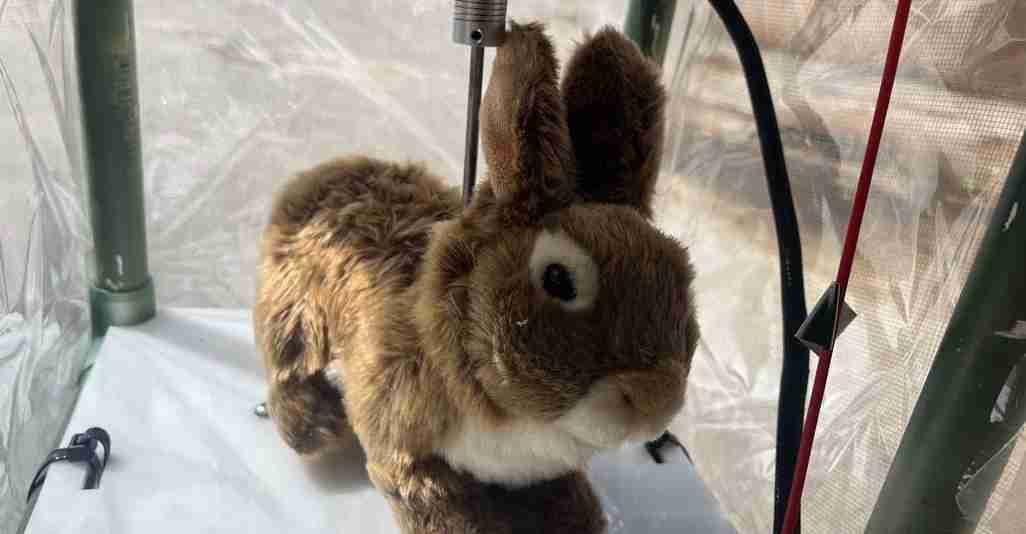
Florida wildlife officials have deployed solar-powered, AI-driven robot rabbits across the Everglades to lure, detect and help capture invasive Burmese pythons, using heat, scent and movement mimicry to reveal otherwise secretive snakes in a 2025 experimental rollout that officials say.
Key takeaways
- SFWMD-led effort: the South Florida Water Management District coordinates the program with the University of Florida and federal partners.
- Technology: solar-powered, remote-controlled decoys mimic marsh rabbits’ appearance, heat, scent and movement and use AI to reduce false alarms.
- Scale and cost: ~120 robots placed in 2025; each unit costs about $4,000, funded by the district.
- Goal: improve detection and removal of pythons to protect dwindling small-mammal and bird populations in the Everglades.
Main content
Who is running the program
The project is led by the South Florida Water Management District (SFWMD), working with the University of Florida and partner agencies that include the Florida Fish and Wildlife Conservation Commission, the National Park Service and the U.S. Fish and Wildlife Service. The district says coordination and data-sharing with state and federal partners underpin field deployments and response protocols.
How the robot rabbits work
Officials describe the devices as multi-sensory decoys that recreate the cues Burmese pythons use to find prey. The units:
- Look like marsh rabbits and sit inside small pens monitored by cameras and sensors.
- Emit heat and scent signatures and move in short bursts to simulate rabbit behavior.
- Are solar-powered, remotely controllable and linked to real-time alerts so contractors can respond quickly.
- Use AI to classify approaching animals, which officials say reduces false positives and speeds response times (CBS News, University of Florida, Route Fifty).
Deployment, response and outcomes so far
During the 2025 experimental rollout, roughly 120 robots were placed at targeted sites across the southern Everglades and other South Florida locations. Cameras record activity around pens; when a python is confirmed, a trained contractor is dispatched—typically aiming to arrive within about an hour. Removed snakes are euthanized under state protocols to reduce breeding populations, a practice officials defend as necessary to protect native wildlife (CBS News, SFWMD, Route Fifty).
“Each detected and removed python is a step toward preserving remaining wildlife and restoring balance to South Florida habitats.”
Prior methods and why robots are being tried
Agencies previously used public bounty hunts, organized removal events, targeted trapping and short experiments with live rabbits as bait. Live-bait approaches proved costly, labor-intensive and difficult to scale across the marshy Everglades; managers say robotic decoys offer safer, more deployable and potentially more cost-effective detection across remote areas (CBS News, Route Fifty).
Background: how Burmese pythons became a major problem
Burmese pythons established in South Florida mainly via the pet trade and facility escapes, with populations increasing after events such as Hurricane Andrew in 1992. Without natural predators and with high reproductive rates—females can lay 50–100 eggs per clutch—python numbers have ballooned. They prey on small mammals, deer, birds and even alligators, drastically altering Everglades food webs. Estimates put populations in the tens of thousands, though exact counts are difficult in secretive wetlands (CBS News, Route Fifty, SFWMD Python Program).
Ecological stakes and numbers cited by officials
Researchers report dramatic declines in some small-mammal populations—rabbit, raccoon and opossum numbers in study areas have fallen by as much as 95%—and thousands of birds have been lost in parts of the park. Those declines cascade through ecosystems, affecting seed dispersal, predator behavior, insect control and pollination. Officials emphasize that each detected and removed python is intended to protect remaining wildlife and aid recovery (CBS News, Route Fifty, SFWMD Python Program).
Program coordination and oversight
The SFWMD leads operations and funding for the robotic-rabbit initiative, coordinating fieldwork, contractor responses and research partnerships with the University of Florida. District budgets and grants cover initial units; the ~$4,000 per-robot figure has prompted scrutiny, but officials argue the units are cheaper and safer than live-bait options and can be placed in many more locations (SFWMD, CBS News, Palm Beach Post).
Ethics, public concern and transparency
The program raises questions about euthanasia of captured snakes, privacy from remote cameras and AI accuracy. Agencies say euthanasia follows state protocols and that cameras are focused on pens with data-sharing agreements in place. They also report ongoing AI testing and human review processes to minimize false positives and ensure oversight (Route Fifty, AP newsroom video).
Investigative questions being followed
Observers are tracking measurable outcomes: will robot rabbits increase detection rates enough to reduce python numbers? Will rebounds in native mammals and birds follow removals? What are long-term costs and scalability across the Everglades? Independent monitoring and transparent reporting are essential to evaluate conservation returns (CBS News, Route Fifty).
Implications for the United States
Economic and fiscal: Invasive species cost the U.S. billions annually. If detection technologies like robot rabbits reduce python numbers, there may be long-term savings for habitat restoration and local industries—but initial unit and maintenance costs require sustained funding decisions (CBS News, SFWMD Python Program).
Conservation and ecosystem health: Success could become a model for hard-to-detect invasive species nationwide and help restore small-mammal and bird populations that underpin fisheries, pollination and recreation (Route Fifty).
Public policy and law enforcement: The project highlights prevention gaps—pet-trade regulation, rapid response funding—and may spur policy changes or federal support to strengthen prevention and removal programs (SFWMD).
Community and land use: Effective python control could improve outdoor recreation and hunting opportunities and support local economies, while raising debates over spending priorities and animal-welfare concerns (Palm Beach Post).
Technology and privacy: Camera- and AI-based surveillance for wildlife will prompt national conversations about data use, transparency and safeguards to prevent misuse while preserving conservation benefits (Route Fifty, AP newsroom video).
Sources and further reading
- South Florida Water Management District: Using robotic rabbits to remove invasive pythons
- CBS News: Burmese pythons and robot rabbits
- Route Fifty: Florida enlists robot bunnies to manage invasive pythons
- University of Florida Biology feature on the robot rabbit project
- Associated Press newsroom video: Robot rabbits in Everglades python control
- Palm Beach Post: UF uses robot rabbits to fight python population
- Supplementary video coverage
- SFWMD Python Program