Zohran Mamdani Wins New York City Mayoral Race, Delivers Victory Speech as the First Muslim NYC Mayor
Zohran Mamdani was declared winner of the 2025 New York City mayoral race, delivered a victory speech and became the first Muslim elected Mayor of New York City, signaling a shift toward progressive housing and social justice.
- Winner: Zohran Mamdani (Democrat) — declared victor in the 2025 New York City mayoral race.
- Historic milestone: Mamdani is the first Muslim elected Mayor of New York City.
- Victory speech: Remarks were streamed live by PBS NewsHour and drew large viewership.
- Official counts: Final certified vote totals were not available at the time of reporting — see the New York City Board of Elections for official tallies.
Victory speech and immediate reaction
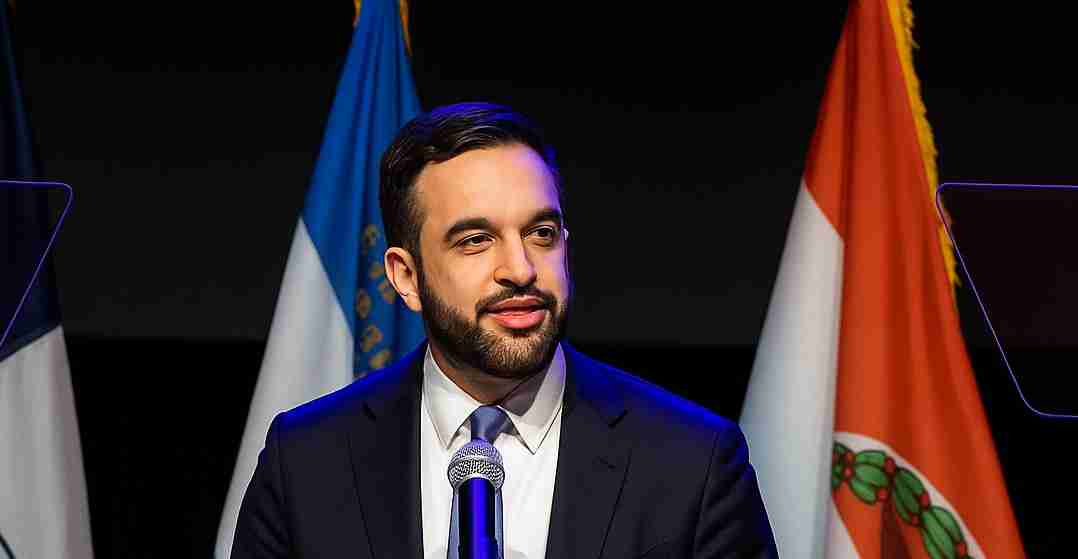
Shortly after major news outlets called the race, Zohran Mamdani took the stage and addressed supporters. In remarks streamed live by PBS NewsHour, he thanked staff, family and voters and framed the win as both a personal and civic moment — a sign that New Yorkers were ready for leadership prioritizing housing, climate resilience and equity.
“Thank you to everyone who believed in this campaign,” Mamdani said, thanking supporters and emphasizing a commitment to affordable housing and social justice.
Live coverage from national and local outlets relayed the moment as symbolic, noting his background and the significance of electing the first Muslim Mayor in city history.
What is known about the results
At the time of reporting, the confirmed outcome is that Zohran Mamdani won the mayoral contest and will assume the office of Mayor of New York City. Sources available to this report did not include a full breakdown of final vote percentages or certified counts. For precise, borough-by-borough tallies and certified figures, consult the New York City Board of Elections.
Major news organizations, including The New York Times and The Associated Press, are expected to publish detailed results and analysis once the Board posts certified numbers.
Campaign themes and how they shaped the race
Mamdani ran on a progressive platform emphasizing:
- Affordable housing — proposals to increase housing supply and tenant protections.
- Climate action — resilience and sustainability measures for the city.
- Social justice and equity — investments in services and programs aimed at reducing inequality.
That message resonated with a broad coalition across the city and was a central factor in building electoral support.
Implications for the United States of America
Economic impact
New York City’s policy direction has national economic importance. Business leaders, markets and municipal credit observers will watch how Mamdani funds housing, taxation and public spending initiatives. Conservatives and moderates will scrutinize budget plans, bond ratings and timelines for major projects.
Political consequences
As a Democrat with progressive priorities, Mamdani’s administration could shape urban policy debates nationwide. Republican and moderate Democratic officials will monitor his ability to balance ambitious social programs with effective governance and public safety outcomes.
Social effects
Symbolically, Mamdani’s election underscores inclusion and representation. Practically, changes in housing, policing, education support and social services will affect neighborhoods across the city and draw analysis from national advocacy groups and think tanks.
Cultural relevance
New York often sets cultural agendas. Mamdani’s victory will inform national conversations on diversity, immigration and religious freedom while prompting debates about maintaining civic order and opportunity within a pluralistic city.
Practical applications for other cities
City managers and mayors will watch the Mamdani administration for practical policy tools and pitfalls. Items to monitor include:
- Housing initiatives: new funding mechanisms, zoning changes and measurable increases in affordable units.
- Public safety strategy: balancing community policing, crime reduction and civil liberties.
- Fiscal management: maintaining balanced budgets and credit ratings while pursuing new programs.
- Climate and resilience: implementation timetables and cost controls for infrastructure upgrades.
What to expect next
The transition period will be the immediate focus. Observers should look for:
- A transition team announcement and staffing choices.
- Outline of a first 100-day agenda emphasizing housing and public safety.
- Negotiations with the city’s budget office and City Council over funding and priorities.
- Early executive orders or legislative priorities aimed at delivering campaign commitments.
Sources and attribution
This report is based on live-streamed remarks and coverage from major outlets. Key sources include: PBS NewsHour, the New York City Board of Elections, The New York Times, and The Associated Press.
Reporting note
Final certified election results were not available from official election authorities at the time of writing. For the most up-to-date, official numbers and borough-level breakdowns, consult the New York City Board of Elections. For ongoing coverage and analysis, see live reporting from PBS NewsHour, The New York Times, and The Associated Press.