Trump gives Maduro ultimatum to flee Venezuela as land operations loom — talks collapse over amnesty and military control
In late November 2025, President Trump delivered a stark ultimatum to Nicolás Maduro, demanding immediate departure and offering evacuation for Maduro and close family; talks collapsed over amnesty and military control, prompting US airspace closure and threats of land operations.
Key takeaways
- Immediate ultimatum: President Trump told Nicolás Maduro to leave and offered safe passage for Maduro and close family if he stepped down, according to reporting from Times of India and Fox News.
- Negotiations failed after Maduro demanded global amnesty, insisted on keeping military control and refused immediate resignation.
- Rapid escalation: The US closed Venezuelan airspace, airlines rerouted flights, and officials warned that land operations could begin “very soon.”
Main content
Dateline
Caracas, Venezuela (Times Media Service) — In a dramatic escalation of US–Venezuela tensions, President Trump issued a direct ultimatum to Nicolás Maduro in late November 2025, demanding his immediate departure. Negotiations stalled over Maduro’s demands for amnesty and military control, leading to a breakdown in communication. The US swiftly retaliated by closing Venezuelan airspace and warning of potential land operations.
The call and the ultimatum
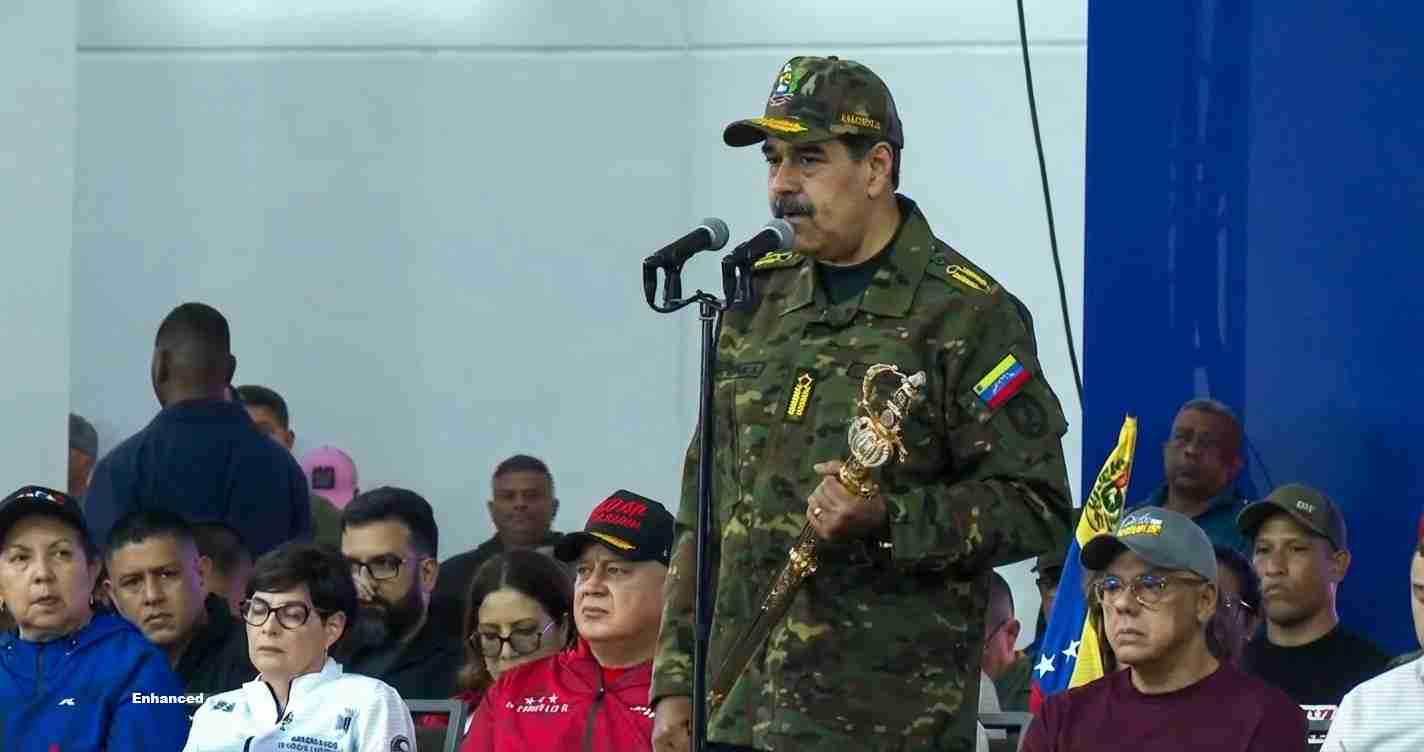
According to reporting, President Trump spoke by phone with Nicolás Maduro in late November 2025 and delivered a blunt message: leave the country now or face consequences. The United States offered safe passage not only for Maduro but for his wife, Cilia Flores, their son and several top allies if he resigned immediately, a source familiar with the talks told reporters (Times of India; Fox News).
Washington framed the offer as a path to avoid bloodshed and to restore democratic order. Caracas viewed the demand for immediate resignation as an unacceptable emergency condition. After the initial call, Venezuelan officials tried to set up another conversation but received no reply, according to reports (Times of India).
Maduro negotiations breakdown
Sources indicate three core demands by Maduro’s side caused the negotiations to collapse. The impasse centered on:
- Global amnesty: Maduro sought immunity from prosecution for himself and senior officials for alleged crimes committed while in power. Washington rejected a blanket international amnesty as a non-starter (Times of India; Fox News).
- Control of the armed forces: Maduro reportedly insisted on retaining control of the Venezuelan military even if he allowed free elections — a condition unacceptable to US negotiators (Times of India; Fox News).
- Timing: The United States demanded immediate resignation; Caracas refused to step down on Washington’s timetable, producing the final impasse (Fox News).
These three differences — legal protection, control of the military, and timing — ended talks and set off a rapid escalation of pressure from the US (Times of India).
Rapid military escalation and airspace closure
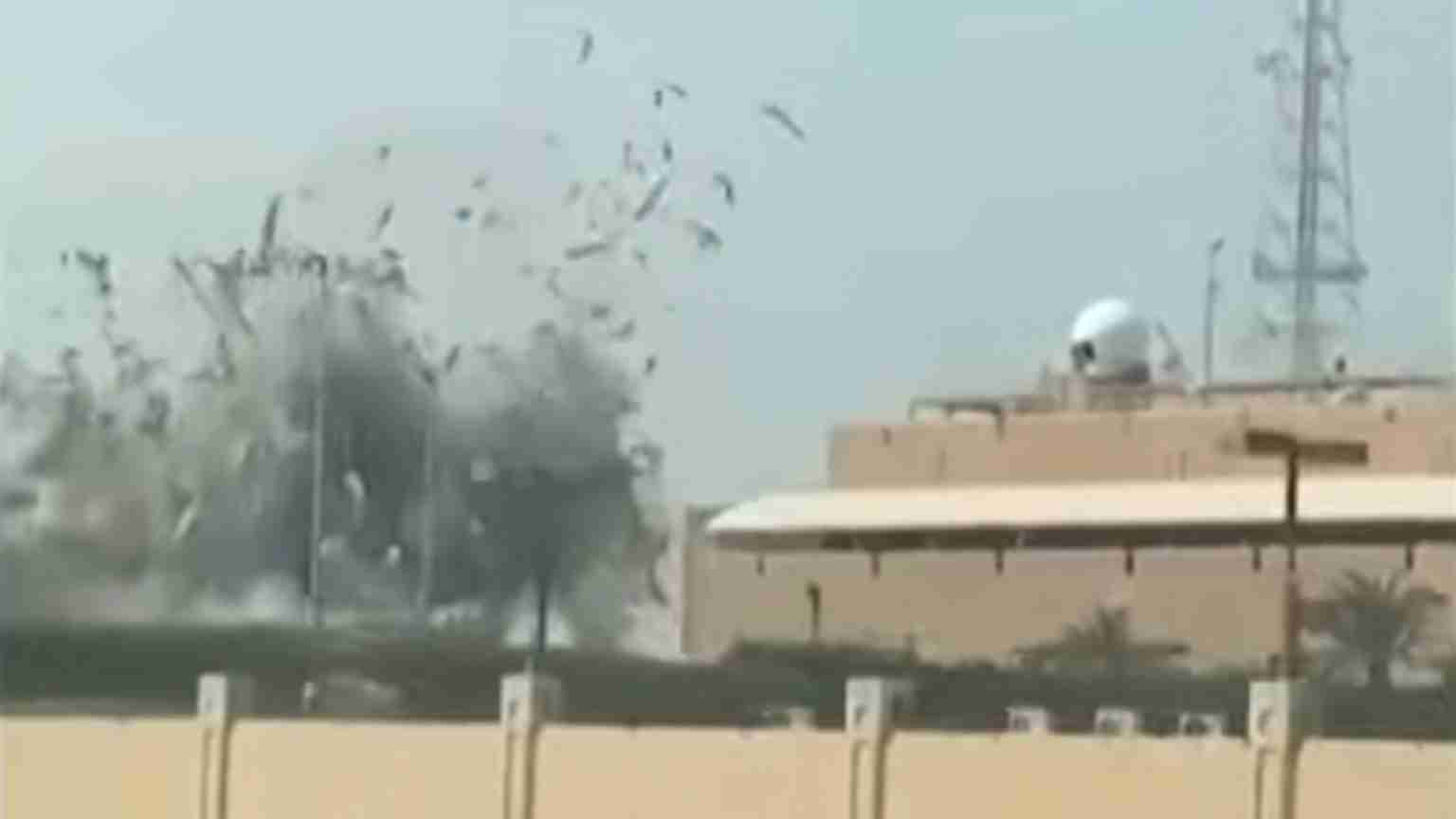
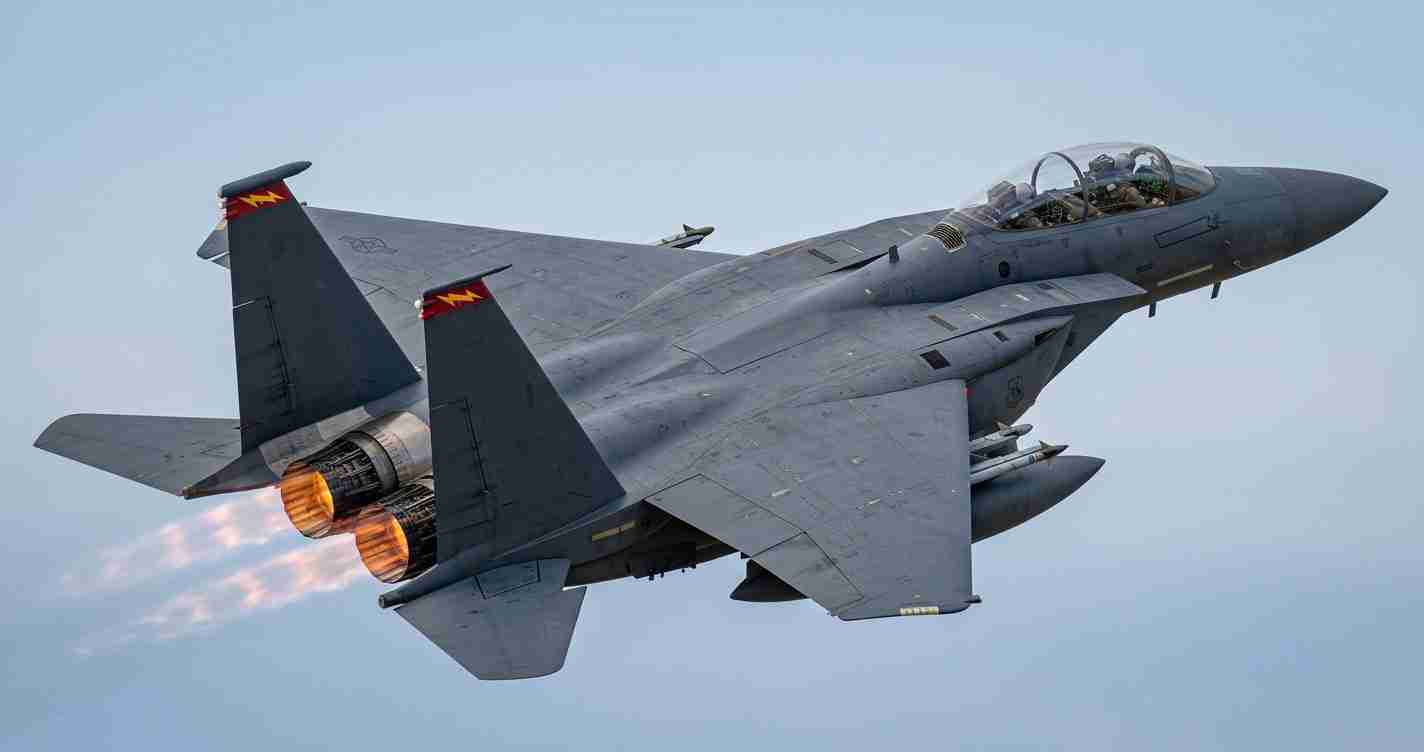
Following the failed negotiations, US authorities declared Venezuelan airspace “closed in its entirety,” warning that military operations “by land” could begin imminently. Flight-tracking services showed no international flights crossing Venezuelan airspace; airlines rerouted to nearby hubs such as Aruba and Curaçao and some paused service after an FAA advisory. Venezuela revoked operating rights for several foreign carriers and accused the United States of “colonial aggression” (Times of India).
The military situation inside Venezuela
Defense analysts told reporters that Venezuela’s military strength has eroded over years of economic collapse, corruption, sanctions and defections. Once considered among Latin America’s strongest forces, its inventory now reportedly includes aging Russian hardware and old American equipment that have not been properly maintained. One expert described parts of the arsenal as “junk from the Russians,” saying the armed forces lack personnel, external support and material for a sustained defense (Fox News).
US officials have reportedly identified several regime figures as targets after years of intelligence work. One defense source warned the plan could amount to a “capture-or-kill scenario,” though removing dispersed targets across a large country presents logistical hurdles. Analysts note Maduro’s closest backers may face their most serious threat to date if contingency plans are enacted (Fox News).
Regional and international context
The Trump administration’s tougher posture toward Caracas comes amid increased US maritime strikes on suspected drug‑smuggling vessels in the Caribbean. Critics have denounced some actions as extrajudicial and Congressional inquiries are underway into an alleged “double tap” strike near Trinidad — a claim the administration has denied (Times of India).
Washington also designated the Cartel de los Soles — a network allegedly linked to Venezuelan security forces — as a foreign terrorist organization, part of a strategy to cut off criminal revenue and justify tougher measures. Senator Dave McCormick framed policy through a law‑and‑order lens, warning of drug flows he says originate in part from Venezuela (Times of India).
Analysts add that Maduro’s international backing has weakened; Russia and Iran are described as “on the back foot,” and China has been cautious about deepening involvement. That relative isolation leaves the Venezuelan leader with fewer options as pressure rises (Fox News).
Implications for the United States
Economic and security impact: A US push into Venezuela could disrupt oil markets and global supply chains. While output is below past peaks, instability could push prices higher and affect consumers and business. The administration argues disrupting the Cartel de los Soles and drug routes will reduce lethal fentanyl and other narcotics entering the United States (Times of India).
Political consequences: The move raises legal and oversight questions for Congress and the courts about authority for military action and intelligence operations. Lawmakers of both parties have pressed for accountability over recent maritime strikes; any ground operations would intensify scrutiny (Times of India).
Homeland security and migration: A change of regime could trigger refugee flows toward neighboring countries and indirectly toward the United States. The administration must balance action against transnational crime with humane, orderly handling of displaced people (Fox News).
Military readiness and costs: Any land operation would test US logistics and troop readiness. Defense analysts warn that taking multiple high‑value targets across a large country requires precise planning and significant resources.
Public perception and alliances: The White House will need international backing to limit blowback. While some regional partners support pressure on Caracas, others worry about sovereignty and the precedent of direct action; multilateral support will be a key measure of legitimacy (Fox News; Times of India).
Sources and further reading
- Times of India: “You must leave the country now: Trump delivers blunt ultimatum to Maduro on call, US-Venezuela tensions flare”
- Fox News: “Trump gave Maduro ultimatum to flee Venezuela, land operations loom: report”
Reporting compiled from Times Media Service with reporting and source material as noted above.