
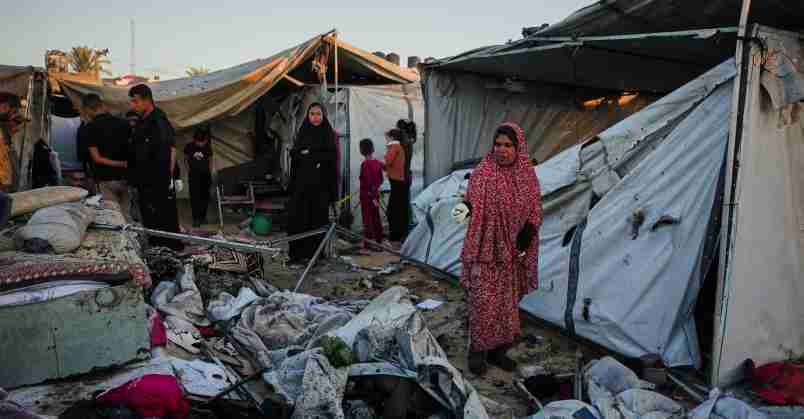
Deadliest Day in Gaza: 143 Killed as Israel Launches Wave of Strikes, Accuses Hamas of Truce Breach
Gaza endured its deadliest day since the ceasefire on May 15, 2025, when Israeli airstrikes killed 143 people amid claims that Hamas breached the truce, sparking renewed hostilities and mounting humanitarian concerns and international calls for investigation.
- May 15 toll: Israeli airstrikes killed at least 143 people in Gaza, the deadliest single day since the ceasefire collapsed — see the Gaza war summary for context.
- IDF rationale: The Israel Defense Forces said the operations were a response to an alleged Hamas breach of the truce; the claim and associated footage are noted in the timeline of the Gaza war.
- Humanitarian strain: Gaza health authorities reported surging casualties and thousands injured, with aid access disrupted and hospitals overwhelmed (Gaza war).
Deadliest Day in Gaza — what happened on May 15
Israeli military officials said the May 15 strikes targeted Hamas infrastructure and operatives across Gaza. Palestinian health authorities counter that many strikes hit crowded civilian areas — markets, residential neighborhoods — producing high casualties and widespread injury. Local casualty figures and summaries are included in the Gaza war coverage referenced here.
IDF framing and stated justification
The IDF described the operation as retaliation for actions it says violated the truce, pointing to incidents it labeled hostile or preparatory acts by militants near Israeli forces. Officials emphasized defense of Israeli civilians and prevention of further attacks.
“The strikes were a necessary measure to halt a truce breach and neutralize imminent threats,” an IDF statement said, according to public summaries of the conflict timeline.
Background: how the truce unraveled
A ceasefire that held through the spring began to fray in the months before May as both sides accused one another of violations and preparations for renewed violence. Intermittent clashes and targeted operations escalated, feeding a pattern of accusations and retaliatory strikes documented in the Gaza war summaries and the detailed timeline of the Gaza war.
IDF drone video: claims and questions
On the Tuesday after May 15, the IDF released drone footage it said showed Hamas operatives staging the discovery of a body wrapped in white cloth in front of the Red Cross. The IDF presented this footage as evidence of manipulation intended to sway public sentiment and humanitarian responses; summaries reference this material in the timeline.
Independent verification: As of the latest public summaries cited here, independent monitors and humanitarian groups have not publicly corroborated the IDF’s interpretation. The International Committee of the Red Cross has not confirmed the specifics in the public record noted in these sources.
Analysts caution that military-released footage can lack context — timing, framing, and edits can shape interpretation — underscoring difficulty in establishing uncontested facts during active hostilities.
Casualties, humanitarian impacts and aid access
Gaza health authorities reported rapidly rising casualty numbers: the May 15 tally reached at least 143 fatalities, with thousands injured. Hospitals faced severe strain as daily fatality counts continued to mount in the weeks that followed (timeline).
- Medical systems: Emergency rooms and field hospitals reported shortages of supplies and capacity.
- Aid access: Deliveries into Gaza were reduced and crossings like Rafah were closed at times, worsening shortages of medicine, food and water (Gaza war).
- Verification challenges: Casualty counts rely chiefly on Gaza’s Health Ministry and local hospitals; independent verification in active zones is often delayed.
International reaction and political pressure
The escalation prompted criticism from various governments and international bodies. Responses ranged from condemnation and calls for restraint to renewed diplomatic efforts to broker pauses for humanitarian access. Mediators, including the United States, sought temporary pauses to ease civilian suffering and permit aid deliveries.
Implications for the United States of America
Economic impact
Short-term market volatility, especially in energy, is possible; prolonged instability could affect oil markets and investor sentiment. Increased aid requests can influence U.S. budget priorities and emergency appropriations (Gaza war).
Political consequences
Domestically, debates sharpen over balancing support for allies and guarding civilian protection. Congressional oversight may intensify regarding conditions on military assistance and clarity about its use.
Social effects and cultural relevance
American Muslim, Jewish and Arab communities may experience heightened tensions and mobilization. Competing narratives and released videos shape public opinion and media coverage; calls for independent verification of military footage are frequent among those seeking accountable reporting.
Practical applications for U.S. policymakers and citizens
- Oversight and diplomacy: Push for transparent investigations into the May 15 strikes and the IDF footage; Congress can request briefings and documentation.
- Humanitarian coordination: Federal agencies and NGOs should prepare to scale aid flows if access improves; local groups can ready services for refugees and asylum seekers.
- Community safety: Local leaders should prepare for protests and community tensions, coordinating with law enforcement and civil society to protect rights and safety.
Sources and verification
This report draws on publicly available summaries and timelines including the Gaza war overview and the detailed timeline of the Gaza war. The IDF’s claims about drone footage are noted in those timelines; independent confirmation had not been publicly documented in those sources at the time of reporting.
If neutral observers such as the ICRC, UN agencies or independent media publish verification, those findings should be integrated to clarify disputed incidents and assess humanitarian and legal implications.



