
Hamas Returns Partial Remains of Three Israelis — Officials Say They Are Soldiers, Not Hostages
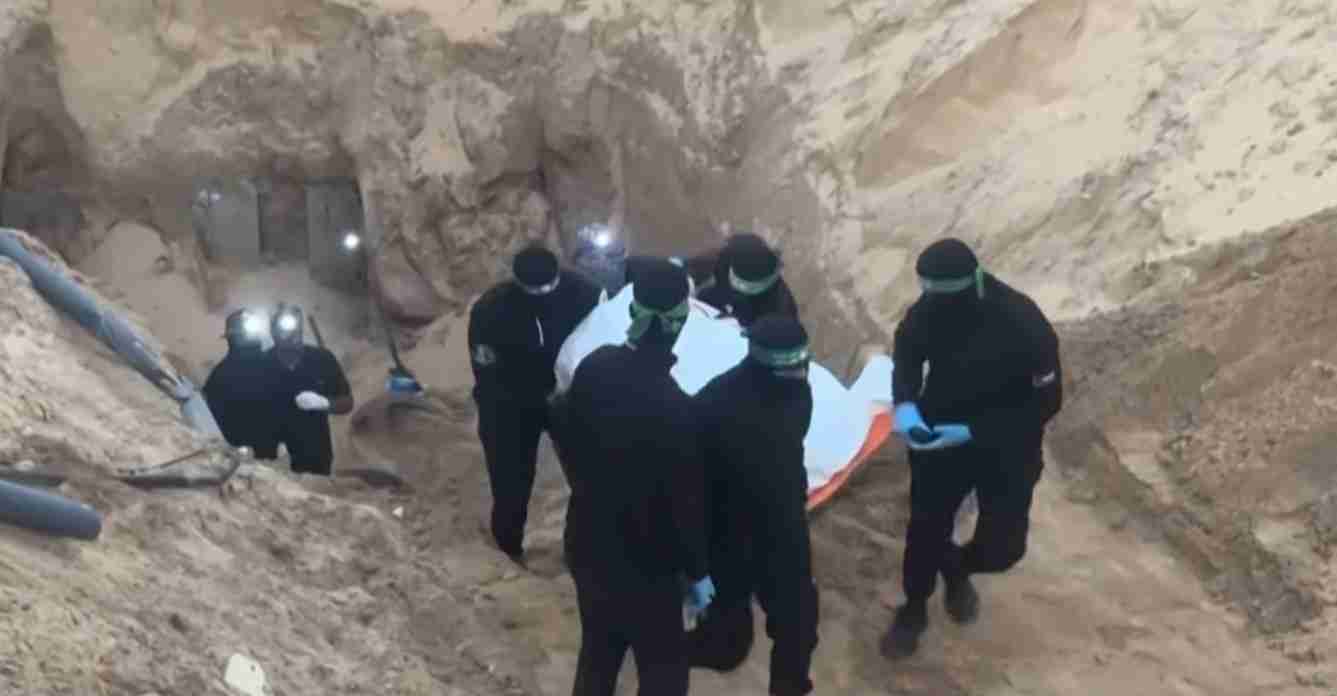
Hamas handed over partial remains of three Israelis to Israel Friday night; Israeli officials said Saturday the remains belonged to soldiers killed Oct. 7, 2023, not to any of the remaining hostages, amid ongoing ceasefire negotiations.
Key takeaways
- Three partial remains returned: Hamas transferred the partial remains of three bodies; Israel said they did not match any remaining hostages (ABC7 News).
- Identified soldiers: Israel named Capt. Omer Neutra, Staff Sgt. Oz Daniel and Col. Assaf Hamami as those killed Oct. 7 and said the remains were found in a tunnel in southern Gaza (ABC7 News).
- Ceasefire context: The transfer occurred amid U.S.-brokered ceasefire talks that include an international stabilization force and border measures (ABC7 News).
- Exchange imbalance: Israel has returned roughly 270 Palestinian bodies under current exchanges while Gaza has identified only 78 due to limited DNA capacity (ABC7 News).
The handover and the question of identity
The transfer of partial remains raises immediate questions about who is being returned and how identifications are made amid wartime chaos. Israeli officials said the three partial remains were of soldiers killed during the Oct. 7 attack and not of any of the hostages still listed as missing. The prime minister’s office named the three military personnel and said Hamas had located their remains in a tunnel in southern Gaza. (Source: ABC7 News)
Identification challenges and forensic limits
Identification under these conditions is fraught. DNA testing is the gold standard, but the Gaza Health Ministry says it lacks kits and laboratory capacity. As a result, authorities in Gaza have posted photos online and asked families to identify remains visually. Israeli officials rely on their own forensic work, but the partial and degraded nature of many remains makes conclusive identification slow and difficult. (Source: ABC7 News)
Exchange pattern and the balance of returns
These body exchanges are part of a broader bargaining process tied to ceasefire talks. Under current arrangements Israel has been returning many more Palestinian bodies than Israeli bodies or hostages received — roughly a 15:1 ratio, officials say. Israel has turned over the remains of 270 Palestinians, while Gaza has identified only 78 because of limited forensic resources. (Source: ABC7 News)
Disputes over pace and scope
Palestinian and Israeli accounts differ on the pace and scope of returns. Hamas cites destruction and ongoing operations as obstacles to locating remains; Israeli officials express frustration at what they see as slow or selective returns and instances when remains returned were not those of listed hostages. These disagreements complicate U.S.-mediated ceasefire negotiations. (Source: ABC7 News)
Why the remains matter in diplomacy and law
Bodies and hostages are central to the diplomatic framework of the ceasefire. Returning remains can be a humanitarian act that builds trust, but every transfer becomes a test of compliance with negotiated terms. For families, identification is crucial for burial and closure. Under international humanitarian law, parties have obligations to account for and return remains, and disputes over exchanges can shape international perceptions and political support. (Source: ABC7 News)
Logistical and forensic hurdles
Retrieval and identification face real obstacles: many sites are heavily damaged or inaccessible; remains in tunnels or collapsed structures are often partial and degraded. Gaza’s health system has limited DNA testing kits and equipment, slowing identification. Some identifications rely on family recognition of photos or cross-border forensic cooperation, which is politically and technically complicated. (Source: ABC7 News)
What officials said
Israeli authorities publicly identified the three sets of partial remains as Capt. Omer Neutra (an American-Israeli), Staff Sgt. Oz Daniel and Col. Assaf Hamami — all reported killed on Oct. 7. The prime minister’s office said Hamas had found their remains in a tunnel in southern Gaza and turned them over as part of the broader exchange tied to the ceasefire, stressing the remains were not of living hostages still unaccounted for. (Source: ABC7 News)
“The recovery process is slow and difficult amid destruction and ongoing operations,” Hamas has said in prior statements, acknowledging limits to locating bodies and hostages.
Hamas-Israel body exchange in the wider ceasefire talks
The return of these three partial remains is one piece of broader Gaza ceasefire negotiations. U.S. mediation has focused on stopping large-scale hostilities, creating mechanisms for prisoner and remains exchanges, and setting up an international stabilization force and rules for Gaza’s borders. Each handover tests trust between parties and the willingness of mediators to press for follow-through. Forensic cooperation and third-party verification are often proposed to reduce disputes, though arranging independent verification in a tense environment is challenging. (Source: ABC7 News)
Implications for the United States
National security and diplomacy: The U.S. has helped broker the ceasefire and faces pressure to keep talks moving while protecting American interests. Disputes over exchanges complicate U.S. diplomacy and can affect relations with Israel and Arab partners. (Source: ABC7 News)
Political consequences at home: Handling of hostages and soldier remains resonates with national-security-minded audiences. Congressional pressure for clearer, faster returns may grow, and public sentiment could harden if returns are seen as unequal. (Source: ABC7 News)
Humanitarian and legal concerns: The U.S. must balance support for Israel’s security with humanitarian calls for proper handling of remains and fair treatment of civilians. Limited forensic capacity in Gaza raises questions about how to assist identification efforts without politicizing aid. (Source: ABC7 News)
Military families and veterans: Returns of soldier remains deeply affect military families and veterans; officials and lawmakers will press for transparency and rapid forensic verification. (Source: ABC7 News)
Practical policy steps: The U.S. can push for expanded forensic capacity, third-party verification to confirm identities, and clear timelines for phased exchanges tied to ceasefire terms — balancing humanitarian needs with security realities. (Source: ABC7 News)
Reporting and transparency going forward
This transfer underscores that body exchanges remain a central and sensitive element of negotiations. Scarce forensic tools, degraded remains, and high political stakes mean each handover will be closely scrutinized. Independent verification and clear communication will be critical to reduce disputes and help grieving families on both sides. (Source: ABC7 News)
Source
Times Media Service reporting based on local and international briefings and official statements. Full source material: Full ABC7 News report



