
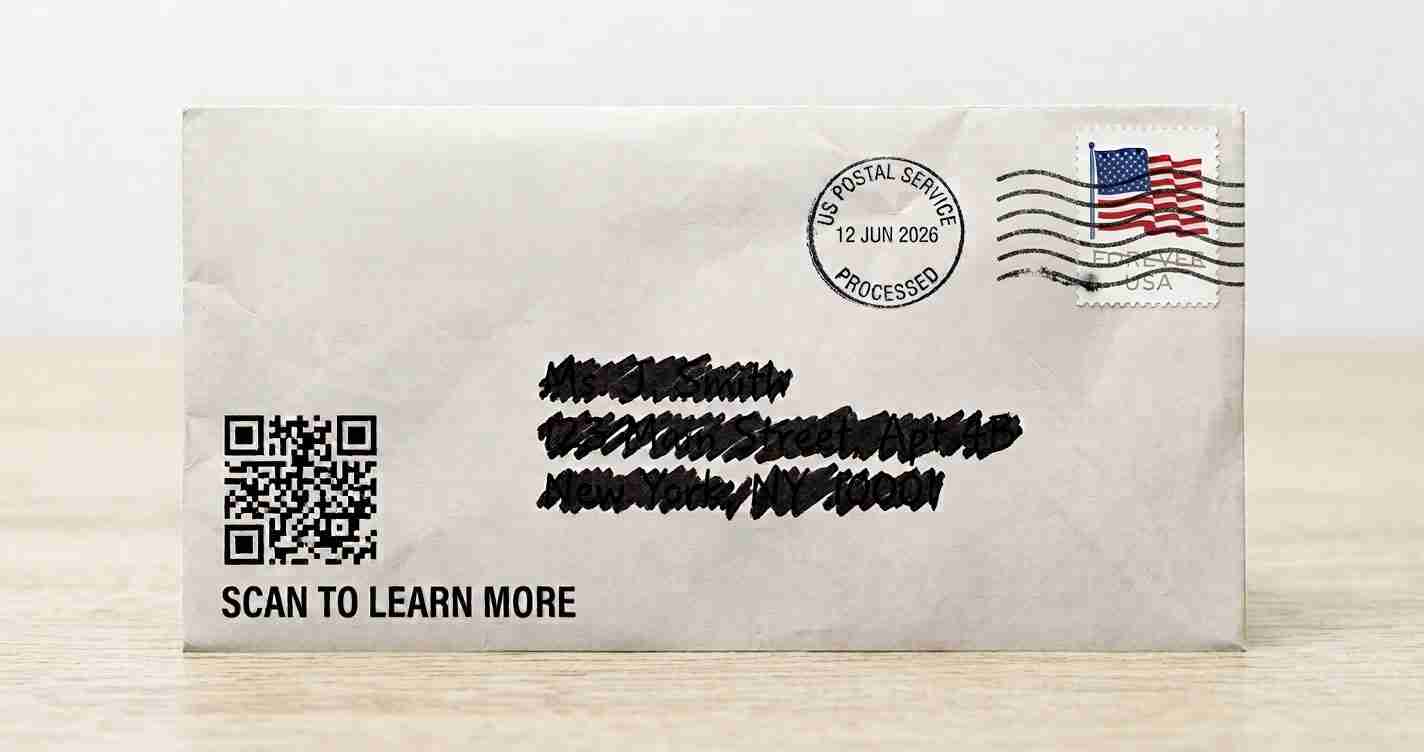
WASHINGTON, June 28 (DC Times Online) — A strange envelope in the mailbox may look harmless, but federal consumer and postal officials say it can be part of a scam.
The U.S. Postal Inspection Service says brushing scams are illegal in the United States. In a brushing scam, a person receives merchandise they did not order. The sender is often an overseas or third-party seller that found the recipient’s address online.
Why would someone mail you something you never asked for? The Postal Inspection Service says the goal is usually to make the recipient appear to be a verified buyer. That lets the seller post fake positive reviews in the person’s name.
What is the QR code trap?
Officials now warn about a newer twist often described as quishing, short for QR-code phishing. In that version, a package or envelope includes a QR code that tells the recipient to scan it to learn who sent the item or to get more information.
The Federal Trade Commission says an unexpected package with a QR code could be a brushing scam variation. The agency warns that scanning the code can send a person to a fake website that steals personal information or installs malware.
The Postal Inspection Service has given similar advice, saying people should never scan untrusted QR codes or click unknown links.
What should you do if one shows up?
Postal officials say not every mysterious mailing needs the same response, but a few steps are clear:
- Do not scan the QR code.
- Do not click links or call numbers printed on the package if they seem suspicious.
- Report the unsolicited item to the U.S. Postal Inspection Service.
- If the item is marked with a return address, you may return it unopened.
- If it is already opened and safe to do so, you may dispose of it.
The Postal Inspection Service also says recipients may keep unsolicited merchandise by law.
Should you contact the sender?
USPS consumer warnings cited in public guidance say not to contact the sender. Doing so can confirm that your address is active and may lead to more unwanted mail.
If there is any chance your personal information was exposed, the Postal Inspection Service recommends changing passwords and watching credit reports and credit card bills closely.
Why this matters
The scam is not just about annoying mail. Federal officials say the real risk is that the envelope, package or QR code is used to collect personal data, create fake customer activity or spread malware.
That is why consumer protection officials say the safest response is simple: treat unexpected mail with caution, and do not scan a code just because it arrived in your mailbox.



