NEW YORK, July 25 (Our New York News) — Legionnaires’ disease is serious, but the practical advice for most New Yorkers is straightforward: watch for flu-like symptoms after possible exposure, seek care quickly, and know that the main prevention work happens in building water systems, not in everyday contact with other people.
City health officials said on Aug. 4 that two people had died in the outbreak under investigation in New York City. Officials have said the suspected source was a cooling tower in the affected area, not building plumbing.
What is Legionnaires’ disease?
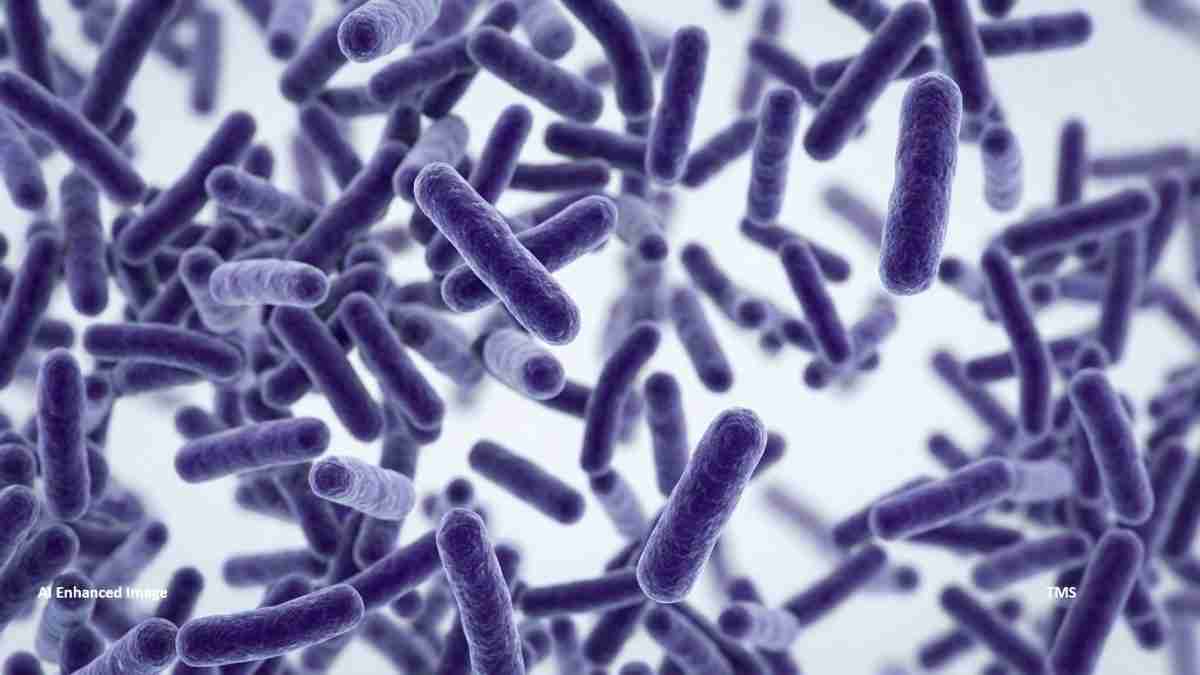
The Centers for Disease Control and Prevention says Legionnaires’ disease is a type of pneumonia caused by Legionella bacteria. People usually get sick after breathing in tiny water droplets that contain the bacteria. The CDC and New York City health officials say common sources include cooling towers and other building water systems, plus hot tubs, fountains, humidifiers, hot water tanks, and plumbing systems.
The CDC says the disease is not generally spread person to person and is not spread by drinking water. That means a sick neighbor, coworker, or family member is not the usual route of infection.
Why do cooling towers matter?
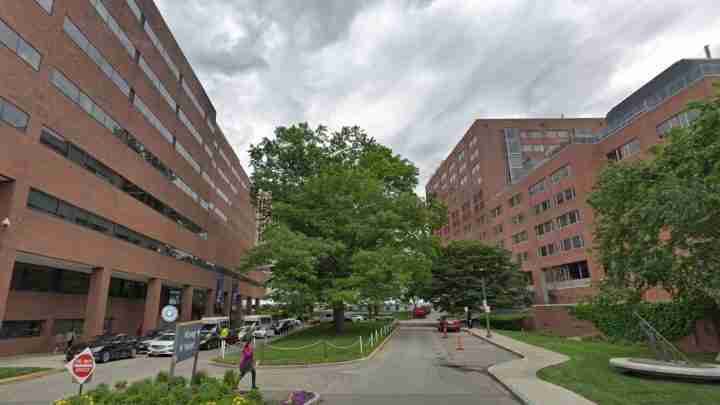
Cooling towers are part of some building air-conditioning systems. If water inside them becomes contaminated, droplets can spread through the air. CBS News reported that city health officials traced the outbreak to 11 buildings in Central Harlem with contaminated cooling towers.
New York City health officials have also said the outbreak was unrelated to any building’s plumbing system. That distinction matters because it points prevention efforts toward water-system maintenance, not household drinking water.
What symptoms should raise concern?
The CDC says symptoms often include cough, shortness of breath, fever, muscle aches and headache. Other symptoms mentioned in the reporting include nausea, vomiting, diarrhea, confusion, fatigue, loss of appetite and kidney injury.
Symptoms usually start a few days after exposure. In the sources reviewed for this story, the CDC-reported window ranges from about 2 to 14 days.
Why do doctors stress early treatment?
Because Legionnaires’ disease can look like the flu or another pneumonia at first, the CDC and the doctors quoted in the coverage say early testing and antibiotic treatment matter. The disease can be effectively treated with antibiotics, and early treatment can reduce the risk of severe illness.
Dr. Aaron Glatt told CBS News that early diagnosis matters because antibiotics can make the illness much less dangerous. The CDC-backed guidance in the reporting says people with symptoms should not wait to see if they improve on their own.
Who is at higher risk?
The CDC says the higher-risk groups include adults 50 and older, smokers, people with chronic lung disease and people with weakened immune systems. Some reporting also notes that people with other chronic illnesses may be at higher risk.
Healthbeat, citing public-health guidance, says most healthy people exposed do not get sick. That is one reason experts say the disease is serious, but not a cause for panic in ordinary daily life.
What can prevent outbreaks?
The biggest prevention step is proper water management. CDC guidance cited in the reporting says comprehensive water management programs, regular cleaning and disinfecting of cooling towers, preventing stagnant water, and keeping water temperature and disinfectant levels under control can help prevent outbreaks.
Fox News and USA Today reported that the CDC estimates nearly nine in 10 outbreaks could have been prevented with better water management.
New York City has rules aimed at that problem. Reporting on city law says cooling towers must be registered, tested, cleaned, disinfected and remediated after a positive test. Healthbeat says the city passed those rules after a prior outbreak in 2015.
What should someone do if symptoms start?
The reporting backed by the CDC says to get medical care quickly, especially for anyone with risk factors such as older age, smoking, lung disease or a weakened immune system. City notices cited by USA Today urged prompt medical attention for flu-like symptoms during the outbreak.
The bottom line
For most New Yorkers, Legionnaires’ disease is not a day-to-day transmission risk from other people. The real public-health issue is building water safety, especially in cooling towers. For individuals, the main step is to recognize symptoms early and seek care, because the disease is treatable and early antibiotics can make a difference.