
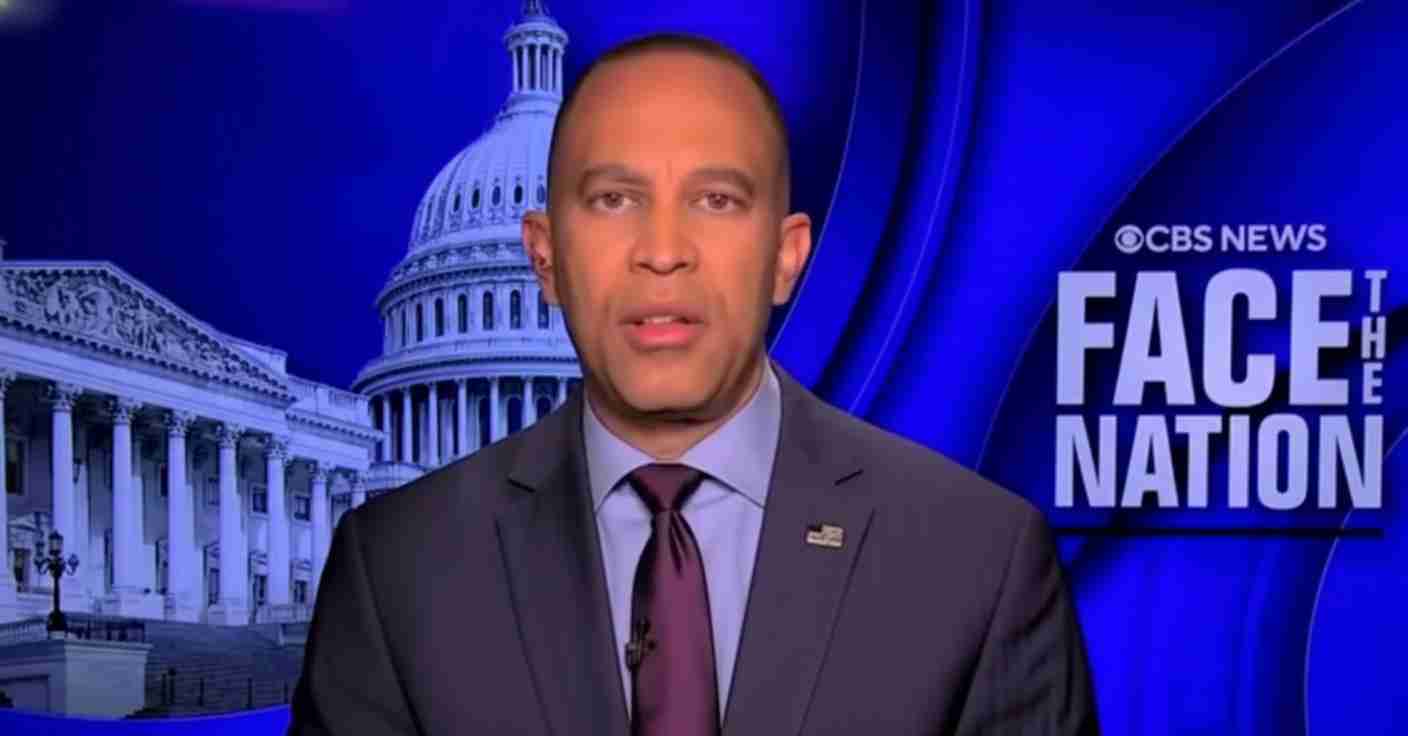
Jeffries Accuses GOP of Trying to “Rig” 2026 Midterms; Spars with CBS Host Over Election-Denial Claims
House Minority Leader Hakeem Jeffries accused Republican-led redistricting in states like Texas and North Carolina of attempting to “rig” the 2026 midterms, urging Democrats to mobilize nationwide to protect fair representation and contest disputed maps.
Key takeaways
- Jeffries warns GOP map changes could lock in power ahead of 2026 — see the Jeffries statement.
- Televised challenge: a CBS interview pressed Jeffries on claims about election-denial rhetoric.
- Legal and advocacy analysis: voting-rights groups outline differences between alleging fraud and documenting partisan gerrymandering — see the Brennan Center report.
What Jeffries said and why it matters
House Minority Leader Hakeem Jeffries has cast recent redistricting moves as more than routine partisan play. In a formal release and a string of interviews, he argued that Republican-led map changes in states such as Texas and North Carolina are intended to steal the 2026 midterm elections by making it easier for politicians to choose their voters. Read the full Jeffries press release.
Jeffries framed the argument with the phrase “politicians choosing their voters”, a shorthand critics use to describe partisan gerrymandering. He pointed to specific maps and legal maneuvers in Texas and North Carolina as evidence and warned those plans could skew control of Congress and statehouses before 2026. Video remarks expanding on the point are available in a public video from Jeffries’ office.
The CBS exchange: a pointed pushback
On national television, a CBS host asked whether calling maps attempts to “steal” elections riskedEchoing the rhetoric used by election deniers on the right. The host noted Jeffries’ past comment that there were “no election deniers” in the Democratic Party and asked whether that claim aligned with the more alarmed language.
Jeffries replied by distinguishing claims of fraudulent outcomes from claims that lawmakers are manipulating district lines to gain unfair advantage. He emphasized Democrats’ focus on litigation, congressional oversight, and organizing to challenge maps through legal avenues rather than alleging widespread voting fraud. Coverage of the exchange and related reporting is summarized in a news report.
The line between warning and alarm
Legal experts and voting-rights groups emphasize a clear distinction: alleging systemic vote fraud is fundamentally different from warning about partisan map drawing that can entrench power. Organizations like the Brennan Center document how gerrymandering can dilute representation, while advocacy groups caution against broad claims that may undermine trust without narrow, actionable evidence.
“Politicians choosing their voters” — Jeffries’ characterization of partisan gerrymandering and its threat to competitive elections.
Counterclaims and context: both parties accused
While Jeffries targets Republican maps, redistricting disputes cut both ways. The debate includes responses and proposals in states like California, where ballot measures such as Proposition 50 have drawn claims that Democrats might shift maps in reaction. That dynamic fuels a broader cycle in which each party accuses the other of undemocratic tactics.
Messaging and party strategy
Jeffries’ office has been actively recruiting staff and amplifying messaging to shape public perception of maps and election fairness. Reporting on recruitment and communications strategy is available in a detailed news piece. Democrats say their approach is defensive — focused on litigation and public organizing — while Republicans argue litigation and partisan line drawing are longstanding tools in electoral politics.
Legal fights and the courts
Court challenges are already active in multiple states. Judges may rule that maps violate state constitutions or federal law, potentially ordering new lines, freezing plans, or allowing contested maps to stand. The timing of rulings — and whether injunctions issue before ballots are set — will shape the practical landscape for 2026.
Sources and evidence: what’s public
Key public materials underpinning the debate include Jeffries’ communications and video remarks, national interview coverage, and analysis from voting-rights organizations:
- Jeffries press release and statement
- Jeffries video remarks
- CBS interview coverage
- Reporting on Jeffries’ staff recruiting and messaging
- Brennan Center analysis on election-claim refutations
- Background on California Proposition 50 and related measures
Implications for the United States
- Political consequences: disputed lines could reshape control of the House and statehouses, giving a structural edge for an election cycle.
- Voter confidence and turnout: broad claims that elections are being “rigged” can depress trust and influence turnout; transparent communication and evidence-based rulings matter.
- Legal and administrative costs: prolonged litigation consumes public resources and may affect election calendars.
- Community impact: maps that split or pack communities can weaken representation and alter policy priorities.
- Civic norms: continued escalation over mapmaking risks normalizing legal game-playing rather than bipartisan fixes.
Practical effects for voters
District-line changes will move voters into new districts with different candidates and potentially different polling locations. Election offices and officials must provide clear outreach so voters understand any changes ahead of 2026.
Reporting and sources
Journalists, lawmakers, and voters should watch upcoming court rulings, state map draws, and party messaging as the country moves toward the 2026 midterms. Full source links cited above include the Jeffries statement, his video remarks, the CBS interview, reporting on recruitment and messaging in news coverage, and analysis from the Brennan Center. Background on contested measures is available via California Proposition 50.



