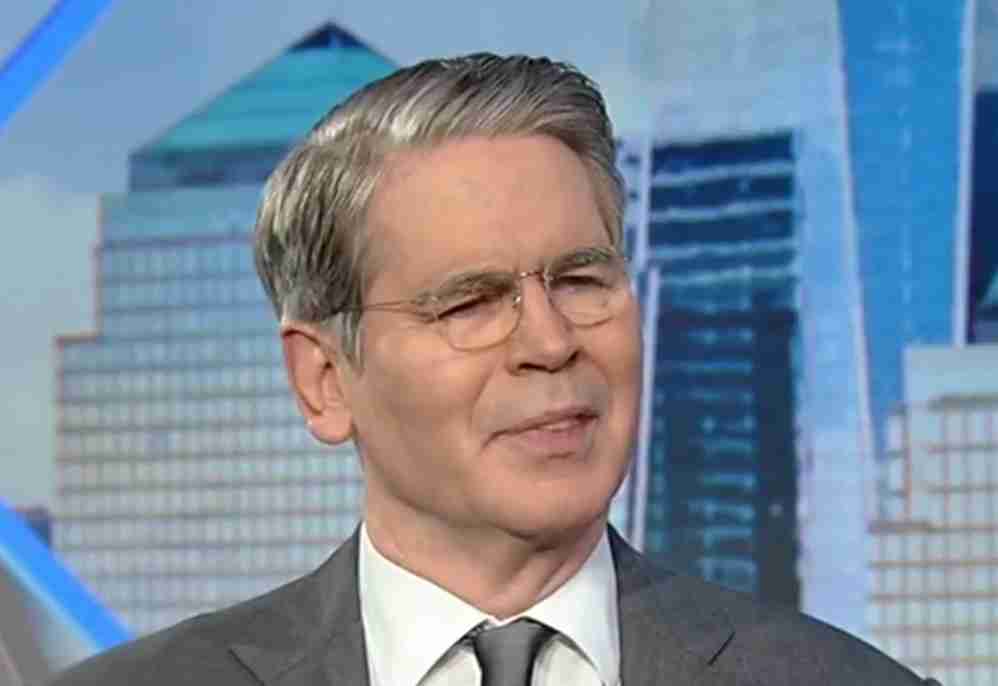
Treasury’s Scott Bessent Issues Stark “Drop Dead” Warning — No Federal Bailout if Zohran Mamdani’s Agenda Is Enacted
Lede: U.S. Treasury Secretary Scott Bessent warned New York City would not receive a federal bailout if mayoral frontrunner Zohran Mamdani enacts his platform, invoking the 1975 “Drop Dead” moment to underscore limits on federal intervention now.
- Key takeaways:
- Bessent warned the federal government would refuse a bailout if Mamdani’s policies precipitate a fiscal crisis.
- He tied proposals like rent freezes and free services to fiscal risk and called Mamdani a “socialist protégé.”
- The exchange revives the 1975 “Ford to City: ‘Drop Dead’” memory and raises debate on federal limits.
Bessent’s warning and its historical echo
Treasury Secretary Scott Bessent said the federal response to a New York City fiscal crisis tied to Zohran Mamdani’s promises would mirror President Gerald Ford’s 1975 refusal to bail out the city — the infamous “Drop Dead” moment. Sources cited for the remarks include AOL, The Straits Times, and a video of the exchange on YouTube.
Historical context: In 1975 the city nearly defaulted and President Ford declined federal assistance, prompting state-led financial controls. Bessent invoked the episode to emphasize political and fiscal limits on federal intervention today.
What Bessent said about Mamdani’s proposals
Bessent characterized Mamdani as a “socialist protégé” and flagged specific policy ideas as risky, including rent freezes, free city buses, city-owned grocery stores, and free childcare. He suggested those programs — to be funded by higher corporate taxes and a proposed 2% tax on city residents earning over $1 million — could strain the city’s finances. (Source: AOL.)
Bessent did not identify a single policy that would trigger a crisis; instead he framed the overall policy mix as sufficiently risky that the federal government would decline to act as an insurer for local choices.
Zohran Mamdani’s platform: affordability front and center
Mamdani’s campaign centers on affordability, proposing large public investments and expanded services to lower living costs for renters, commuters and working families. Supporters say these steps target inequality and protect city life; critics warn they could erode the tax base if businesses or high earners leave.
Reporting on the campaign and polling notes Mamdani won the Democratic primary with roughly 56% of the vote. (Sources: AOL; Marist poll.)
Where Mamdani stands in the race
Mamdani is the Democratic nominee after winning a decisive primary. He faces a diverse field that includes figures like former Governor Andrew Cuomo and others, and polling shows notable Democratic support. (Sources: Marist poll; City & State; Wikipedia.)
Reactions and responses
Reporters asked Mamdani’s campaign about Bessent’s remarks; at the time this story was filed there was no immediate campaign response. Observers reacted quickly: fiscal conservatives and centrists used Bessent’s words as a cautionary example, while progressives and Mamdani supporters defended ambitious affordability measures as necessary.
Policy analysts emphasize details matter — phasing, cost controls, oversight and measures to preserve or grow the tax base will determine outcomes. They also note federal intervention in municipal finance is rare and politically fraught.
Fiscal outlook and the limits of federal aid
Federal bailouts of municipalities are uncommon. Typical responses to deep fiscal stress involve state oversight, federal loan programs, or emergency measures — not blanket federal operating bailouts. Bessent’s statement underscores that federal help is not an automatic backstop for local policy choices. (Sources: AOL; The Straits Times.)
Implications for the United States
Economic impact
- National markets watch large-city finances; a New York fiscal crisis could ripple through municipal bond markets and investor confidence.
- Federal reluctance to bail out cities may lead states and municipalities to tighten budgets, cut services or raise local taxes — actions that could slow local growth and affect jobs.
Political consequences
- Bessent’s public warning elevates fiscal prudence as a national talking point and may pressure moderates to seek clear cost estimates and phased plans.
- Progressives may be energized to push harder for local reforms if federal resistance is perceived as an obstacle.
Social effects
- A fiscal shortfall could delay or cut services affecting renters, commuters, childcare recipients and low-income residents.
- If ambitious programs succeed, they could become a model for other cities addressing cost-of-living pressures nationwide.
Cultural relevance
Beyond budgets, the debate is about the role of big cities as laboratories for social policy versus being constrained by market and fiscal realities. The “Drop Dead” reference ties present disputes to a long-running national narrative about federalism and responsibility.
Practical applications for local leaders and voters
- Local officials should provide transparent cost estimates, phased rollouts and contingency plans when proposing new programs.
- Voters will increasingly demand plans that protect fiscal health while addressing affordability, and candidates will face closer scrutiny on implementation details.
Reporting note and sources
This article draws on statements and reporting from multiple outlets and public materials, including coverage of Scott Bessent’s remarks and reporting on Zohran Mamdani’s campaign platform. Sources used:
- AOL News
- The Straits Times
- Video of the exchange (YouTube)
- Marist Poll on the NYC mayoralty
- City & State reporting on the mayoral field
- Background on the 2025 mayoral election
No response from the Mamdani campaign had been posted when this story was filed. Future statements and detailed fiscal analyses may change how the debate unfolds.