
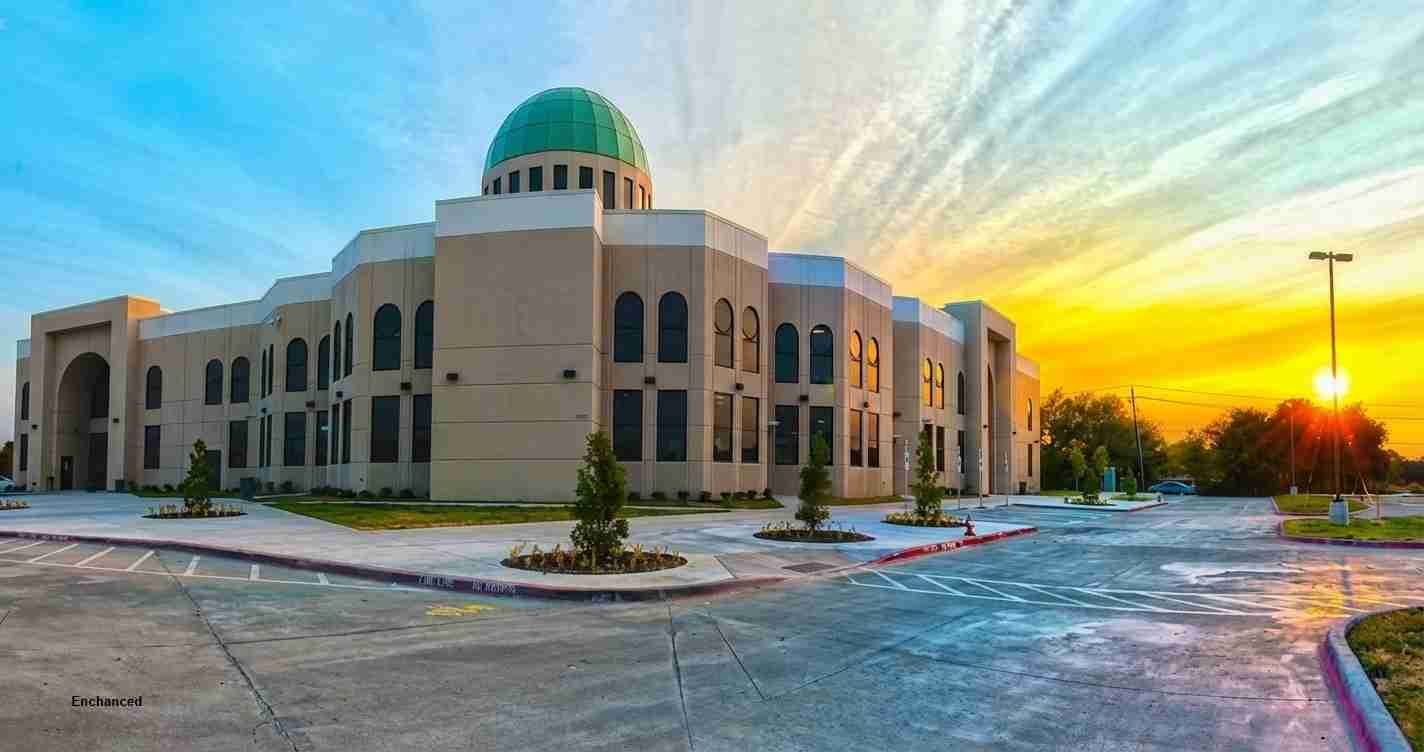
Paxton sues Plano mosque, developers behind “EPIC City” in bid to halt alleged EPIC City development fraud and Muslims‑only community marketing
Texas Attorney General Ken Paxton filed a civil enforcement lawsuit against East Plano Islamic Center (EPIC) and Community Capital Partners LLC over the proposed EPIC City/The Meadow project, alleging unregistered securities, misleading marketing and promotion of a Muslims‑exclusive community under Texas law.
Key takeaways
- Defendants: East Plano Islamic Center (EPIC), Community Capital Partners LLC and individual leaders tied to the project (KERA).
- Allegations: Unregistered securities offerings, failure to verify accredited investors, fraudulent solicitations and advertising a religion‑based, Muslims‑only community.
- Relief sought: Temporary restraining order, permanent injunction, civil penalties and investor relief including restitution or disgorgement.
Background on EPIC City and defendants
EPIC City — also called The Meadow for part of the proposal — was promoted as a master‑planned community spanning hundreds of acres in rural North Texas. Paxton’s lawsuit, filed in a Texas district court in early December after a months‑long probe, alleges EPIC and Community Capital Partners marketed the development around Muslim lifestyle amenities and targeted Muslim buyers and investors.
The complaint claims marketing materials crossed from being merely faith‑friendly into promoting a religion‑exclusive enclave and misstated basic facts about the project’s location: promotional materials identified the project as being in the town of Josephine when the land is actually in unincorporated territory between Collin and Hunt counties. That discrepancy is central to the state’s assertion that investors and buyers were misled (KERA).
Securities allegations: unregistered offerings and vetting failures
Paxton’s office frames the case primarily as a securities enforcement action. The complaint contends that the interests sold to investors in EPIC City/The Meadow qualify as securities under Texas law and were offered and sold without proper registration or a valid exemption.
The state alleges defendants failed to lawfully verify that purchasers met the criteria for “accredited investor” status and that sales pitches omitted required disclosures. Investigators reviewed online promotional videos and solicitations; the complaint asserts that some videos presented marketing claims not reflected in formal offering documents, which the AG says signals fraudulent and misleading solicitation in violation of the Texas Securities Act (KERA).
Alleged Muslims‑only marketing and fair‑housing claims
Beyond securities violations, the suit raises civil‑rights concerns. The AG alleges EPIC City was marketed as a “Muslims‑only” or Muslims‑exclusive community. Under Texas fair‑housing and public‑accommodation laws, advertising housing as available only to members of a particular religion can violate rules that mirror federal fair‑housing principles.
Paxton’s filing contends promotional language and imagery shifted the project from being faith‑oriented to effectively excluding non‑Muslims.
If proven, the state argues, that pattern would support civil‑rights enforcement in addition to securities penalties (KERA).
Paxton’s rhetoric and public messaging
In statements accompanying the filing, Paxton characterized the project in stark terms, calling it a “radical plot to destroy hundreds of acres of beautiful Texas land and line their own pockets.” He pledged to use “the full force of the law” against what he described as an “unlawful land project” and a “fraudulent operation,” combining investor‑protection language with environmental and land‑use rhetoric (KERA).
Investigation timeline and evidence collected
Paxton’s office opened a securities investigation in March. Over subsequent months investigators collected more than 750 documents and written responses from Community Capital and related entities, reviewed promotional videos and other materials, and in November sent a detailed letter to the Texas State Securities Board describing alleged violations.
The state filed its civil enforcement lawsuit in early December and publicly announced the action (KERA).
Relief requested in the lawsuit
The complaint requests immediate and long‑term court orders, including:
- Temporary restraining order (TRO): to halt sales, promotion and development tied to EPIC City while the case proceeds.
- Permanent injunction: to stop the project as proposed and bar defendants from conducting similar securities offerings without compliance.
- Civil penalties and investor relief: restitution or disgorgement (the filing did not list exact dollar amounts in the reporting).
Responses and open questions
As of the latest reporting, no formal public response from EPIC or Community Capital Partners had been published by reporters. The matter remains at an early litigation stage focused on TRO and preliminary injunction requests. Defendants may contest the characterization of the interests as securities, deny investor deception, and assert that marketing was targeted rather than exclusive.
Open questions include: the number of investors and total funds raised, the precise wording of disputed marketing materials, whether the Texas State Securities Board will open a parallel administrative action, and timing of court hearings (KERA).
Legal and policy context
The case intersects two legal regimes: the Texas Securities Act, which requires registration or a valid exemption for offerings and prohibits fraud, and Texas fair‑housing and public‑accommodation rules that bar advertising housing as available only to members of a particular religion. Paxton’s complaint ties alleged financial misrepresentations and religion‑based exclusivity into a pattern the state says justifies both securities penalties and civil‑rights enforcement (KERA).
Implications for the United States
Potential national effects include:
- Investor protection: States may more closely scrutinize faith‑linked real estate solicitations and enforcement could spread if courts support Paxton’s arguments.
- Housing policy and civil rights: A ruling against religion‑exclusive marketing would reinforce fair‑housing norms and shape how faith‑oriented projects are advertised.
- Land‑use debates: Combining fraud claims with environmental and land‑use rhetoric could influence review of rural developments in other states.
- Political and cultural fallout: The litigation may draw attention from civil‑liberties and faith groups and spark broader debate over religious community planning and nondiscrimination rules.
- Enforcement posture: The AG’s dual pursuit of TROs and permanent bans signals aggressive state enforcement and potential coordination with the Texas State Securities Board.
Reporting note
This article draws from the Texas Attorney General’s enforcement filing and reporting by KERA on Dec. 5, 2025. The KERA report includes details of the complaint, Paxton’s statements and the timeline of the probe; defendants had not filed a public response quoted in that reporting at the time of publication.
Source: KERA


