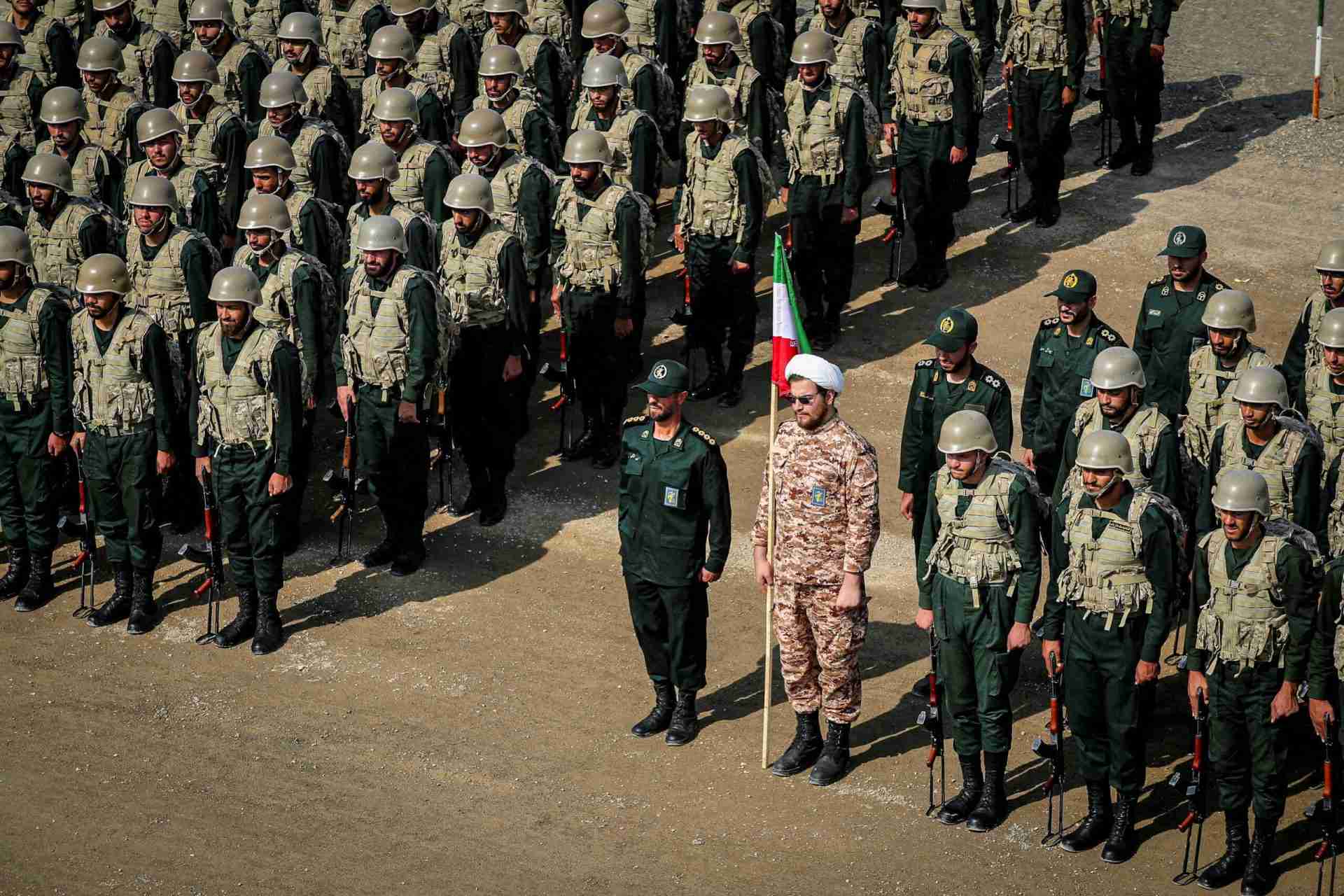
TEHRAN, Iran, June 19 (World Daily Times) — Reuters reported that Iran’s Revolutionary Guard set up small covert cells in Iraq to launch drone attacks on Gulf states that host American forces, a move that, if accurate, would show a shift toward tighter and more deniable networks in the region.
According to eight Iraqi sources cited by Reuters — including two Iraqi military officials, one security official and five local militia commanders — the Islamic Revolutionary Guard Corps created three or four cells, each with about 10 elite Shi’ite fighters, to bypass established militia networks and avoid detection. The sources said some members were drawn from Islamic Resistance in Iraq, an umbrella group of hardline factions, but that the new cells operated outside its command structure and reported directly to the IRGC.
Three Iraqi security sources told Reuters the cells carried out at least seven drone attacks from desert locations near Basra and Samawa in southern Iraq between April 20 and May 17. The reported targets were in Kuwait, Saudi Arabia and the United Arab Emirates. Those sources said their assessment relied on human intelligence, intercepted communications and evidence gathered from the launch sites.
The alleged use of smaller cells matters because it would make attribution harder. If attacks are routed through a separate chain of command instead of through a known militia umbrella, it can complicate efforts by Iraqi, Gulf and U.S. officials to trace responsibility and respond. Iraqi officials cited by Reuters said the purpose was to preserve plausible deniability, shift blame away from the best-known Iran-backed groups and reduce U.S. pressure on Baghdad to disarm them.
The report did not name any suspects, arrests or court cases, and the allegations remain untested in public documents provided with the story. What it does show is how regional security threats can be carried out from Iraqi territory through a network built to stay hidden, making cross-border drone attacks harder to pin on any one group.