
Trump Labels Cartel de los Soles an FTO; Claims of a U.S. “Blockade” and an FTO for the Entire Venezuelan Regime Are Not Supported by Official Record
Recent reports claiming the U.S. labeled the entire Venezuelan regime an FTO or imposed a total oil blockade are not supported by official documents. This article clarifies what the Trump administration and the State Department officially did.
- Executive action created a designation process — a January 2025 White House order set procedures and a national emergency.
- Cartel de los Soles named an FTO — on Nov. 24, 2025 the State Department designated Cartel de los Soles, describing it as “based in Venezuela” and “headed by Nicolás Maduro.”
- No official record of a regime-wide FTO or total oil blockade — public documents do not show the sovereign Venezuelan government was labeled an FTO nor that a blanket naval/commercial oil blockade was ordered.
- Congress emphasizes limits on force — H. Con. Res. 51 stresses that FTO designations do not authorize military action without congressional approval (House concurrent resolution (H. Con. Res. 51)).
What the U.S. government actually did
In January 2025 the White House issued an executive order to provide tools to treat violent transnational criminal groups like terrorist organizations when appropriate. The order directed the State Department, Treasury and Justice Department to identify and recommend cartels or similar groups for FTO or SDGT status within a short timeframe and declared a national emergency under the IEEPA.
Later, the State Department used those authorities to designate Cartel de los Soles an FTO on Nov. 24, 2025. The announcement described the group as based in Venezuela
and headed by Nicolás Maduro
, and it imposed sanctions and criminal penalties for material support while freezing U.S.-related assets tied to the group.
What is not supported by the official record
- No FTO designation for the sovereign Venezuelan government — public White House and State Department documents identify Cartel de los Soles as the designated organization, not the Maduro administration or the state itself (State Department).
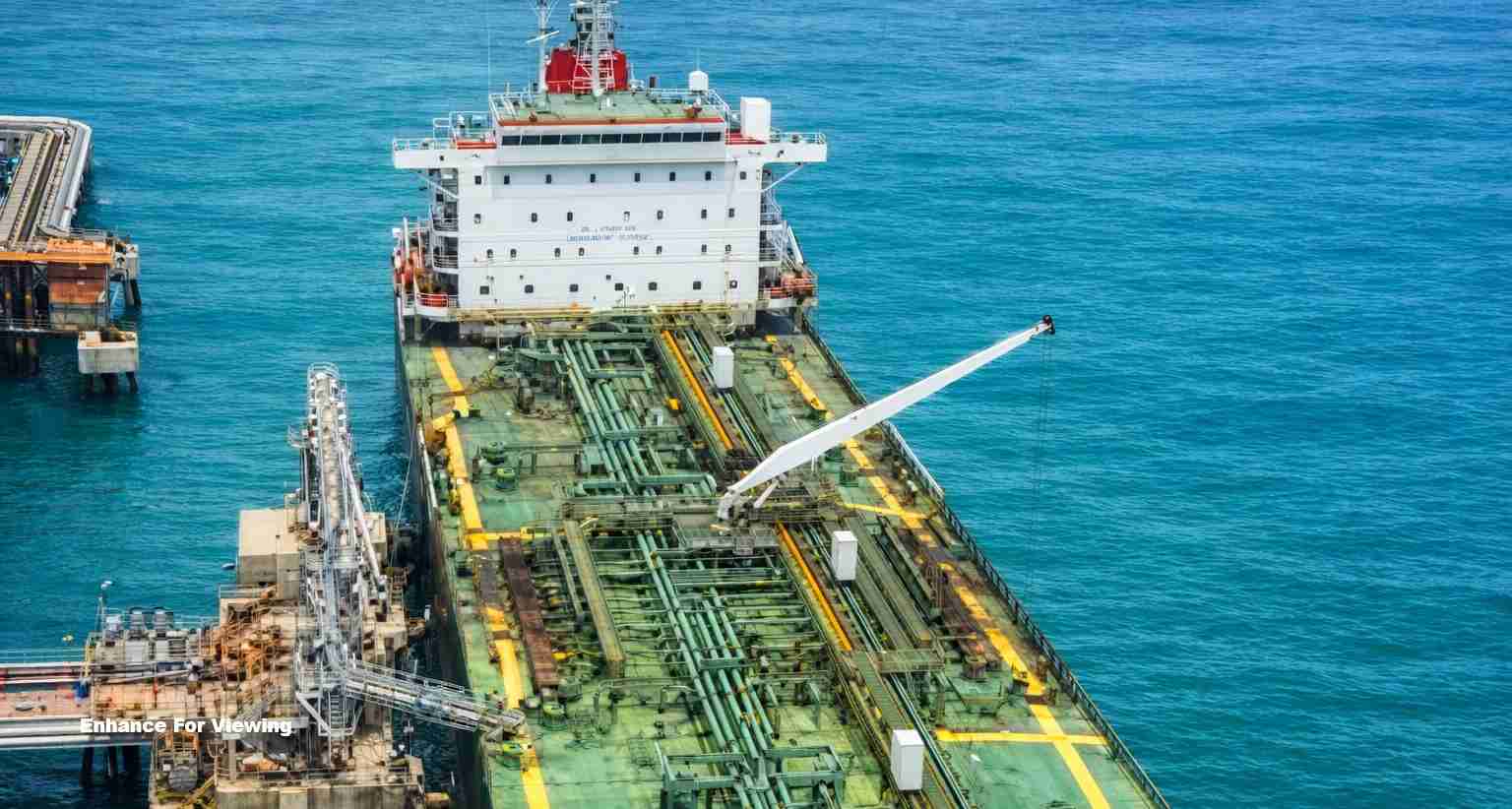
- No published order for a total naval/commercial oil blockade — there is no executive order or Defense Department statement announcing a blanket blockade of all tankers entering or leaving Venezuela; maritime enforcement and targeted sanctions are distinct measures.
- No language about “stolen U.S. oil fields” in the cited documents — the executive order and the FTO announcement cite corruption, trafficking and illicit use of resources but do not claim Venezuela stole U.S. oil fields (White House; State Department).
Legal and congressional context
Congress has explicitly warned that FTO or SDGT listings do not confer authority to use military force. The 2025 House concurrent resolution (H. Con. Res. 51) notes Congress has not authorized force against Venezuela and that such designations provide no legal authority for the President to direct military action.
That distinction matters: FTO designation is primarily a sanctions and criminal enforcement tool — it increases penalties for support and disrupts finances, but it does not automatically create war powers. Legal scholars and lawmakers emphasize that any kinetic action would require a separate congressional authorization.
How the dramatic framing likely arose
Alarmist headlines and social posts often conflate the State Department’s language that Cartel de los Soles is based in Venezuela
and headed by Nicolás Maduro
with a formal state-level FTO finding. That conflation permits headlines to imply the entire government was labeled a terrorist regime.
“Sensational or editorialized social posts sometimes portray enhanced sanctions and maritime enforcement as a ‘blockade.’”
Some posts and videos simplify the story into a faster narrative — that “the regime” was declared an FTO and that tankers were blocked — but those claims go beyond the public documents. A widely shared YouTube video and other social media amplified this condensed framing.
Implications for the United States
Economic impact — energy and markets
U.S. refiners and fuel markets monitor Venezuelan oil closely. Targeted sanctions that affect shipping, insurers or firms handling Venezuelan crude can increase import costs and shift supply lines. A focused FTO designation like Cartel de los Soles can deter companies from handling Venezuelan loads, adding friction to global oil markets and potentially raising prices for American consumers.
Political consequences — oversight and separation of powers
The congressional resolution signals lawmakers’ concern about executive overreach. For audiences that value constitutional checks, the record shows lawmakers asserting their role; they may demand hearings or votes if the administration considers kinetic measures.
National security — counterterrorism and organized crime
Treating violent transnational criminal groups as FTOs narrows distinctions between organized crime and terrorism. This unlocks tools to target finances and networks but raises legal and operational questions when groups overlap with government institutions. The Cartel de los Soles designation, which alleges Maduro’s leadership role, may complicate diplomacy and intelligence operations.
Social and humanitarian effects
Harsh sanctions risk worsening conditions for Venezuelan civilians. Targeted measures aim at leaders and networks, but indirect effects on oil revenue and shipping can exacerbate shortages and migration pressures, potentially increasing demands on U.S. border policy and refugee programs.
Legal and diplomatic fallout
Designating a Venezuelan-based cartel tied to Maduro raises diplomatic tensions with countries that oppose unilateral U.S. sanctions. Allies will watch whether the U.S. maintains narrow organization-level measures or adopts broader steps that could be characterized as a blockade. The American legal posture — prioritizing sanctions, criminal charges and FTO labels over military action — will shape coalition-building and international responses.
Practical effects for Americans
Businesses importing oil or providing maritime services must weigh heightened legal risks dealing with Venezuelan shipments. Financial institutions and insurers often avoid transactions tied to designated networks. Travelers and service members should note increased tensions in the Caribbean and Gulf of Mexico, where U.S. naval activity has risen.
For Republicans and conservatives who favor strong action against Maduro, the record offers tools and limits: the administration can pursue targeted sanctions and criminal measures, but congressional debate is likely before any kinetic or blockade-style move is authorized (State Department; White House).



