Steamboat Geyser in Yellowstone Has Gone Quiet — Scientists Puzzled as the World’s Tallest Active Geyser Falls Silent
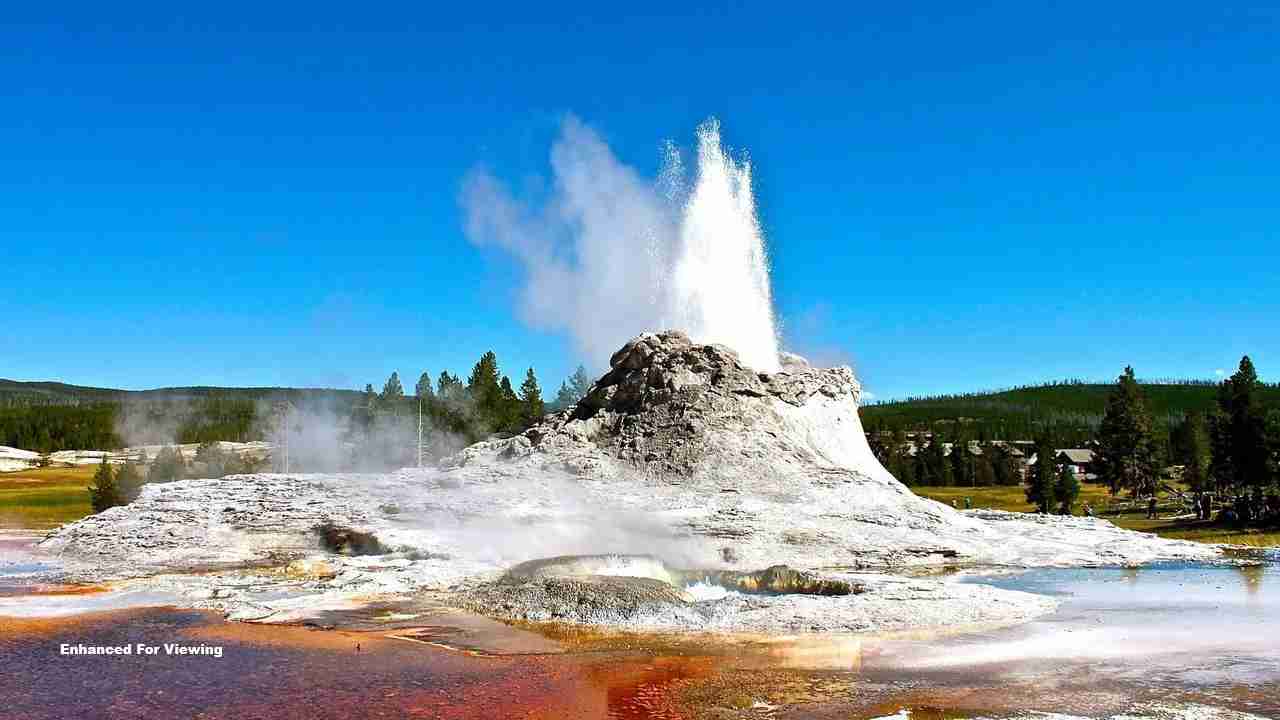
Steamboat Geyser in Yellowstone has fallen unusually quiet since its last major eruption on April 14, 2025, prompting scientists to ask whether the world’s tallest active geyser is reverting to its historic pattern of long, unpredictable dormancies again.
- Steamboat Geyser is the world’s tallest active geyser, capable of >300‑foot eruptions.
- Intervals between majors vary hugely — from about three days to gaps of roughly 50 years, per NPS records.
- The geyser saw an exceptional surge in 2018–2020, then declined through 2024 and has been largely quiet since its April 14, 2025 major eruption.
- Scientists continue monitoring hydrothermal signals and public observations via resources such as GeyserTimes and the Yellowstone Volcano Observatory / USGS.
The historic pattern: bursts and long silences
Steamboat’s recorded behavior reaches back to at least 1878 and has always been notably erratic. Long energetic phases alternate with extended quiet: one of the most striking pauses ran roughly from 1911 to 1961 — about a 50‑year gap cited by the National Park Service and later reporting.
The mid‑century rebound and earthquakes
After the 1959 Hebgen Lake earthquake, Steamboat erupted in 1961 following decades of silence. Some researchers note that seismic events can alter hydrothermal plumbing and potentially trigger eruptions, but no direct, proven causation between large quakes and Steamboat’s behavior has been established (NPS).
Late 20th century lull
Through the 1990s Steamboat was quiet: from 1991 to 2000 it produced just one major eruption, making sightings rare. Observers noted the geyser’s grandeur when active and long silence otherwise (local reporting).
The 2018–2020 boom: an unprecedented modern surge
Beginning March 15, 2018, Steamboat emerged from dormancy into an extraordinary phase of activity unmatched in the instrumental record. Researchers and citizen observers tracked a flurry of majors and short intervals:
- 2018: 32 major eruptions (reporting).
- 2019: 48 majors — one of the two peak years on record (report; NPS).
- 2020: 48 majors again, matching 2019 (local).
During that boom, intervals between majors could be as short as about three days. Many majors were preceded by minor surface unrest or splashing, a pattern that helped scientists learn more about the geyser’s near‑surface dynamics (NPS; GeyserTimes).
The slow decline after the boom
After 2020 the frequency of major eruptions declined: roughly 20 majors in 2021, about 11 in 2022, nine in 2023 and six in 2024, according to compiled records (reporting; USGS). Even with fewer majors, Steamboat still produced powerful ~300‑foot jets and extended steam phases.
2025 slowdown and the latest lull
2025 showed a pronounced reduction in activity. Only two major eruptions were recorded that year, the last on April 14, 2025. By early December 2025, more than 200–230 days had passed without another major, marking a sustained quiet since April (coverage; Cowboy State Daily).
Why has Steamboat gone quiet? The unanswered questions
Scientists do not yet know the cause of the current lull. Monitoring shows the system still emits steam and displays minor activity, so Steamboat is not fully dormant (USGS; local reporting).
Leading hypotheses (unproven):
- Mineral precipitation may slowly clog parts of the underground plumbing, preventing the pressure buildup needed for a major burst (analysis).
- Shifts in the heat source — location or intensity changes could alter how water and steam reach the surface (USGS; report).
- Some pauses may be coincidental — part of the geyser’s long history of alternating high activity and long silences (NPS).
“Steamboat’s behavior remains difficult to forecast; short‑term patterns from the 2018–2020 boom no longer reliably predict majors,” said Yellowstone Volcano Observatory scientists including Mike Poland (USGS).
Geyser behavior and how eruptions work
Major Steamboat eruptions typically begin with a water phase lasting minutes to nearly an hour, followed by an intense steam phase that can continue for hours or days. The resulting jets can exceed 300 feet, a scale that makes Steamboat unique globally (NPS).
Unlike Old Faithful, Steamboat is not predictable. Its record shows extreme swings in frequency and quiescence length, making forecasting challenging.
Monitoring and public observation
The 2018–2020 boom benefitted from dense monitoring and vigorous public interest. Platforms such as GeyserTimes collect observations submitted by researchers and visitors. The National Park Service and USGS continue to track thermal and seismic data to understand the hydrothermal system beneath Norris Geyser Basin (NPS; USGS).
Implications for the United States
Economic: Yellowstone supports regional tourism in Wyoming, Montana and Idaho. High‑profile eruptions can boost lodging and services, though a prolonged quiet likely only reduces occasional tourism spikes tied to big shows (NPS).
Political & social: Interest in Steamboat can prompt questions about park funding, monitoring and staffing. The boom years offered educators and communities frequent shared experiences; a return to long quiet periods will alter that rhythm but not reduce overall public interest in Yellowstone’s natural wonders.
Practical applications for residents and visitors
Park managers and local businesses are advised to keep public information current. Visitors hoping to see a Steamboat eruption should check live resources such as GeyserTimes and NPS updates before traveling. Scientists counsel patience: Steamboat may erupt with little warning, or return to long dormancy, so plan to enjoy other park features as well.