
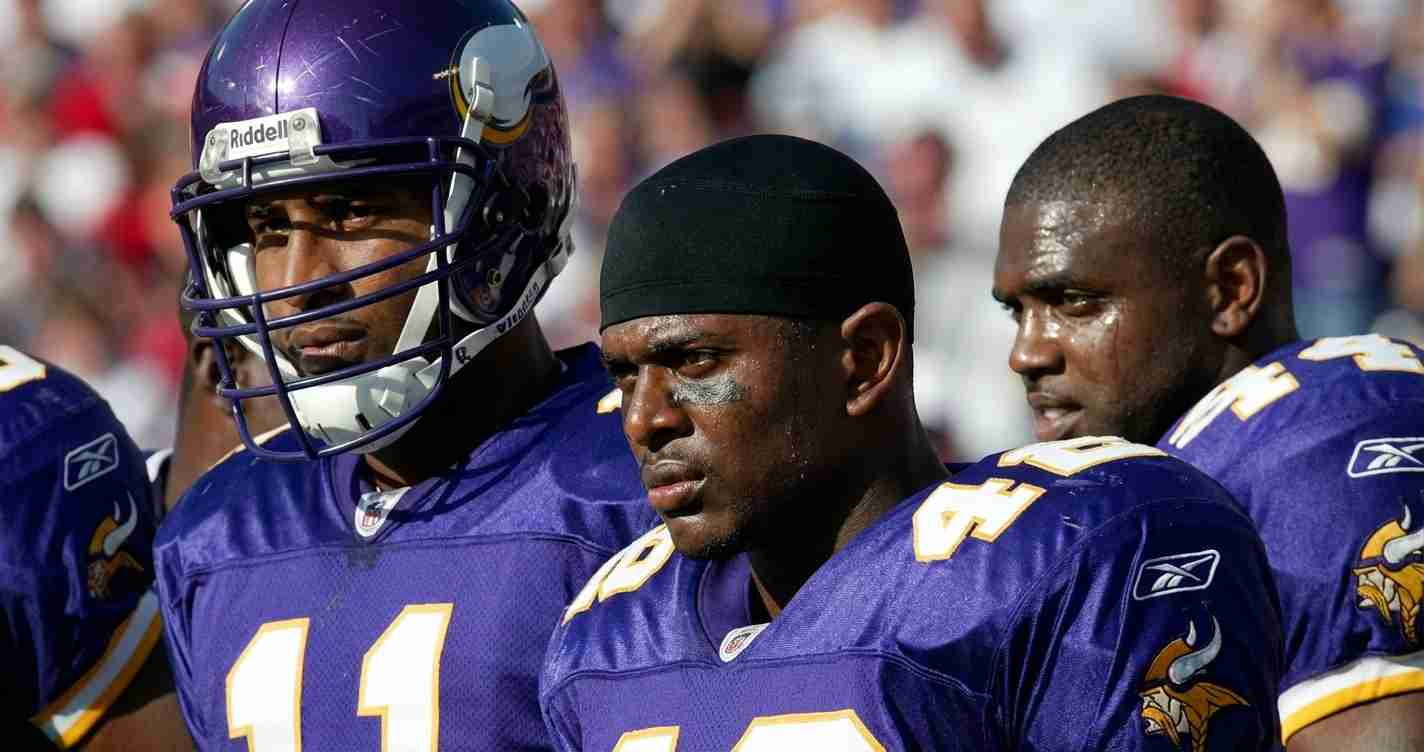
Former Vikings Captain Jack Brewer Alleges Somali “Elite” Used Minnesota Welfare Funds for Luxury Businesses as Fraud Probe Widens
Former Minnesota Vikings captain Jack Brewer alleges that welfare funds in Minnesota were diverted by an alleged “Somali elite” to finance luxury cars and high-end businesses, claims that surfaced amid widening probes into billions in federal program payments.
Key takeaways
- High-profile allegation: Jack Brewer publicly claims Minnesota welfare funds were funneled to finance luxury purchases and businesses tied to a so-called “Somali elite.”
- Investigations ongoing: Activists Ryan Thorpe and Christopher F. Rufo have reported alleged transfers to Somalia and possible counterterrorism concerns; those claims cite unnamed sources and remain unverified publicly.
- Community response: Somali leaders and elected officials deny collective wrongdoing and call for accountability focused on individuals rather than entire communities.
- Verification gaps: Reporters have not located public court filings or audit trails that conclusively link named vendors to the luxury purchases or to Al-Shabab funding.
Main content
Brewer’s allegations and the fraud investigation
Jack Brewer spoke publicly in early January 2026, criticizing state leadership and asserting that what he described as lavish spending by a Somali elite was tied to broader fraud affecting Minnesota taxpayers. Brewer said he observed Somali business owners buying luxury vehicles and investing in high-end enterprises he believes were funded by welfare fraud (sources cited in reporting include Fox News, BizPacReview, AOL).
Brewer tied his remarks to reporting and activist investigations by Ryan Thorpe and Christopher F. Rufo, which the published accounts say include anonymous counterterrorism sources that flagged transfers from Minnesota programs — such as Medicaid Housing Stabilization Services and Feeding Our Future — to Somalia, with allegations some funds potentially reaching Al-Shabab (Fox News).
What the record shows — and what remains unverified
State officials have acknowledged problems in multiple aid programs and federal authorities have paused some payments while seeking documentation for child care funding. Local reporting has described empty or fraudulent daycare claims contributing to the broader fraud allegations (local reporting reference: KNEI radio).
Important caveat: Several elements of the more explosive claims — including specific ties between Minnesota welfare disbursements and luxury purchases like Bentleys or Maseratis, and any definitive transfer to Al-Shabab — were not independently confirmed in public records at the time of reporting. The investigative threads linking state payments to overseas transfers rely partly on activist reporting and unnamed counterterrorism sources (Fox News).
Responses from Somali community leaders and elected officials
Somali community leaders pushed back on Brewer’s broad characterizations, arguing that a small number of wrongdoers should not define an entire community. Leaders said they were angered by claims that they view as unfairly stigmatizing Somali Americans and urged that prosecutions and investigations focus on individuals who commit crimes, not on communities (Fox News, AOL).
Brewer named several Somali-American elected officials and community figures when discussing political influence; those figures have denied wrongdoing and said they will cooperate with legitimate probes. Because these are public allegations, they had not been established as proven in court at the time of reporting (Fox News).
Context: Minnesota’s Somali community and demographic data
Minnesota’s Somali population expanded notably after Somalia’s government collapse in 1991. Brewer referenced data showing that at least 5,123 Minnesota students reported Somali as their primary home language by 2002, citing National Institutes of Health figures as part of his remarks about the community’s growth (Fox News).
Why taxpayers are watching
Allegations that taxpayer funds were misused raise core questions about program oversight, auditing, and safeguards. For many Americans who prioritize fiscal accountability, the claims fuel calls for tighter controls and transparent investigations; for immigrant communities, the allegations bring concern about stigmatization and social tension (Fox News, KNEI radio).
Investigative gaps and what reporters are seeking
Reporters have highlighted several outstanding questions and documentary needs:
- Clear audit trails tracing alleged transfers of Minnesota taxpayer funds to Somalia.
- Public confirmation from federal counterterrorism agencies regarding any evidence that Al-Shabab received those funds.
- Records of specific transactions between Minnesota vendors or recipients and luxury-dealer purchases cited in public claims.
Until such documentation or legal filings are produced, assertions about overseas transfers and terror financing remain allegations that require verification (Fox News).
Implications for the United States of America
Economic impact: If program integrity is compromised in one state, federal programs administered by states may become vulnerable, prompting audits, delays, and increased uncertainty for legitimate providers and recipients.
Political consequences: Allegations tied to immigrant communities can reshape debates on immigration, nonprofit vetting and fiscal responsibility, potentially prompting hearings, audits and new accountability measures.
Social effects: Broad accusations against an ethnic community risk social tension; community leaders caution against stigmatizing whole populations while officials pursue fraud enforcement.
Cultural relevance: Minnesota’s Somali community has built businesses, houses of worship and civic participation over decades; allegations that label community elites as criminals touch on assimilation and public perception of immigrant success.
Practical applications for policymakers and the public
- Strengthen audits: More rigorous, real-time auditing of large disbursements such as child care and housing stabilization funds.
- Clearer vendor vetting: Standardize background checks and documentation requirements for vendors before payments are released.
- Transparent reporting: Demand public reporting of program payments and follow-up on allegations to preserve public confidence.
- Community partnership: Work with community leaders to prevent fraud while protecting civil liberties and avoiding stigmatization.
Reporting and next steps
This article cites reporting and public statements by Jack Brewer and activists. Where claims involve alleged transfers to Somalia or links to Al-Shabab, those points are attributed to activists and unnamed counterterrorism sources in the reporting and have not been independently verified by public court filings or law enforcement at the time of publication.
Readers and officials seeking documentation can review the original reports cited here and press state and federal authorities for audits and evidence. Key published sources include: Fox News, BizPacReview, AOL, video and clip sources (Fox News video, Fox.com clip) and local reporting (KNEI radio).
“Allegations should be rooted in documented evidence and followed with transparent legal processes; community reputations should not be sacrificed for unverified claims,” community leaders said in response to the reporting.



