
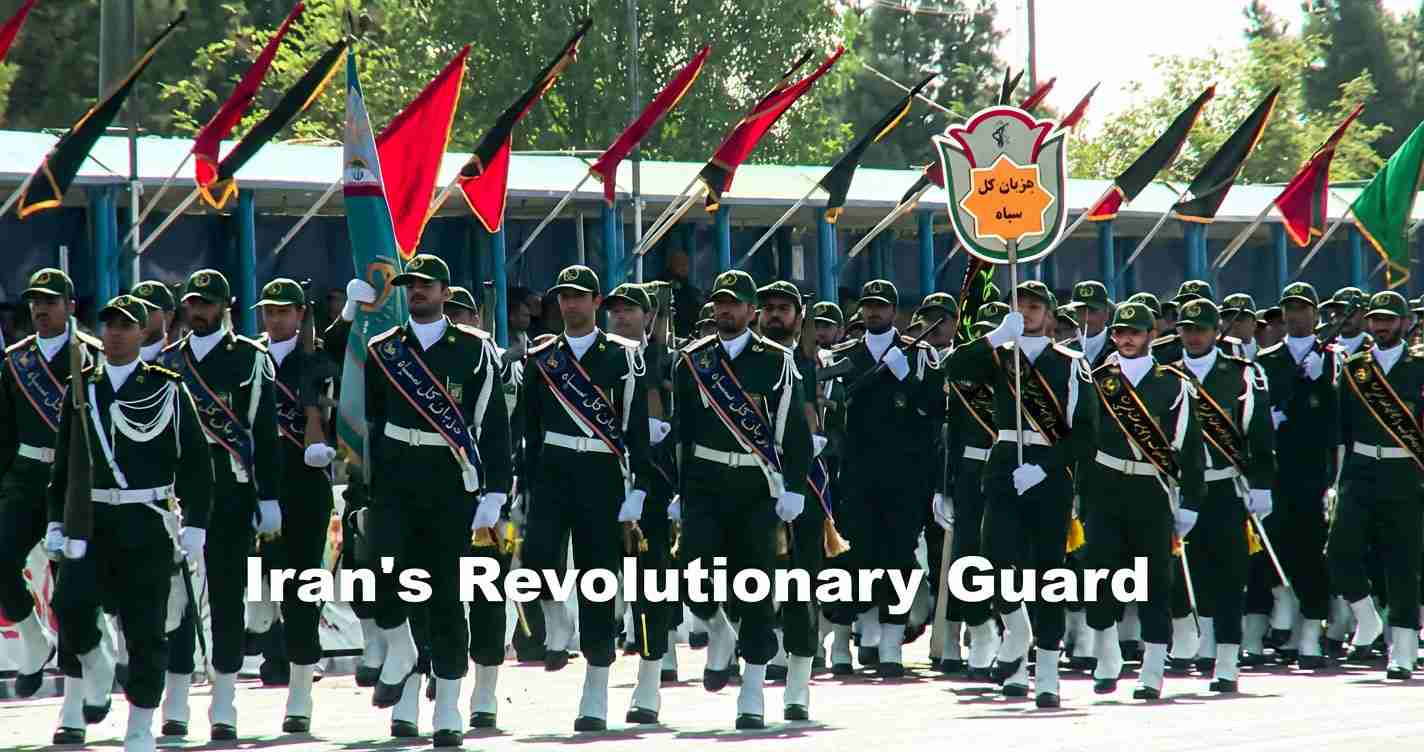
EU designates IRGC a terrorist group as new sanctions target Iranian officials
The European Union formally designated Iran’s Islamic Revolutionary Guard Corps (IRGC) as a terrorist organization on January 29, 2026, imposing asset freezes, travel bans and targeted sanctions against Iranian officials over human rights abuses amid anti‑government protests.
- IRGC listed: The EU placed the IRGC and branches — including the Basij militia and Quds Force — under immediate asset freezes and travel bans, per the statement and resolution.
- Targeted sanctions: More than 20 Iranian officials and entities were sanctioned for roles in the violent crackdown on protests, according to the European Parliament resolution.
- International concern: The package cites Iran’s military support for Russia and transnational repression (see related video report) and won backing from groups like the World Jewish Congress.
What the EU decided and why
At a foreign ministers’ meeting in Brussels on January 29, 2026, EU ministers agreed to formally list the Islamic Revolutionary Guard Corps as a terrorist organization, bringing its branches and affiliates under immediate sanctions.
Top EU diplomatic officials said the move responds to the IRGC’s role in domestic repression, human-rights violations and the use of proxies that “threaten EU security and Jewish communities in Europe.” Officials pointed to documented abuses and called for rapid enforcement of the new measures (see the European Parliament resolution and related video report).
Sanctions details and targets
The sanctions package targets more than 20 individuals and entities, including senior judicial and security figures blamed for ordering or enabling killings and mass arrests during protests that began on December 28, 2025. The EU document outlines asset freezes, travel bans and measures to restrict operational networks across Europe (European Parliament resolution).
EU leadership reaction
“Long overdue,” European Commission President Ursula von der Leyen wrote, condemning what she described as the “murderous Iranian regime.”
The World Jewish Congress welcomed the designation as recognizing the IRGC as a threat to European and global stability and called for swift enforcement to dismantle its networks (World Jewish Congress statement).
Legal and national follow-up: Germany and the UK
Germany pledged to translate the EU decision into German law “as soon as possible,” a necessary step for national courts and agencies to seize assets and pursue prosecutions. National implementation will determine how quickly the designation has practical effect inside member states (World Jewish Congress statement).
The United Kingdom said it will prepare domestic legislation to proscribe the IRGC as a hostile, state-linked organisation; lawmakers aim to match the political decision with national law even while some officials cautioned against “fast-tracking” the process (UK response and proposed legislation).
Iran’s response and risks of escalation
Iran’s foreign minister condemned the step as a “major strategic mistake”, insisting the IRGC is a counterterrorism force that would respond “immediately and powerfully” to perceived threats. Tehran framed the sanctions as escalatory and warned of consequences for European interests, raising concerns about tit‑for‑tat measures and regional tensions (video report).
Human rights focus and evidence cited
EU officials stressed the human-rights rationale: the designation points to the IRGC’s alleged role in extrajudicial killings, violent repression of protesters and coordination of networks targeting dissidents abroad. The preceding European Parliament resolution called for coordinated measures to protect EU territory and democratic institutions (European Parliament resolution).
Human-rights organizations and groups tracking Iran’s networks urged fast enforcement, noting that legal listings must be matched with law-enforcement actions across Europe to freeze funds and close safe havens.
How enforcement could work
Under EU rules the political agreement now moves to legal implementation: member states must adopt national measures to allow law enforcement to pursue frozen assets, enforce travel bans and open criminal investigations. Germany’s pledge to legislate promptly will be an early test of speed and coordination.
The World Jewish Congress urged coordinated intelligence sharing and joint action to dismantle networks operating across Europe (World Jewish Congress statement).
International coordination and US ties
Brussels called on partners to coordinate sanctions and enforcement, a move likely to draw Washington into closer alignment if the US chooses to mirror EU steps. The European Parliament explicitly urged coordination with allies such as the United States (European Parliament resolution).
Implications for United States
Economic impact
Trade and energy: Tighter restrictions on Iran could complicate Europe’s energy and trade ties with Tehran and produce knock-on effects in global oil markets, indirectly affecting US consumers and businesses.
Financial enforcement: Closer EU‑US coordination may bring additional joint asset freezes and increased scrutiny of transactions touching EU or US financial systems (World Jewish Congress statement).
Political consequences
The decision tightens transatlantic alignment on Iran’s repression and proxy activities and may push Washington and Brussels toward closer policy coordination on sanctions and law enforcement.
Iran’s warnings about responses to US naval deployments also highlight potential military escalation risks, requiring careful US policy balancing of deterrence and de‑escalation (video report).
Social and security effects
Counterterrorism: Designation may spur increased intelligence sharing and pressure on diaspora networks suspected of supporting repression.
Diaspora relations: Sanctions and listings could complicate life for Iranian expatriates and activists; US community groups will likely seek clear guidance to protect peaceful dissent and avoid overreach.
Practical applications for policymakers and citizens
- Policymakers: The EU move sets a precedent for listing state-linked military formations based on domestic repression and proxy warfare; US lawmakers may consider comparable legal tools and targeted sanctions.
- Businesses and travelers: Companies with EU ties should review compliance policies and prepare for tighter transaction screening and travel restrictions; individuals with Iran-related contacts should expect increased scrutiny.



