ORLANDO, Fla., July 7 (Our Florida Times) — A nonnative lizard that officials say is spreading through Central Florida is raising concern because of what it may do to native wildlife, not because it threatens people.
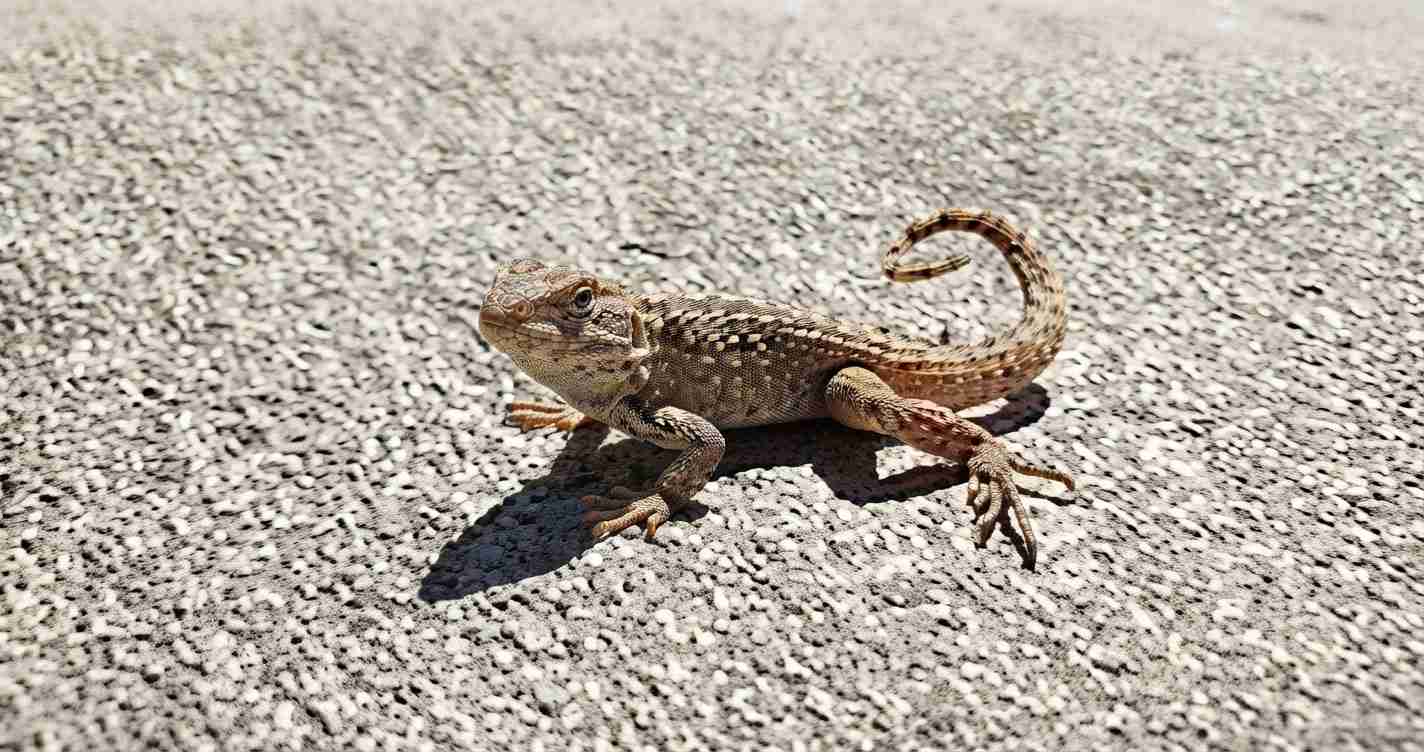
The species identified in the available reporting is the northern curly-tailed lizard, a reptile native to the Bahamas. UCF herpetologist Matthew Atkinson said the lizards are becoming “fairly common throughout most of Central Florida now” as they move up the peninsula, and he said they are “probably here to stay.”
What is this lizard?
The northern curly-tailed lizard is an invasive species in Florida, which means it is not native to the state and can spread in ways that may disrupt local ecosystems. The reporting says the lizard has been established in South Florida since the 1930s and is now moving farther north.
Officials say the lizards are often found around concrete and rocky areas, including parking lots and sidewalks. That makes them easy to spot in neighborhoods and commercial areas.
Why are officials worried?
The concern is that the lizards may compete with native wildlife for food and habitat. According to the reporting, wildlife officials say they prey on native species, especially the Carolina green anole. They also eat smaller lizards and eggs.
Atkinson also described what he called “invasive-on-invasive violence,” saying the lizards can prey on brown anoles, which are themselves invasive and spreading across Florida.
Officials have not said the lizard poses a threat to humans.
How certain is the evidence?
The available reporting does not include a population count for the lizard in Central Florida, a county-by-county spread map, or a peer-reviewed study measuring its ecological impact there.
So far, the concern is based on expert observation and wildlife officials’ warnings about the species’ behavior and likely effects on native animals. That means the risk is real enough for monitoring, but the size of the damage in Central Florida is not yet quantified in the material available.
What should residents do?
Wildlife officials recommend reporting sightings so the spread can be tracked. That can help agencies understand where the lizards are showing up and how quickly they are moving.
Part of a bigger Florida problem
The northern curly-tailed lizard is not the only invasive reptile getting attention in Florida. The U.S. Fish & Wildlife Service has also warned about Peter’s rock agama and the black and white tegu in South Florida. The agency says Peter’s rock agama competes with native lizards for food and habitat.
Taken together, the reports show a broader problem: Florida continues to deal with introduced reptiles that can establish quickly and spread across the state. The Central Florida lizard is the latest example officials are watching closely.