NEW YORK, Aug. 2 (Our New York News) — A Long Island patient’s confirmed Bourbon virus infection is drawing attention to a rare tick-borne illness with no vaccine or specific medicine, but the finding does not show that tick bites commonly lead to the disease.
Stony Brook Medicine researchers reported New York State’s first confirmed Bourbon virus infection after studying people in Suffolk County who became sick after tick bites. The case involved severe illness and hospitalization, but the patient survived.
For most people, the practical takeaway is to reduce tick exposure and tell a health care provider about a recent tick bite if fever or other symptoms develop. The Centers for Disease Control and Prevention says no vaccine or medicine is available to prevent or treat Bourbon virus disease.
What is Bourbon virus?
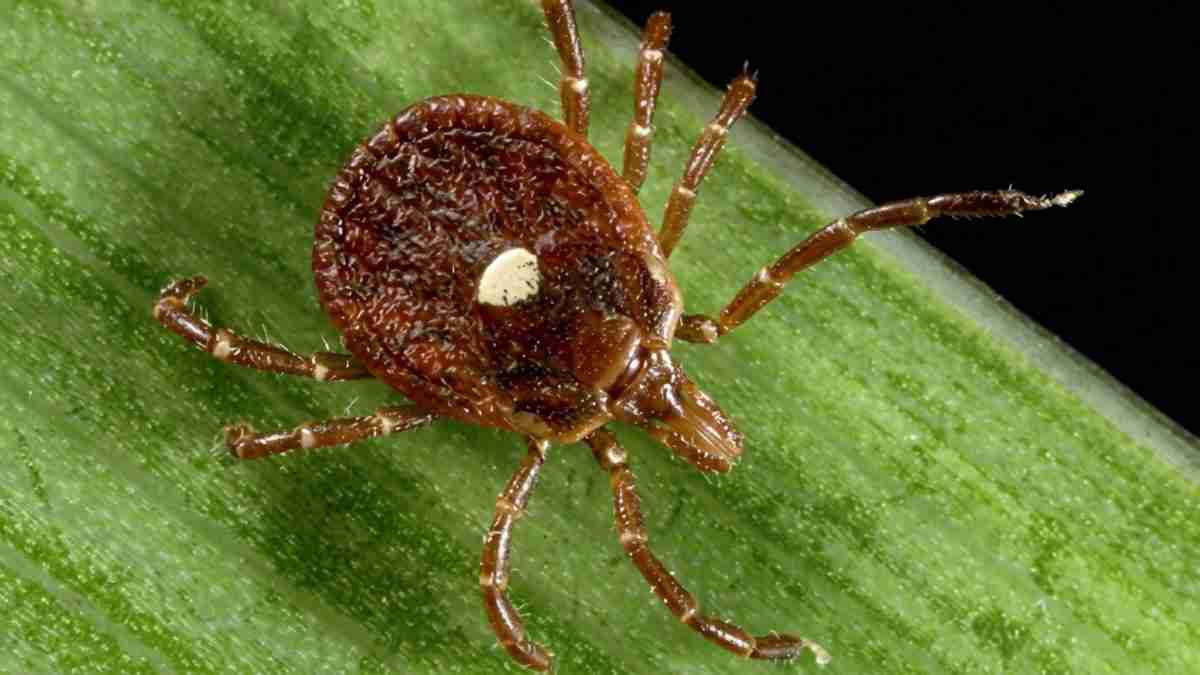
Bourbon virus is a virus associated with lone star ticks, according to the CDC. The virus was first identified in Bourbon County, Kansas, in 2014. The first known patient later died, according to CDC information.
Reported symptoms can include fever, fatigue, rash, headache, body aches, nausea and vomiting. The CDC also describes low white blood cell and platelet counts among possible signs of illness.
These symptoms can overlap with other infections, including illnesses spread by ticks. In the Long Island case, reports said the patient was initially treated with doxycycline for suspected Lyme disease, but his symptoms did not improve.
How was the New York infection confirmed?
The Stony Brook study examined 107 Suffolk County residents who developed fever and other symptoms after a tick bite between 2019 and 2024. Two participants had neutralizing antibodies to Bourbon virus, which can indicate that the immune system encountered the virus.
One participant had an eight-fold rise in antibody levels over one month. Researchers described that change as evidence of an acute or recent infection. Luis Marcos, the study’s lead author and a professor at Stony Brook University’s Renaissance School of Medicine, said the patient had severe symptoms and was hospitalized.
The study also found antibodies to Heartland virus in one participant. No participant tested positive for Powassan virus.
Does this mean Bourbon virus is spreading widely?
The study does not establish how often Bourbon virus occurs after a tick bite, how many lone star ticks carry it or whether infections are increasing in New York. It also does not provide an estimate of the number of undiagnosed cases.
The two antibody findings came from a group of 107 people who were already sick after tick exposure. That group cannot be used to calculate the risk for all New Yorkers or for every person who is bitten by a tick.
Stony Brook researchers have warned that some infections could go undiagnosed because Bourbon virus symptoms resemble those of other illnesses and testing is limited. The CDC says there is no widely available commercial diagnostic test. Stony Brook Medicine says New York samples are sent to the New York State Department of Health for specialized analysis.
What should people know after a tick bite?
A tick bite alone does not show that a person has Bourbon virus. The study found a rare infection during testing of people with symptoms, not a general risk level for the public.
The CDC identifies fever, fatigue, rash, headache, body aches, nausea and vomiting as possible symptoms. A person who develops such symptoms after a tick bite should tell a health care provider about the exposure, because clinicians may need to consider several tick-borne diseases.
There is no approved Bourbon virus treatment that targets the virus, according to the CDC. Care for a sick patient is therefore based on the person’s symptoms and medical condition, while testing is handled through specialized public health laboratories when Bourbon virus is suspected.
The reported case occurred on Long Island in Suffolk County, not in New York City. Its significance for the region is that it gives New York clinicians another rare tick-borne infection to consider when patients have unexplained fever and other serious symptoms after a tick exposure.