
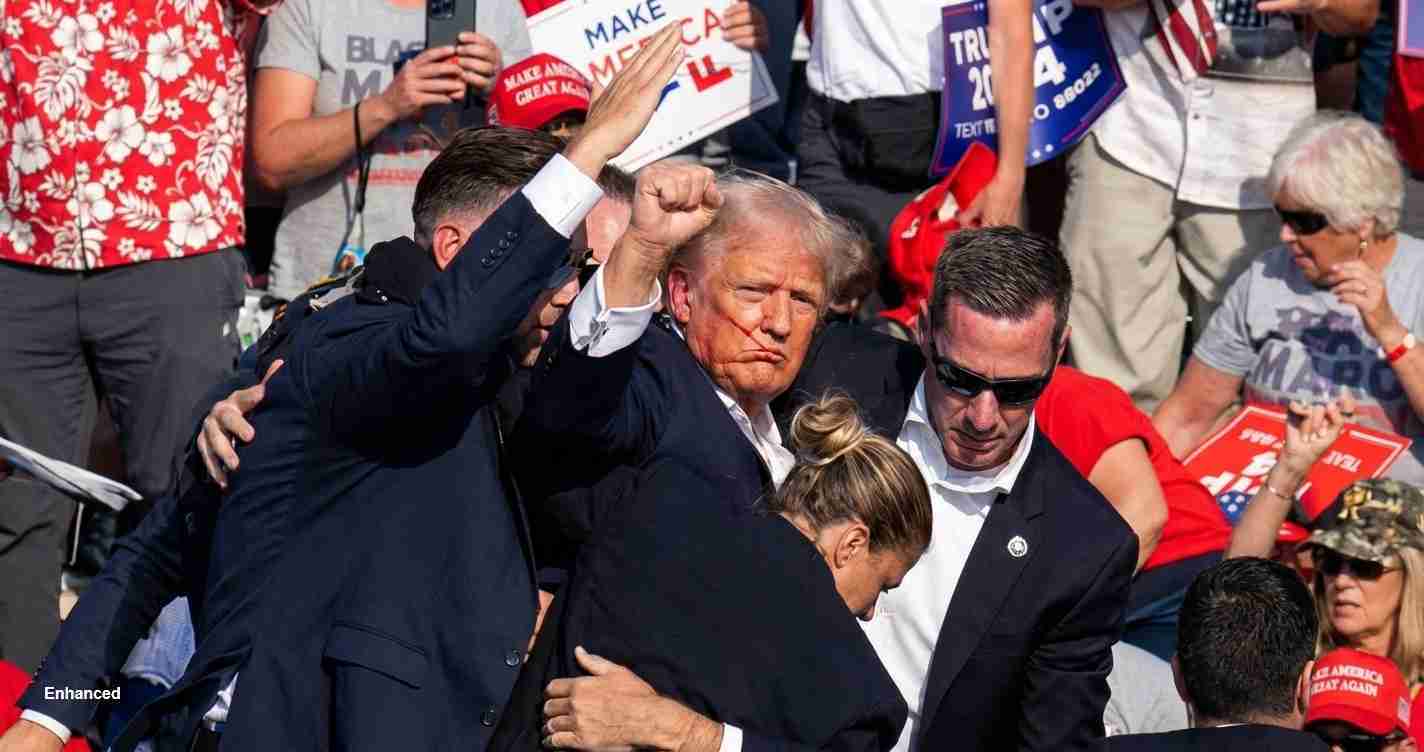
FBI investigation concludes Thomas Matthew Crooks acted alone in Trump assassination attempt after “unprecedented” global probe
The FBI has concluded Thomas Matthew Crooks acted alone in the July 13, 2024 attempted assassination of Donald Trump in Butler, Pennsylvania, after an “unprecedented” global investigation involving thousands of interviews and forensic analyses.
Key takeaways
- FBI determination: The bureau found no credible evidence of co-conspirators or foreign involvement, according to Fox News and ABC News.
- Investigation scale: Thousands of interviews, review of foreign email accounts and digital records, and hundreds of FBI agents participated in the probe (Fox News).
- Attack specifics: Eight shots fired, one attendee killed, two injured, Crooks killed by a Secret Service sniper; an explosive device in his vehicle was found in an “off” state (Wikipedia; Fox News).
- Motive unresolved: Despite wide-ranging probes, the FBI could not determine Crooks’ precise motive (Fox News; ABC News).
Investigation scope and the FBI’s conclusion
The FBI described the probe as an “unprecedented” global-style investigation. Investigators interviewed thousands of people inside and outside the United States, traced digital footprints and conducted extensive forensic analysis. The result, the bureau said, was a clear finding: Thomas Crooks acted alone, according to Fox News and ABC News.
Prosecutors and agents reviewed online activity, travel records, communications and financial traces. The FBI gained access to three foreign email accounts tied to Crooks and reported no signs of external direction or assistance (ABC News).
About 485 FBI personnel were reported to have taken part at different stages of the case, according to media reporting (Fox News).
What investigators found about Crooks
Thomas Matthew Crooks was 20 and lived in Bethel Park, Pennsylvania. Friends and family described him as largely isolated with few social connections. Reports noted high test aptitude and an interest in politics, but investigators did not find a clear, documented motive (ABC News).
Authorities found Crooks researched the rally and venue online, registered for the event and surveyed logistics. Investigators discovered searches tied to past assassinations (for example, Lee Harvey Oswald’s distance from President John F. Kennedy) but no confirmed plan that linked him to an outside group or sponsor (Fox News).
Officials also noted Crooks’ prior participation in online forums where he expressed support for political violence; those postings informed a profile of someone who considered violence but did not connect him to collaborators (Fox News; ABC News).
Attack timeline, weapons and device in vehicle
On July 13, Crooks accessed a rooftop staging area roughly 90 minutes before the shooting. Despite police messages flagging a suspicious presence, on-site law enforcement did not stop him in time — an issue later highlighted by a congressional task force that cited missed opportunities (Wikipedia; Rep. Fallon task force report).
During the attack, Crooks fired eight rounds from a .223-caliber, AR-15–style rifle. The rounds grazed former President Trump’s ear, killed one attendee and wounded two others before a Secret Service sniper engaged and killed Crooks (Wikipedia).
Investigators recovered an undetonated explosive device in Crooks’ vehicle. The device included a receiver capable of remote detonation but was found in an “off” position and did not detonate (Fox News).
Forensic work and eyewitness accounts
Ballistics, shell-casing analysis, audio review and hundreds of witness interviews were used to account for every round fired that day. That forensic chain helped dispel theories of multiple shooters or unexplained gunfire (Fox News).
“Investigators controlled and processed the scene for days, conducting a detailed forensic sweep and evidence collection.”
The FBI led the scene from July 14 to July 18 while conducting the sweep and evidence processing (Fox News).
Unanswered questions and motive
Despite the thorough probe, the FBI did not reach a definitive conclusion on motive. Family and acquaintances told investigators they could not explain the attack. The bureau said the evidence did not point to a single, clear motive, leaving open whether Crooks acted from personal grievance, instability or opportunism (Fox News; ABC News).
Congressional review and criticism
Some lawmakers, including a task force led by Rep. Pat Fallon, criticized the FBI and local law enforcement coordination, arguing the shooting may have been preventable and accusing agencies of insufficient transparency (WLOS; Rep. Fallon task force report).
Former President Trump said he had been briefed extensively and praised the FBI’s thoroughness while offering few public details about those briefings (ABC News).
Implications for the United States
Security and law enforcement: The case highlights the need to tighten coordination between federal protective services and local police at large events. The task force found missed signals that may require changes in training, communication and command (Rep. Fallon task force report).
Political landscape: The finding that Crooks acted alone will influence debates on public-event security, lone-actor threats and the role of social media in spreading violent ideas.
Public safety and community impact: The case underscores the danger posed by isolated actors who prepare carefully and exploit lapses in security; communities must reassess site plans, access control and threat reporting.
Mental health and prevention: The FBI’s inability to identify motive raises questions about detection and intervention strategies, potentially prompting renewed policy focus while balancing civil liberties.
Oversight and transparency: Calls for congressional oversight and more transparency are likely to continue as critics press for accountability (WLOS; Rep. Fallon task force report).
Ongoing reporting and sources
This article draws on reporting and statements from the FBI and media accounts. Key sources include Fox News, ABC News, background summaries on Wikipedia, oversight reporting at WLOS, the Rep. Fallon task force report, and policy commentary such as Cato Institute.
The bureau’s lone-actor finding closes many lines of inquiry about accomplices and foreign ties but leaves urgent questions about motive, prevention and steps to reduce risk at future public events (Fox News; ABC News).



