
Rosie O’Donnell Asks for Prayers as Daughter Chelsea Faces Prison After Probation Revoked
Chelsea O’Donnell, daughter of Rosie O’Donnell, was sentenced to prison in Wisconsin after a judge revoked her probation following guilty pleas to felony drug charges in 2024; Rosie publicly asked for prayers and support as the family copes.
Key takeaways
- Chelsea O’Donnell, 28, pleaded guilty in 2024 to three felony counts including methamphetamine possession (Source).
- A judge revoked her probation and sentenced her to prison on Oct. 22, 2025; she has been in custody since September 2025 (Source).
- Rosie O’Donnell publicly appealed for prayers and support, sharing the family’s long-running struggle and asking for privacy (Source).
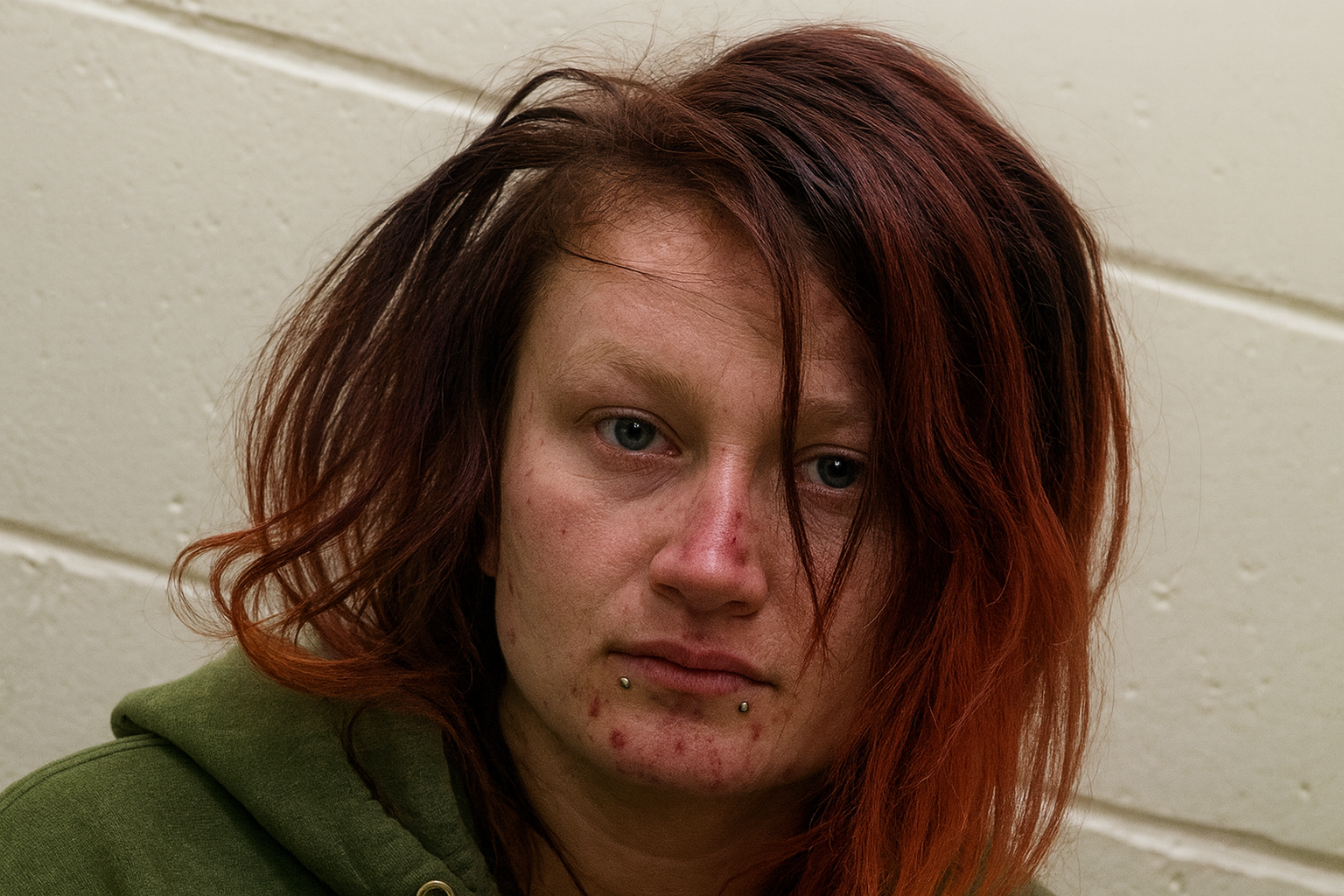
- Entertainment Tonight obtained a recent mugshot and confirmed Chelsea’s custody at a facility north of Green Bay, Wisconsin (Source).
What happened: court action and sentence
A Wisconsin judge revoked Chelsea O’Donnell’s probation and sentenced her to prison after finding she violated terms of supervision tied to felony drug charges from 2024. Court records and reporting show she had pleaded guilty to three felony counts, including possession of methamphetamine. She was sentenced on Oct. 22, 2025, after being in custody since September 2025 (Source).
The revocation converted a period of probation into a prison term, illustrating how probation violations can trigger harsher penalties under state law. The reporting did not detail the specific probation violations, but local reporting and a recent booking photograph obtained by Entertainment Tonight helped confirm the change in status (Source).
Rosie O’Donnell’s public response
Rosie O’Donnell publicly addressed the situation, asking for prayers and describing the family’s emotional turmoil. In interviews and a statement she said:
“I have a daughter who’s in a crisis. Any mother or father who’s ever had a child in crisis… it’s upsetting until your child is once again safely on the shore and not in the rapids. Sadly right now Chelsea seems to be in the rapids.”
Rosie also shared a childhood photo of Chelsea and wrote, “I loved her then, I love her now,” describing a “scary future” for her daughter while stressing the family’s ongoing support: “we will catch her regardless” if she falls again. Those remarks were part of a broader emotional appeal and a request for privacy and support during a difficult time (Source).
Family background and past struggles
Chelsea was adopted by Rosie O’Donnell as a baby. The family relationship has included periods of estrangement; after Chelsea turned 18 in 2015 she moved to Wisconsin to live with her birth mother. The two reconnected in 2018 after Chelsea gave birth to her first child. Chelsea is now the mother of four children. Rosie has framed the situation as both a legal matter and a human one involving addiction, family healing, and parenting under strain (Source).
Mugshot and custody confirmation
Entertainment Tonight obtained a recent mugshot of Chelsea O’Donnell and reported she is in custody at a facility north of Green Bay, Wisconsin. That photograph corroborated reporting that Chelsea had been jailed since September 2025 and received her prison sentence in late October. Local legal filings indicate she was found to have violated conditions tied to her 2024 case (Source).
Why this matters nationally
This case intersects multiple national issues: rising drug-related prosecutions, court handling of probation violations, social services for families affected by addiction, and media coverage of celebrity personal struggles. For many readers, it raises questions about accountability, compassion, and how best to support families while protecting public safety.
Moderately conservative viewpoints may emphasize the need for law-and-order responses — including meaningful consequences for probation violations — while also supporting improved access to treatment and family services that reduce repeat offenses and better protect children.
Legal context: probation, violations and prison
Probation revocations depend on jurisdiction, but judges generally can revoke supervision and impose previously suspended sentences when conditions (such as drug testing, curfew, or avoiding new criminal conduct) are breached. In Chelsea’s case, the revocation followed guilty pleas in 2024 to Wisconsin felony charges including meth possession, and illustrates how probation is conditional and can be rescinded if terms are not met (Source).
Experts often highlight the importance of pairing supervision with effective treatment options that balance public safety and rehabilitation. This case may renew discussion about how courts, states, and communities manage individuals with substance use disorders who also have parenting responsibilities.
Reporting and sources
This article is based on reporting from Times Media Service and coverage that includes statements from Rosie O’Donnell, custody confirmation and a recently obtained mugshot. The primary reporting and public remarks were detailed in a video report and interview. Entertainment Tonight‘s publication of the mugshot was noted in that report (Source).
Implications for the United States
Economic impact: Direct economic effects of this single case are limited, but it highlights broader costs tied to substance use and criminal justice — from court proceedings and incarceration expenses to social services for affected children. When probation is revoked and custody is required, communities and taxpayers shoulder additional expenses.
Political consequences: The story may be framed as a law-and-order example supporting stricter enforcement, or as a call for better addiction treatment and family services. Policymakers may consider balanced approaches that stress accountability while increasing access to rehabilitation.
Social effects: The case spotlights children of incarcerated parents — Chelsea is a mother of four — and prompts discussion about child welfare protections, temporary caregiving arrangements, and ripple effects on schooling, housing and emotional stability.
Cultural relevance: Celebrity cases bring private struggles into public view and can humanize broader social challenges while also raising debates about privacy, public sympathy, and media coverage.
Practical applications: The case underscores the need for coordinated probation services, mandatory treatment where appropriate, parenting support, and child-welfare coordination. Families should seek early intervention and legal counsel when facing probation conditions and potential violations.
Reporting note
All quotes, timelines and reporting in this article are drawn from coverage by Times Media Service and publicly available statements and media obtained during reporting: video report and interview. Entertainment Tonight‘s release of a recent mugshot was cited in that report (Source).



