
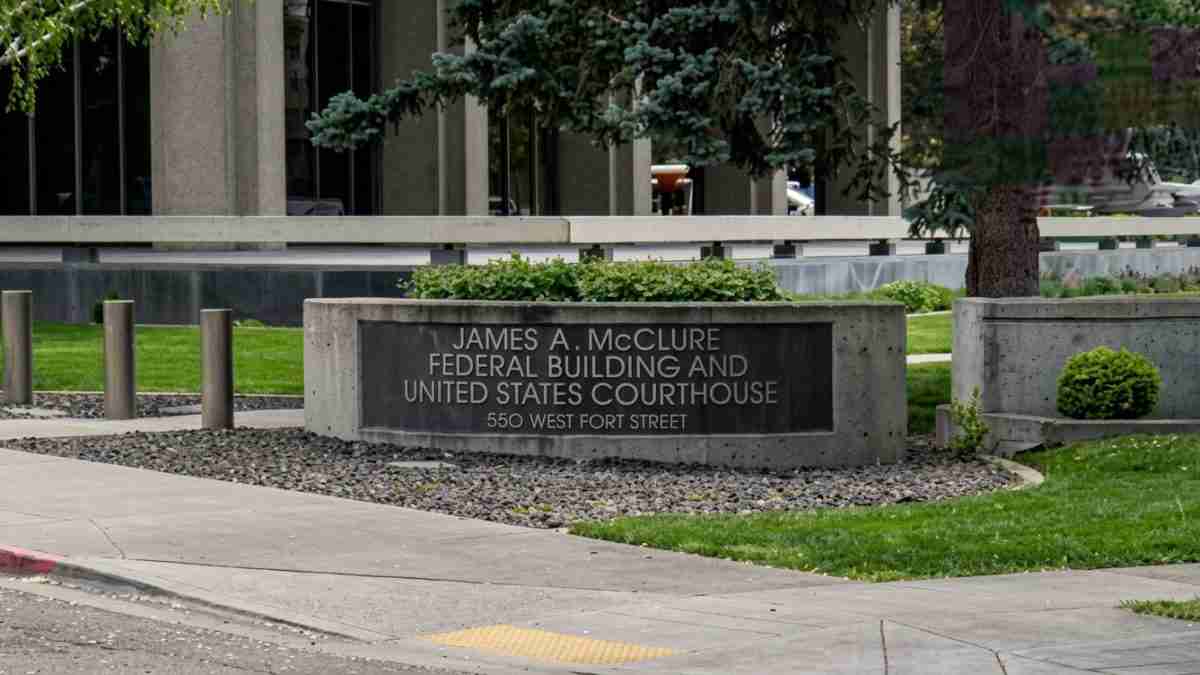
BOISE, Idaho, Aug. 15 (Our Idaho Times) — A federal judge has barred Idaho Attorney General Raúl Labrador and the Ada County prosecutor from enforcing the state’s criminal abortion laws in limited cases where an abortion is needed to protect a pregnant patient’s health or prevent death from self-harm.
U.S. District Judge B. Lynn Winmill issued the 81-page ruling Thursday in Seyb v. Labrador. The case is a civil challenge to Idaho’s abortion laws, not a criminal prosecution against a named doctor or patient. The ruling does not identify any current criminal charges against an abortion provider.
What did the judge decide?
Winmill held that the Fourteenth Amendment protects a narrow constitutional right to abortion when continuing a pregnancy threatens the pregnant woman’s life or health.
He also ruled that Idaho’s decision to exclude life-threatening mental-health conditions from its exception for protecting a woman’s life violates the Constitution’s Equal Protection Clause. The order covers situations involving serious mental-health risks, including a risk of death from self-harm, according to the court’s ruling.
The order applies to enforcement by Labrador and the Ada County prosecutor. It prevents those officials from bringing criminal cases under Idaho’s abortion laws in the circumstances covered by the ruling.
The decision does not create a general right to abortion in Idaho. Winmill declined to extend the protection to abortions sought solely because of a life-limiting fetal diagnosis, fetal disability or another significant fetal condition when that condition does not threaten the pregnant woman’s health.
What do Idaho’s laws require?
Idaho’s Defense of Life Act and Fetal Heartbeat Act together establish a near-total abortion ban. Under the laws, doctors who violate the restrictions can lose their medical licenses and face up to five years in prison.
The statutes include narrow exceptions. They allow abortions intended to prevent the death of a pregnant woman and, in some circumstances, abortions involving rape or incest when a police report has been filed. The laws also permit abortions for ectopic pregnancies and molar pregnancies, according to summaries of the Idaho statutes cited in coverage of the case.
The new order adds court-enforced limits to how the laws may be applied. It does not remove the statutes from Idaho’s code or invalidate every part of the state’s abortion restrictions.
Doctors may still face civil lawsuits, according to Boise State Public Radio. The available case summaries do not specify the legal basis for those possible suits.
Why did health and mental health become central issues?
The ruling addresses the difference between an abortion needed to prevent death and one needed to protect health. Winmill found that Idaho’s law recognized some threats to a woman’s life but did not treat life-threatening mental-health conditions in the same way.
That means the order is focused on medical circumstances, rather than on a broad claim that abortion must be available for any reason. The protected circumstances are limited to cases in which pregnancy threatens the patient’s health or creates a serious risk of death from self-harm.
The ruling also separates the patient’s health from fetal conditions. A fetal diagnosis alone does not qualify under the constitutional protection recognized by Winmill unless the condition also threatens the pregnant woman’s health.
How does this fit into earlier Idaho cases?
Winmill previously blocked parts of Idaho’s abortion ban in emergency-care cases brought by the U.S. Department of Justice under the federal Emergency Medical Treatment and Labor Act, or EMTALA. That federal law requires hospitals that receive Medicare funding to provide stabilizing treatment to patients who arrive with emergency medical conditions.
In 2022, Winmill temporarily blocked Idaho from enforcing its ban when it conflicted with EMTALA’s emergency-care requirements. In 2025, he issued a protective order shielding St. Luke’s Health System and its medical staff from criminal prosecution or licensing sanctions for emergency abortion care covered by the federal law.
A separate 2025 consent decree barred Idaho’s attorney general and prosecutors in Ada and Valley counties from prosecuting health care providers for referring patients to out-of-state abortion services.
The latest ruling is based on the Fourteenth Amendment rather than EMTALA. It therefore addresses a different legal question: whether Idaho may criminalize abortions needed to protect a pregnant woman’s physical or mental health.
What happens next?
The ruling is expected to be appealed, although the available information does not establish that Idaho officials have filed a notice of appeal.
Until the order is changed or overturned, the Idaho attorney general and Ada County prosecutor are barred from enforcing the state’s criminal abortion laws in the limited circumstances identified by Winmill. Idaho’s broader abortion restrictions remain in effect outside those circumstances.



