
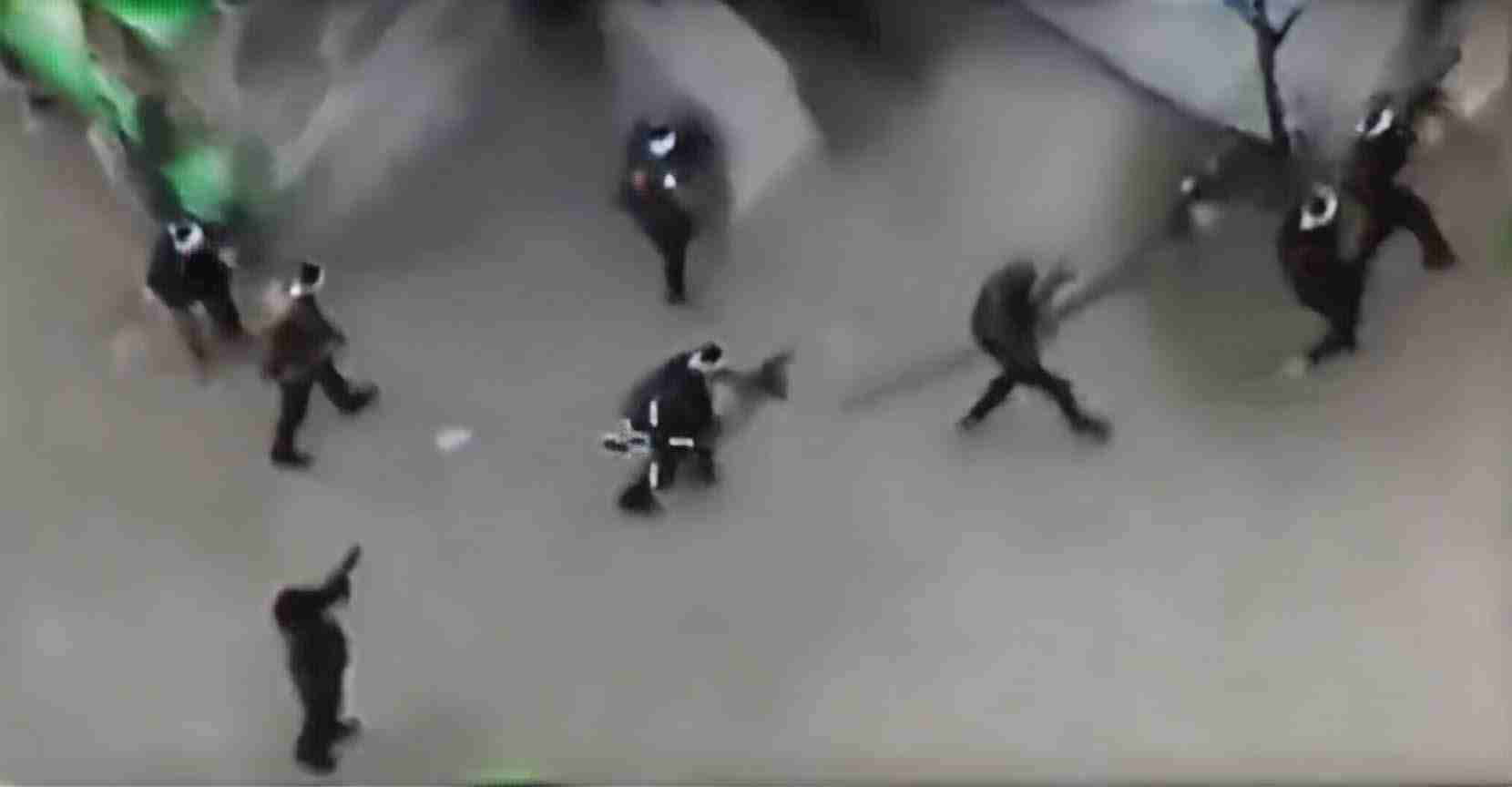
Dozens killed as Gaza violence erupts between Hamas and armed clans; Netanyahu calls imminent prisoner exchange “beginning of a new path”
Dozens have been killed as fierce clashes erupted between Hamas and armed Palestinian clans in Khan Yunis and Gaza City, exposing a collapsing security order in Gaza while Prime Minister Benjamin Netanyahu touted an imminent prisoner exchange.
- Large-scale urban fighting in Khan Yunis on Oct. 3 saw a major raid and hours-long combat, underscoring an erosion of centralized control — see the October 2025 Khan Yunis raid.
- Heavy casualties: reports cite intense battles and at least 27 dead in Gaza City clashes involving the Dughmush family — reported in Gaza City clashes and a Times Media Service summary.
- Humanitarian and security breakdown is widening: looting, obstructed aid and clan militias complicate relief and could deepen regional instability — see background on the Gaza war.
What happened in Khan Yunis
On Oct. 3, 2025, one of the fiercest episodes of intra-Palestinian fighting occurred when Hamas forces launched a large raid targeting the al-Mujaida quarter of Khan Yunis. Accounts compiled by local reporters and researchers describe a sizable force — estimates range from about 50 to as many as 250 gunmen — engaging in hours-long urban combat with clan fighters. The sequence and scale of the operation are detailed in reporting on the October 2025 Khan Yunis raid.
Witness videos and social-media posts circulated after the raid show graphic scenes, including bodies in the streets. Those images have not all been independently verified, but they have heightened concerns about an emerging pattern of lawlessness and brutal intra-Palestinian violence.
Clashes in Gaza City and the Dughmush family
In Gaza City, violent confrontations between Hamas and the long-established Dughmush clan reportedly left at least 27 people dead. Local coverage of these fights is available in reporting on Gaza City clashes, and the broader tally and overview are summarized in the Times Media Service piece.
The Dughmush family has a history of rivalry with Hamas; these confrontations reflect a wider trend of clans challenging centralized authority and contesting territory, resources and influence.
Roots of the internal conflict
Analysts link the rise in clan violence to a power vacuum inside Gaza. The Israeli military campaign and territorial changes have, by some estimates, dramatically reduced Hamas’s effective control — with reports suggesting Hamas may have lost control of roughly 80% of its former territory in Gaza. That retreat has created openings for family-based militias, armed gangs and local power-brokers to expand their influence. See the reporting on the Khan Yunis raid for context and incident compilations.
Data from monitoring groups and incident compilations point to a sharp rise in intra-Palestinian violence since late 2023, with hundreds of incidents and deaths documented. Motivations behind clashes include accusations of collaboration, competition for scarce humanitarian aid, family vendettas and territorial fights — all intensifying as central authority weakens.
Netanyahu’s prisoner exchange and political context
Against the backdrop of escalating internal clashes, Israeli Prime Minister Benjamin Netanyahu announced an imminent prisoner exchange, calling it “the beginning of a new path.” That characterization was reported in the Times Media Service summary (Dozens killed as Gaza violence erupts).
“The beginning of a new path,” — Benjamin Netanyahu, on the imminent prisoner exchange (reported by Times Media Service)
Historically, hostage-prisoner swaps are politically charged and complex; previous exchanges have been interrupted or reversed by renewed fighting. For Palestinians in Gaza, swaps can act as pressure valves — but they rarely, by themselves, restore fractured local order.
Humanitarian and security breakdown
As Hamas’s grip loosens, reports of looting and interference with aid distributions have increased. Aid convoys and distribution points have become flashpoints where gangs and armed groups clash over supplies needed by civilians facing severe shortages.
The proliferation of armed groups complicates humanitarian access and protection. Relief organizations face logistical challenges and heightened safety risks when distribution sites become contested — a dynamic that amplifies civilian suffering.
International roles and spillover risks
Qatar, the United States and other mediators with prior involvement in ceasefire talks and hostage negotiations are reportedly engaged again as pressure mounts for a deal. The international community has warned about broader risks of instability in Gaza, including spillover to neighboring areas and regional escalation; see background on the CRS report (R47828) and context in the Gaza war.
Analysts caution that continued fragmentation could produce more refugees, cross-border tensions, and openings for other armed actors — scenarios that concern U.S. policymakers and regional partners.
Implications for the United States of America
- National security: Fragmentation complicates U.S. stabilization efforts and could require increased diplomatic, intelligence or military support.
- Humanitarian response: A broken security environment will likely worsen the crisis, increasing demand for U.S. aid and complicating delivery.
- Domestic politics: The prisoner exchange and Gaza violence may shape U.S. political debates over humanitarian action versus security priorities.
- Regional diplomacy: Washington’s relationships with Qatar, Egypt and Gulf partners may need recalibration to manage talks and prevent spillover.
- Counterterrorism: Clan militias and criminal networks create new intelligence priorities that complicate targeting and threat prediction.
Reporting and next steps
Journalists and monitors will watch whether the prisoner exchange proceeds and how it reshapes power dynamics inside Gaza. Observers will also track whether mediators can use a swap to reduce violence or whether internal clashes among Hamas and clans will continue to spread. For now, the rise of armed clans and repeated urban combat suggest a deeper societal breakdown influencing humanitarian and security outcomes in coming months.
Sources and verification
Reporting and analysis for this article draw on multiple published accounts and local reporting. Key sources include:
- “Dozens killed as Gaza violence erupts,” AOL / Times Media Service
- “October 2025 Hamas raid in Khan Yunis,” Wikipedia
- “Clashes erupt between Hamas forces and armed clan members in Gaza City,” ArmRadio
- “Gaza war,” Wikipedia (background on ceasefires and exchanges)
- Congressional Research Service report (R47828)
- Jerusalem Post coverage on clan motivations and tensions
- Video and open-source material on Gaza disorder (example)
Note: Visual material and social-media posts cited in open-source records illustrate the intensity of street-level fighting but have not all been independently verified.



