
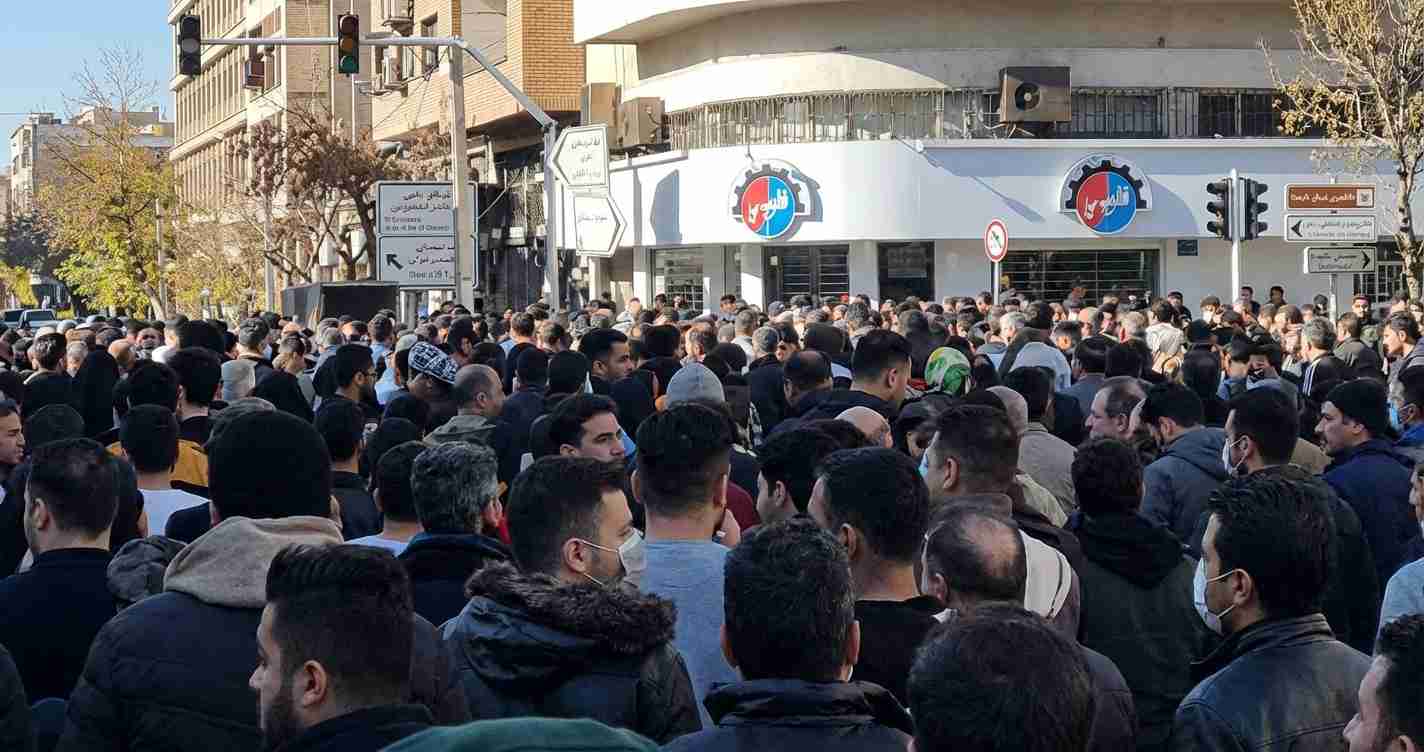
Tehran Economic Protests Escalate as Riot Police Clash with Demonstrators; Grand Bazaar and Major Hubs Shut Down
Mass protests over a deepening economic crisis erupted in Tehran on December 29, 2025, as clashes with riot police unfolded and major commercial hubs, including the Grand Bazaar, shut amid nationwide strikes and business closures.
- Widespread unrest: Protests and strikes spread across Tehran and cities like Mashhad, with shops and markets closed on a second consecutive day (RFE/RL).
- Economic trigger: A sharp fall in the rial and rising inflation are cited as the primary drivers of public anger (RFE/RL).
- Security response: Riot police used tear gas and engaged demonstrators, with occasional tactical pullbacks reported (RFE/RL).
- Verification limits: Some international claims and specific chants circulating online were not corroborated in on-the-ground reporting (RFE/RL).
Background: What Triggered the Unrest
Iran is experiencing a deepening economic crisis. The rial has slid to record lows on foreign-exchange markets, while inflation continues to erode household incomes. Rising costs for food, fuel and basic goods, alongside broader energy challenges, have pushed many citizens into the streets.
Protests and Tehran Riot Police Clashes
On December 29, large crowds gathered across multiple Tehran neighborhoods. Security forces responded with tear gas to disperse crowds; witnesses described pushing and shoving as demonstrators chanted and attempted to hold ground. In some areas, security forces temporarily pulled back under pressure (RFE/RL).
“Tear gas filled some streets, and merchants closed early as people pushed back against security lines,” said one eyewitness, describing tense scenes across several districts.
Nationwide Strikes and Business Shutdowns
Strike actions and voluntary closures were reported across major commercial centers. The Grand Bazaar in Tehran, a traditional economic hub, was closed. Markets and shops in other cities, notably Mashhad, also shut their doors, signaling a coordinated economic protest that entered its second day (RFE/RL).
Economic Drivers: Rial Devaluation and Inflation
Analysts point to a sustained devaluation of the rial and surging inflation as the central catalysts. The currency slide has increased import costs and driven domestic prices higher, reducing real wages and eroding savings — impacts felt most acutely by middle- and low-income households.
- Higher import prices have translated into steeper consumer costs.
- Inflation is eating into purchasing power and savings.
- Strikes serve both as protest tactics and responses to an economy where normal trade has become harder to sustain.
Spread to Other Cities, Including Mashhad
While Tehran was a focal point, unrest and shutdowns spread to other population centers. Mashhad — Iran’s second-largest city — reported closures and local protest activity, indicating the grievances are nationwide rather than localized.
International Attention and Unconfirmed Claims
The events drew international scrutiny. Some social media posts and external commentary alleged foreign leaders’ involvement or cited specific protest chants. Available on-the-ground reporting did not corroborate claims such as a public call by a foreign official or exact phrases chanted by protesters; such assertions remain unverified (RFE/RL).
What Eyewitnesses Reported
Local witnesses and journalists described scenes marked by tear gas, closed shops, and neighborhoods disrupted by protests. These firsthand accounts align with reporting that ties the demonstrations to widespread economic hardship.
Government Response and Risks
Iranian authorities typically mix security measures with messaging aimed at restoring order. The use of riot police and tear gas is consistent with prior responses. Continued economic deterioration, sustained strikes, or widening unrest could increase political and security risks domestically and regionally.
Reporting Limitations and Verification
The link between protests and the economic crisis is clear in available reporting, but some widely circulated details were not verified. Journalists should treat uncorroborated claims cautiously and seek additional, independent sources for confirmation (RFE/RL).
Implications for the United States
Instability in Iran could have several implications for U.S. interests:
- Economic impact: Regional market disruptions and potential effects on energy prices and trade routes could have indirect consequences for U.S. firms and investors (RFE/RL).
- Political consequences: Widespread unrest may weaken Iranian leadership and affect the country’s regional posture, with implications for U.S. policy and security assessments.
- Social effects: Sharp economic distress could drive migration and humanitarian needs that U.S. agencies and NGOs might need to monitor.
- Practical guidance: Travelers should exercise heightened caution; businesses and policymakers should track indicators like the rial’s value and inflation as early warnings.
Reporting note: This article is based on reporting by RFE/RL; where indicated, claims circulating publicly were not corroborated in that source. For full context and source material, see RFE/RL.



