
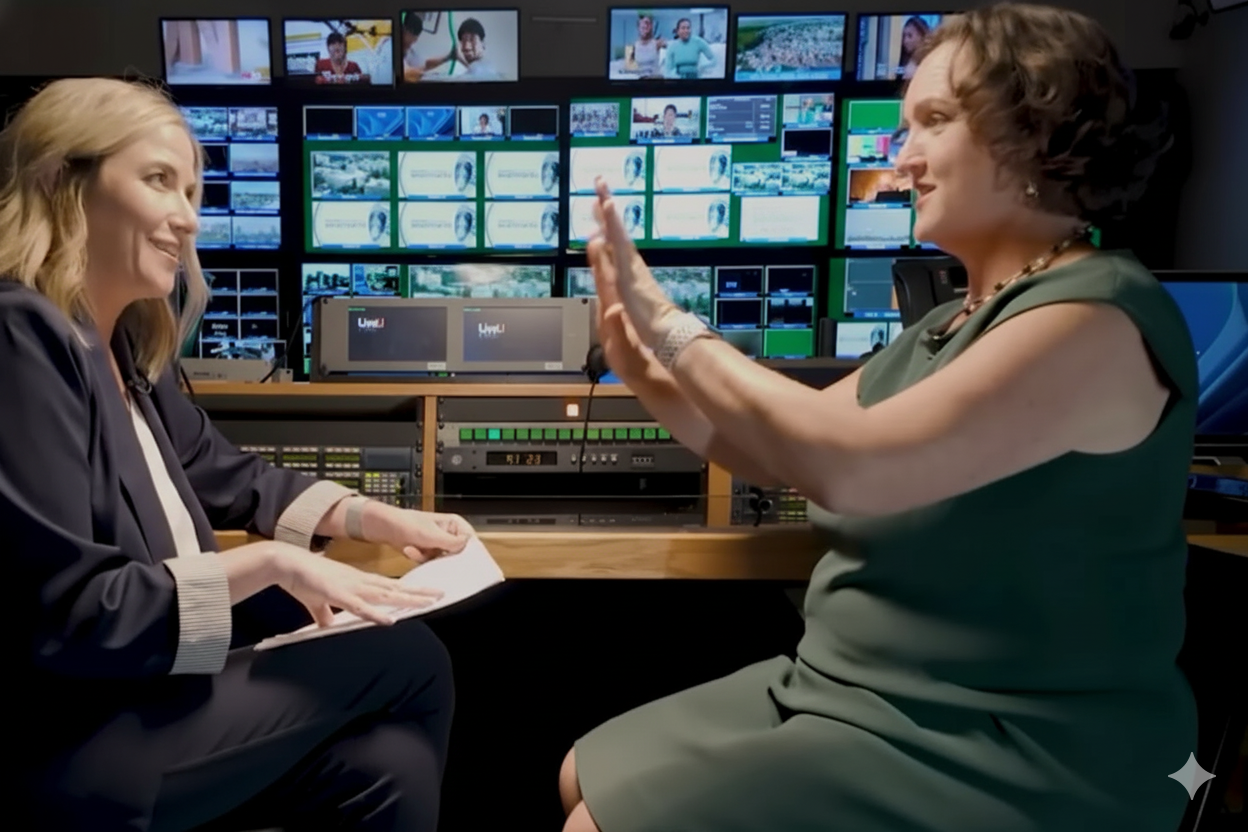
Katie Porter Abruptly Ends CBS Interview After Heated Exchange Over How She’d Win Trump Voters in California
California gubernatorial candidate Katie Porter abruptly ended a CBS Sacramento interview after a tense exchange about how she would win roughly 40% of voters who backed Donald Trump, prompting viral scrutiny and debate over her temperament and campaign strategy.
- Viral moment: Porter walked away after repeated questions on courting Trump voters; video clips were widely shared online.
- Temperament debate: Supporters defended her decision; critics argued it exposed a liability for statewide appeal.
- Strategic stakes: Winning some portion of ~40% Trump-supporting voters is seen as pivotal for any Democrat in California.
- Context matters: Full footage and extended segments are available for voters seeking more nuance.
Main coverage and context
What happened on air
The segment aired on CBS Sacramento where reporter Julie Watts followed a line of questioning about how Porter planned to court Republican voters and those who backed Donald Trump. The exchange intensified as Watts pressed on how Porter intended to win roughly 40% of the state electorate who voted for the former president.
Video shows Porter growing visibly frustrated. At one point she said, “I don’t want this all on camera,” and later, “I’m going to call it. Thank you.” The clip shows her standing and stepping away while refusing to continue under repeated questioning. See the CBS clip and the CBS clip for footage of the exchange.
Porter’s reaction, words and tone
Porter, known as an outspoken progressive and former U.S. representative, pushed back at what she described as repetitive, argumentative questioning. She told Watts the interview involved “seven follow-ups to every single question you ask.” Supporters framed her exit as a refusal to engage in bad-faith tactics; critics labeled it evidence of poor temperament for a statewide executive role.
“I don’t want this all on camera,” and “I’m going to call it. Thank you.”
Why the Trump question matters in California
Though California is heavily Democratic, Donald Trump’s sustained support — roughly 40% among certain cohorts — means Democrats aiming for statewide office must consider outreach to moderates and some Republican voters. For a progressive candidate like Porter, this raises questions about tone, messaging, and whether her style can attract persuadable voters in suburbs, exurbs, and rural areas.
Media spread and coverage
Clips first aired by CBS Sacramento were reshared widely on social media and picked up by national outlets. Some outlets framed the moment as a “meltdown” or a dramatic exit; others ran the footage with neutral captions. The viral nature of short video clips can quickly shape campaign narratives and voter impressions.
Original footage and extended segments provide fuller context: see the CBS Sacramento extended segment and reporter discussion and additional footage of the exchange.
How campaign strategists are reacting
Operatives on both sides view the moment as strategically useful. Republican opponents may use the clip to argue Porter is thin-skinned; Democratic allies can reframe it as standing up to hostile or repetitive questioning. Some strategists warn that a single viral clip rarely decides an election, while others note such moments can matter in tight races where impressions are fragile.
Porter’s record and campaign context
Katie Porter built name recognition in the U.S. House with a focus on consumer protection and a direct style in hearings. That activist image appeals to many Democrats but can raise doubts among moderates about her approach to statewide governance. The interview episode underscores tensions between activist credibility and the demands of broad-based campaigning.
Implications for the United States
Economic: The clip itself has no direct economic impact, but sustained narratives about temperament can shape business perceptions about state leadership and regulatory predictability.
Political: National parties and interest groups will monitor whether the exchange becomes a recurring line of attack or a sidelined episode; messaging choices by both parties could magnify or neutralize the moment.
Social and cultural: The episode exemplifies how short social-video moments can dominate discourse, often prioritizing personality over policy in public perception.
Practical applications for voters
Voters are encouraged to view short clips in context. The full interview segments are available online and offer more nuance than brief edits. To assess candidates, viewers should watch extended footage, read policy statements, and attend forums. Campaigns should train for repetitive or hostile questioning and have pivots to policy priorities that matter to undecided voters.
Sources and references
- CBS Sacramento interview clip on YouTube
- CBS Sacramento extended segment and reporter discussion
- Additional footage of the exchange
Reporting by Times Media Service. All original facts, information, and URLs preserved.



