Iran Water Crisis Deepens: Tehran Drought, “Water Bankruptcy” Threaten Regime Stability and Critical Industries
Iran is in its worst drought in decades, forcing dramatic cuts in urban water supplies across Tehran and Mashhad and threatening industry, agriculture and regime stability as officials warn of mass evacuations and escalating public unrest.
Key takeaways
- Severe, multi‑year drought: 2025 marked the fifth straight dry year in parts of Iran; Tehran Province received roughly 42% less rainfall and main dams were about 14% full (Source).
- Regional emergencies: Razavi Khorasan and Mashhad face roughly 41% below historic rainfall and are described as in “permanent drought emergency” (Source).
- Public distrust and governance risk: A September 2025 government survey found 75% of Iranians blame domestic mismanagement; officials warn of “water bankruptcy” and possible evacuations (Source; Sources).
- Strategic and economic impacts: Shortages threaten industry, power generation and some water‑dependent strategic programs, increasing risks to economic stability and regime control (Source; Sources).
Scope and severity
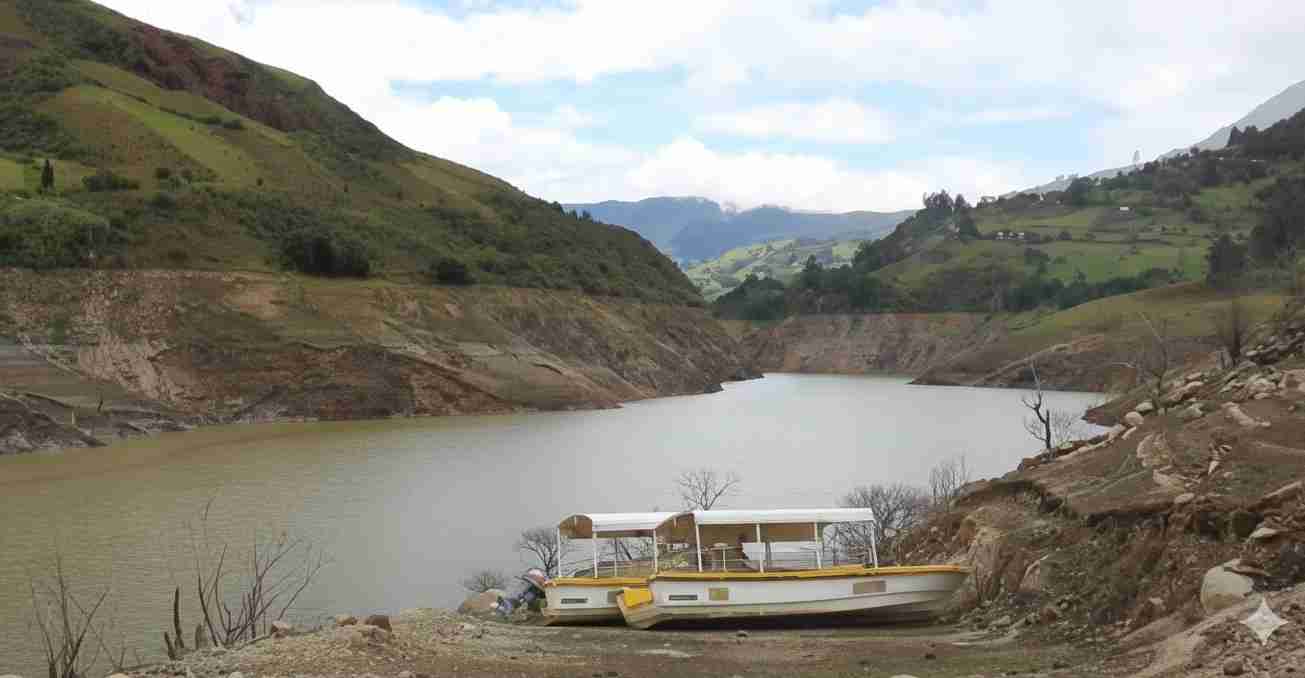
Iran’s shortfall is broad and deep. After years of drier seasons the pattern has shifted to a multi‑year drought. Reservoirs that serve millions are at critically low levels — Tehran’s dam storage fell near 14% of capacity in 2025 — while rainfall in multiple provinces, including Razavi Khorasan, is roughly 40% below long‑term averages (Source).
Local authorities have implemented extraordinary measures: 12‑hour water cut‑offs for high‑use households, selective closure of government offices, and public appeals to reduce consumption — even encouraging people to “go on vacation” to lower urban demand. These steps underscore an acute short‑term threat to major urban centers (Source).
Causes: climate, infrastructure and mismanagement
Experts cite a mix of long‑term climate change and chronic domestic governance failures. Warmer temperatures and shifting precipitation reduce river and groundwater recharge, while inefficient irrigation, leaking urban networks and unsustainable groundwater pumping aggravate the shortfall. Public frustration centers on perceived governance failures and powerful local interests sometimes described as a “water mafia” (Source; Sources).
Government and expert warnings
Officials have issued stark cautions. Tehran’s water chief urged a mandatory 20% cut in household use, calling conservation “not a choice or option, but a necessity” to avoid “water bankruptcy.” Energy Minister Abbas Aliabadi termed the overall situation a “water crisis,” warning that parts of Tehran Province could run out of water within weeks without change (Source).
“Conservation is not a choice or option, but a necessity,” — Tehran water chief (official warning cited by authorities).
Population movements and humanitarian risk
Analysts warn shortages could force large‑scale internal displacement. Reports indicate officials have prepared contingency plans that could include evacuations of districts where households lose reliable access to water. Such movements would create acute humanitarian needs and place strain on municipal services and relief agencies (Source; Sources).
Impact on industry, energy and strategic programs
Water shortages extend beyond households to heavy industry and power plants that require reliable cooling and process water. Shortfalls can force reduced production, curbed electricity generation and interruptions to water‑intensive industrial processes. Analysts caution that prolonged drought could constrain industrial capacity and may affect water‑dependent elements of strategic programs (Source; Sources).
Political consequences and regime stability
The crisis compounds existing grievances over living costs and governance. Urban populations are politically sensitive: visible service cuts, unequal access and perceived corruption increase the risk of protests and localized unrest. A government survey showing 75% of respondents blame domestic mismanagement underscores rising public anger and pressure on officials to respond visibly and effectively (Source).
Efforts underway and limitations
Iran has launched mitigation projects, including a major pipeline proposal to move water roughly 1,000 km from the Sea of Oman to Mashhad, with progress estimated at about 10% complete by 2025. Cities are expanding wastewater recycling and upgrading treatment plants to reuse water. Yet these projects are slow, costly and politically fraught; entrenched local interests and technical hurdles slow enforcement and reform (Source).
Voices on the ground
Residents and farmers report mounting hardship: crop losses, shrinking harvests, sudden shutoffs and rising costs for bottled water and private deliveries. Images and reports of luxury gardens and illegal withdrawals amplify public anger and reinforce perceptions of unfairness, fueling calls for accountability (Source; Sources).
Implications for United States
Economic: Prolonged Iranian water stress could disrupt regional oil‑related and non‑oil manufacturing supply chains, affecting markets and companies with Middle East exposure.
Political and security: Rising domestic instability may alter Tehran’s regional behavior — either prompting diversionary external actions or shifting resources away from proxies and strategic programs.
Migration and humanitarian: Internal displacements or cross‑border movement would increase demands on humanitarian organizations; multilateral coordination may be required.
Nuclear and strategic programs: Water shortages affecting cooling and infrastructure could slow some energy‑ and water‑intensive projects while also creating operational vulnerabilities of interest to intelligence planners.
Diplomacy and aid policy: The crisis highlights non‑military levers — technical assistance, water‑management support and climate resilience programs — as pragmatic engagement tools alongside pressure.
Reporting and source notes
This report draws on public reporting and expert analysis. Key references include an overview of water scarcity in Iran and reporting on economic and governance drivers of the crisis (Source; Sources).
Ongoing developments
The coming weeks are critical. Without meaningful rainfall, accelerated infrastructure fixes or rapid conservation beyond headline measures, Tehran and other centers face acute shortages. How the government manages supplies, enforces reforms and responds to public discontent will shape domestic stability and the region’s strategic landscape (Source; Sources).