
White House-area shooting suspect identified as Afghan evacuee with reported U.S. ties
A Nov. 26, 2025 shooting near the White House left two National Guard members critically wounded; authorities detained a suspect, 29-year-old Afghan national Rahmanullah Lakanwal, and the FBI is investigating potential international terrorism links abroad.
Key takeaways
- Suspect: 29‑year‑old Afghan national Rahmanullah Lakanwal.
- Casualties: Two National Guard members critically wounded near the White House on Nov. 26, 2025.
- Investigation: The FBI is treating the incident as possible “international terrorism” and is probing potential extremist links.
- Background reporting: Coverage says Lakanwal worked with U.S. forces and a CIA‑linked partner force — reported in the Times of India.
Main story
The incident and immediate response
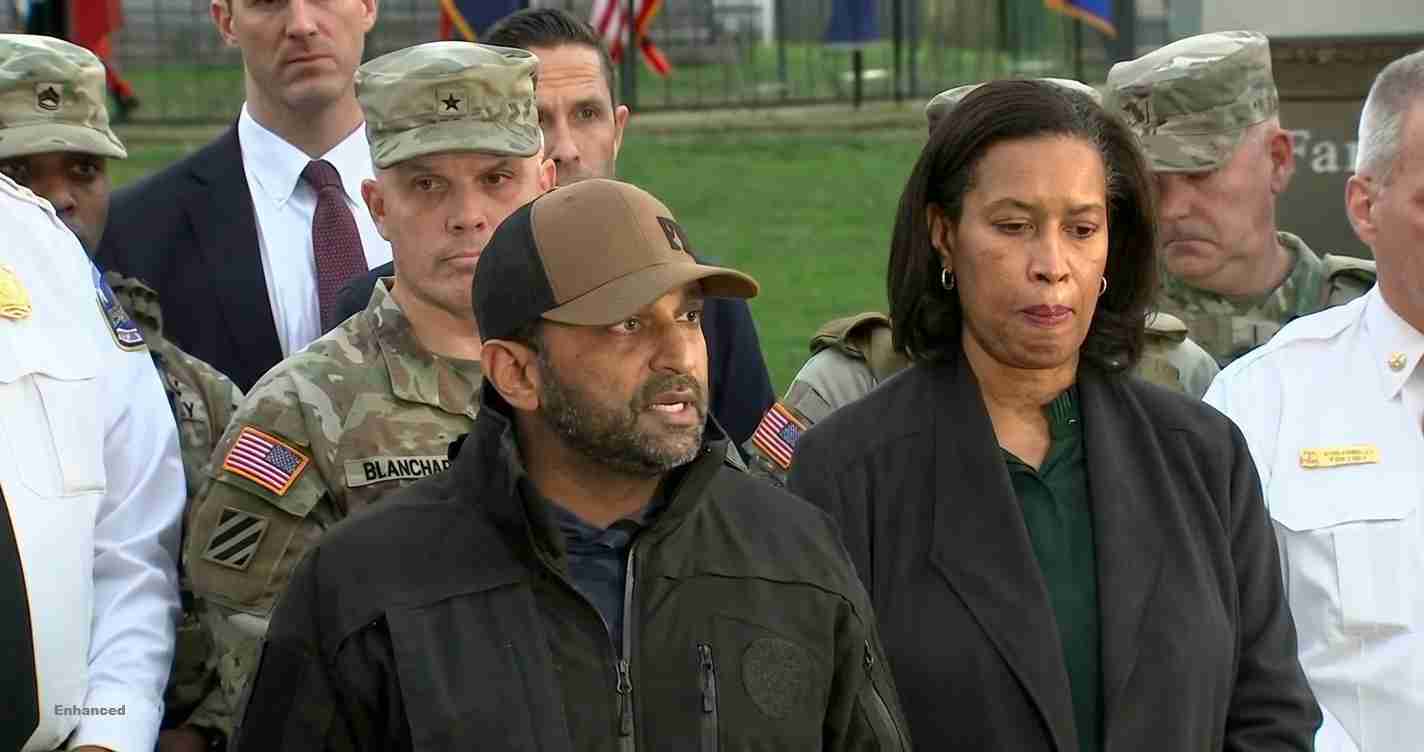
What happened: On Nov. 26, 2025, an attack near the White House left two members of the National Guard in critical condition. Authorities detained a suspect at the scene and began an intensive multiagency probe.
Federal investigators used biometric data to help identify the suspect; published reporting noted law enforcement ran fingerprints and explored possible ties to locations such as Bellingham, Washington. For reporting on identification and the law enforcement response see Time magazine and live coverage referenced by officials (live reports).
Suspect background and reported U.S. ties
Published accounts say the suspect, born in Kabul in 1996, worked alongside U.S. forces in Afghanistan. Those reports allege roles including logistics coordination for a U.S. contractor in Helmand Province and service with a partner unit described as the Kandahar Strike Force (KSF) near Firebase GECKO.
The Times of India compilation cites U.S. officials describing him as a vetted partner and notes reported contact with U.S. intelligence in Kandahar. That reporting also lists humanitarian work attributed to him, including a profile entry tied to the International Rescue Committee in eastern Afghanistan.
Evacuation to the United States and asylum status
Reporting indicates Lakanwal was evacuated to the U.S. under Operation Allies Welcome in 2021 and later sought asylum, claiming Taliban threats for assisting U.S. forces. The Times of India account says U.S. immigration authorities performed biometric checks, interviews and interagency reviews before approving asylum and granting protected status and work authorization in April 2025.
Pre-attack behavior, online posts and local reports
Neighbors in an Alexandria, Virginia complex told reporters the suspect had recently become more withdrawn. Investigators are reviewing his social media, which published reports say included anti‑Western and Taliban‑linked material. Authorities have not publicly confirmed operational ties to foreign extremist networks as of initial reports.
Investigation status and law enforcement actions
Federal response: The FBI’s Washington Field Office announced the shooting is being treated as possible international terrorism, coordinating with other agencies to determine any overseas extremist links.
Officials used fingerprints to identify the suspect and have been seeking additional confirmation of identity and movement. Investigators are also probing whether he had contacts or ties to individuals or locations in Bellingham, Washington, as part of a broader timeline reconstruction (Time magazine).
Political and public reaction
President Trump condemned the attack, calling it “a heinous assault… an act of evil and act of hatred and an act of terror,” framing it as a crime against the nation. Veterans, security officials and members of the public have expressed shock that someone reportedly affiliated with U.S. partners could be accused of violence in the capital.
Questions about vetting and partner programs
The case raises difficult questions about how evacuees who worked with U.S. forces were screened and monitored. Officials note Lakanwal underwent biometric and interview-based vetting before asylum approval; investigators will review interagency files to determine whether warning signs were missed or additional checks were warranted.
Lawmakers and agency officials will likely scrutinize vetting protocols, data sharing and post-arrival monitoring practices for evacuation programs like Operation Allies Welcome. The FBI probe will examine possibilities including foreign extremist ties, post‑arrival radicalization, or failures in interagency vetting.
Implications for the United States
Economic: Immediate economic effects are expected to be localized — increased security around federal buildings and operational costs for heightened patrols. If policies change, agencies may face long‑term administrative expenses for more rigorous vetting.
Political: The incident is likely to intensify debate over immigration and national security, with calls for stricter vetting, greater oversight, and expanded interagency information sharing.
Social and cultural: Community leaders warn of possible stigmatization of Afghan evacuees and other refugees who worked with U.S. forces; law enforcement and civic groups are urged to balance visible safety measures with protecting civil liberties.
Practical guidance for residents and officials
- Expect heightened security checks and increased National Guard and law enforcement presence near federal sites.
- State and local agencies may review housing and monitoring protocols for evacuees and asylum seekers.
- Citizens should follow guidance from local officials and rely on trusted news sources for updates.
Ongoing reporting and what to watch next
Investigators will continue examining the suspect’s background, travel and social media, and any overseas contacts. Congressional hearings may follow to review vetting timelines. The FBI’s terrorism classification means investigators will pursue any potential extremist links abroad.
Sources and reporting notes
- Times of India reporting on Lakanwal’s background, U.S. ties and asylum status
- Time magazine on identification and investigation details
- Live reports and statements about the FBI terrorism investigation
Note: This article preserves reported facts and original source links cited in early reporting; investigators continue to develop the timeline and findings.



