DHS probes turnup? No evidence Rep. “Adelita Grijalva” was pepper sprayed during Tucson ICE raid, fact-check finds
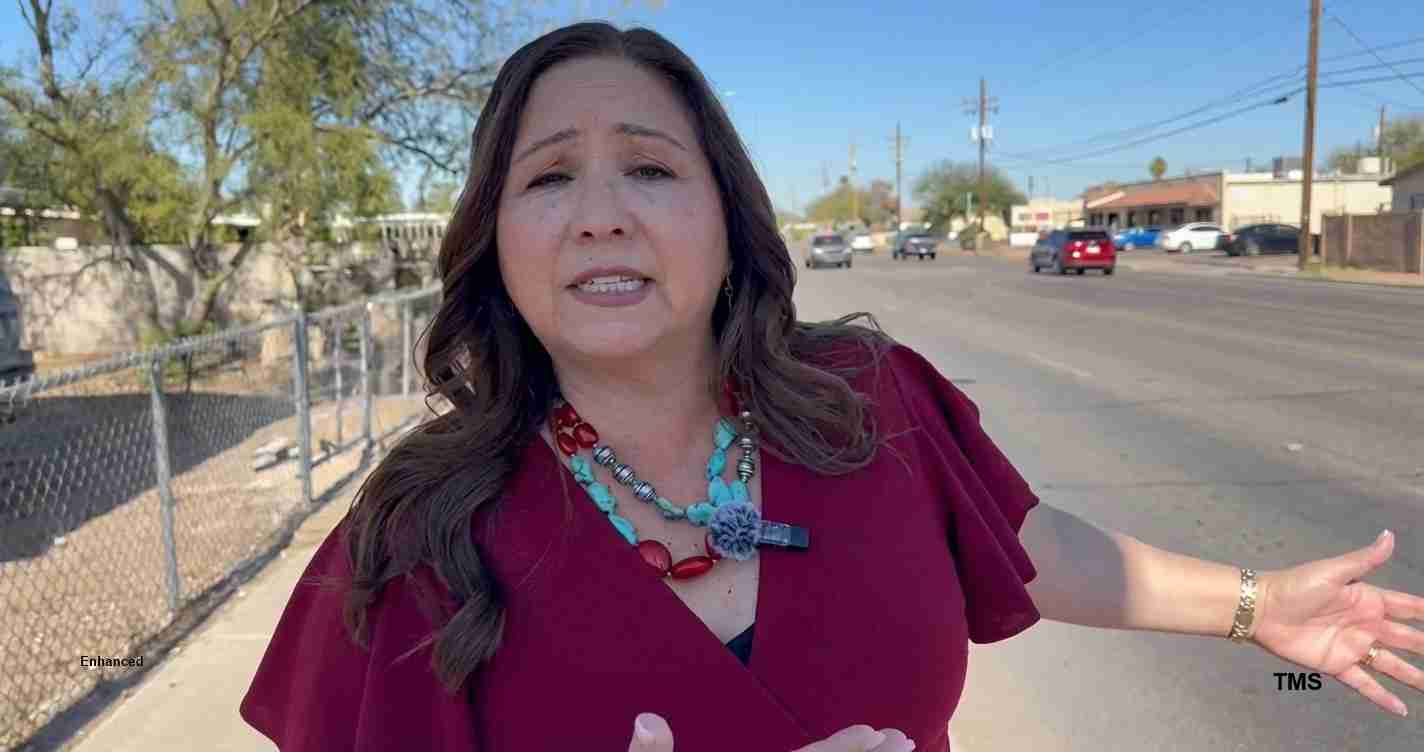
Claims that Rep. “Adelita Grijalva” was pepper sprayed during a Tucson ICE raid are unsubstantiated: no evidence exists of a sitting Representative by that name, and neither major news outlets nor DHS/ICE records corroborate the incident.
Key takeaways
- No sitting Representative named “Adelita Grijalva” appears in the official House member directory.
- No credible news reports from major outlets corroborate that a Grijalva was pepper sprayed during a Tucson ICE operation (checked outlets include Associated Press, Reuters, The New York Times, The Washington Post, CNN and the Arizona Republic).
- No DHS or ICE statements were found on the official DHS news or ICE news pages describing such an incident.
What we found: no credible reporting or official record
We conducted extensive searches of national and Arizona news outlets, government press pages, and official congressional directories. No verified news story, official statement or video from reputable outlets supports the claim that a congresswoman named “Adelita Grijalva” was pushed aside or pepper sprayed during an ICE raid in Tucson.
When incidents involving members of Congress occur, established outlets publish clear, attributable coverage. We found none of that here — only unverified social posts and repeated misnaming that appears to have spread without corroboration.
Official channels checked
- Department of Homeland Security: DHS news
- U.S. Immigration and Customs Enforcement: ICE news
- U.S. House directory: House member directory
Who is Raúl Grijalva — and who is not?
There is no sitting Representative named “Adelita Grijalva.” The likely source of confusion is Rep. Raúl M. Grijalva, D‑Ariz., who represents Arizona’s 7th Congressional District and is often covered in reporting about immigration. His official pages and news archives contain no record of him being pepper sprayed or forcibly pushed during a Tucson ICE operation.
Possible sources of the misinformation
- Name confusion: misnaming or inventing “Adelita” instead of correctly naming Raúl Grijalva.
- Social media amplification: unverified posts and memes shared without primary-source evidence.
- Satire or deliberate fabrication: content created as false or satirical that is later mistaken for factual reporting.
Why this matters: ICE raid misinformation and public trust
False claims like the “Adelita Grijalva pepper spray claim” can erode trust in both media and government, inflame public opinion, and distract from verified incidents of misconduct that require scrutiny. Accurate verification is essential to prevent harm to officials and communities.
How we verified (search methods and sources)
Our methods included:
- Checking the House member directory and Rep. Raúl M. Grijalva official site to confirm members representing Arizona.
- Reviewing official posts on DHS news and ICE news.
- Searching archives and front pages of major outlets — Associated Press, Reuters, The New York Times, The Washington Post, CNN, and the Arizona Republic.
- Consulting fact‑checking and journalism resources such as FactCheck.org and the Poynter Institute for verification practices.
Reporting notes and caveats
A lack of reporting in major outlets does not categorically prove an event did not occur; however, the combination of no official record of an individual named “Adelita Grijalva” and no corroborating coverage makes the claim highly dubious. If verifiable primary evidence emerges, it will be examined and reported.
Implications for the United States
Economic impact
Misinformation rarely causes direct macroeconomic effects, but repeated false claims can indirectly affect local economies through protests, disruptions, or reduced tourism in border communities.
Political consequences
Unverified reports can inflame partisan tensions and pressure officials to respond hastily, potentially legitimizing false narratives.
Social effects
False accounts of violence erode trust among immigrant communities and can deter cooperation with law enforcement or reporting of real abuses.
Cultural relevance
Claims of confrontations between federal agents and public officials intersect with national debates on immigration and governance; quick, accurate vetting preserves public confidence.
Practical applications for residents
- Verify before you share: check DHS news and ICE news and trusted outlets.
- Rely on primary sources: video, official statements and on‑the‑record witnesses are stronger evidence than social posts.
- Contact reporters: if you have verifiable evidence, share it with local newsrooms or law enforcement so it can be investigated.
- Use proper channels: file complaints and request records rather than trusting viral claims.
Reporting standards and next steps
Newsrooms and readers share responsibility for slowing misinformation. Reporters should prioritize verification and attribute claims to named sources; readers should be wary of dramatic social posts that lack clear sourcing. Until verifiable evidence appears, the claim is best described as unsubstantiated and likely the result of misnaming or fabrication.
Sources
- U.S. House of Representatives member directory
- Rep. Raúl M. Grijalva official site
- Department of Homeland Security news
- U.S. Immigration and Customs Enforcement news
- Associated Press
- Reuters
- The New York Times
- The Washington Post
- CNN
- Arizona Republic (azcentral)
- FactCheck.org
- Poynter Institute (misinformation resources)
Bottom line: The “Adelita Grijalva pepper spray” allegation is unsubstantiated. Treat the claim with skepticism until verifiable primary evidence — video, an official agency statement, or an on‑the‑record report — is produced.